Silverfish crossing a bathroom floor at night are a humidity reading rather than a hygiene failure. They need damp, and they eat the starches in wallpaper paste, book bindings and the thin film of mould that grows on both. The same is true of several other small residents of a damp house, each of which thrives in its own band of humidity. Sydenham's large Victorian houses - many divided into flats, most with cellars and plenty of stored possessions - supply the conditions, and the insects generally arrive before anyone notices a stain.
Insects as an instrument
A technician reads the species like a gauge. Silverfish indicate persistently high humidity in a specific room, usually a bathroom or a kitchen. Booklice - tiny, pale, wingless things found on paper, plaster and stored books - are feeding on microscopic mould and cannot survive in dry air. Plaster beetles turn up in newly built or recently flooded fabric while it is still wet. Fungus gnats rising from plant pots point at the pots rather than the walls. None of them is a cleanliness problem, and all of them locate the moisture.
What is actually being eaten
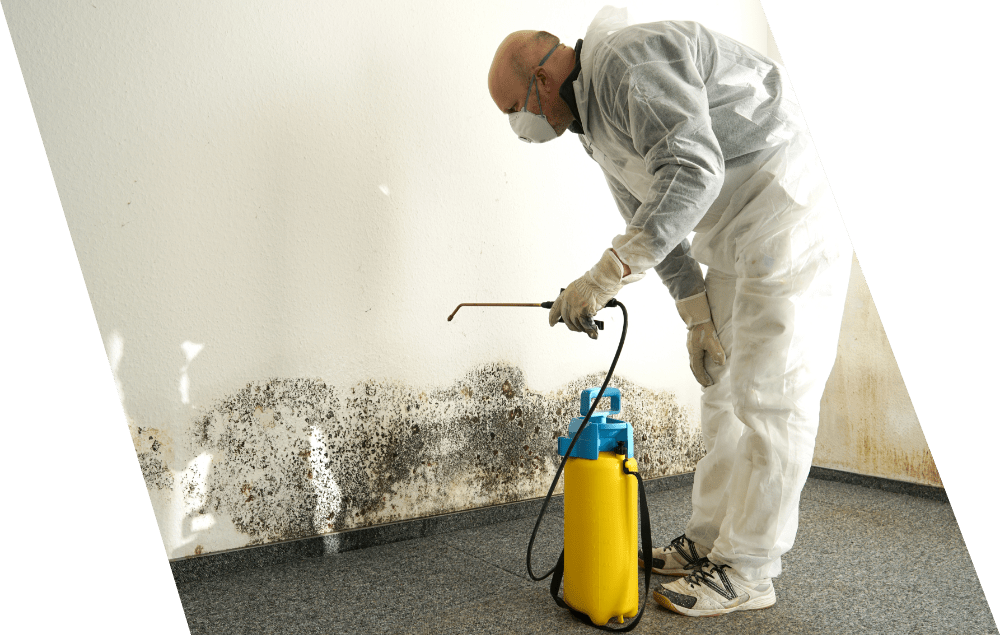
This matters because it explains the sequence. The insects are not eating the wall, they are eating the mould on the wall and the organic sizing in it, which means an insecticide alone removes this generation and not the food supply. Reduce the humidity and treat the growth and the population collapses without further intervention. Treat the insects and leave the growth and they are back the following autumn. That interaction is part of the assessment described on trusted damp and mould treatment.
Wardrobes, stored textiles and clothes moths
Clothes moth larvae feed on wool, silk and other animal fibres, and they do far better in a still, humid wardrobe than a dry one. In these houses that means a wardrobe against a cold external wall, in a bedroom that is rarely heated, holding coats and blankets that have not been moved for a season. Growth on the back of the wardrobe and damage to the garments are usually found together, and both are avoidable by moving the storage to an internal wall and getting air into it.
Dust mites and the bedroom
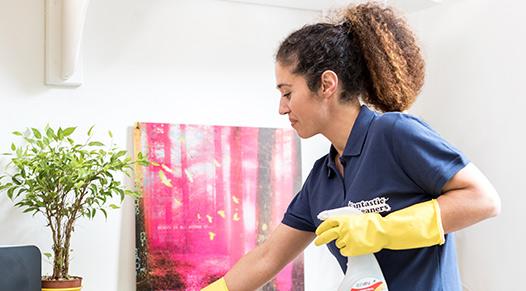
Dust mites need humid air rather than damp surfaces, and they concentrate in mattresses, upholstery and carpets. Households dealing with allergy or asthma often find the mite problem and the mould problem have the same root, because both respond to the same change: less moisture in the air, more ventilation, warmer surfaces. Laundering and deep-cleaning textiles after remediation is what clears the residue, and for Tulse Hill households that work is covered by Fantastic Services.
Two trades, one cause
Where an inspection finds an established insect population as well as growth, the two are treated in parallel: the infestation by pest control services across Sydenham, and the growth and its cause by the remediation team. Cellar hatches, gappy skirtings and the boxed-in voids these houses are full of also need closing up properly, which affordable handyman in Sydenham covers, since an open void is both a humidity reservoir and a harbourage.
What to expect from a visit
Humidity and surface readings are taken room by room, stored items are checked rather than looked past, and the report names the conditions found alongside the growth. Treatment is quoted on the rooms and areas involved, and where both problems exist the two visits are scheduled so the damp work does not undo the pest treatment. West Norwood properties are served through local mould removal across West Norwood. Before the visit it helps to leave stored boxes, books and wardrobe contents where they are rather than tidying them away, since what is living in them is far easier to read undisturbed, and to note which rooms the insects appear in and at what time of day.