Mould Removal Honor Oak
Comprehensive mould removal services for structural surfaces, including walls, ceilings, floors, and timber, with safe and effective treatments.


Comprehensive mould removal services for structural surfaces, including walls, ceilings, floors, and timber, with safe and effective treatments.
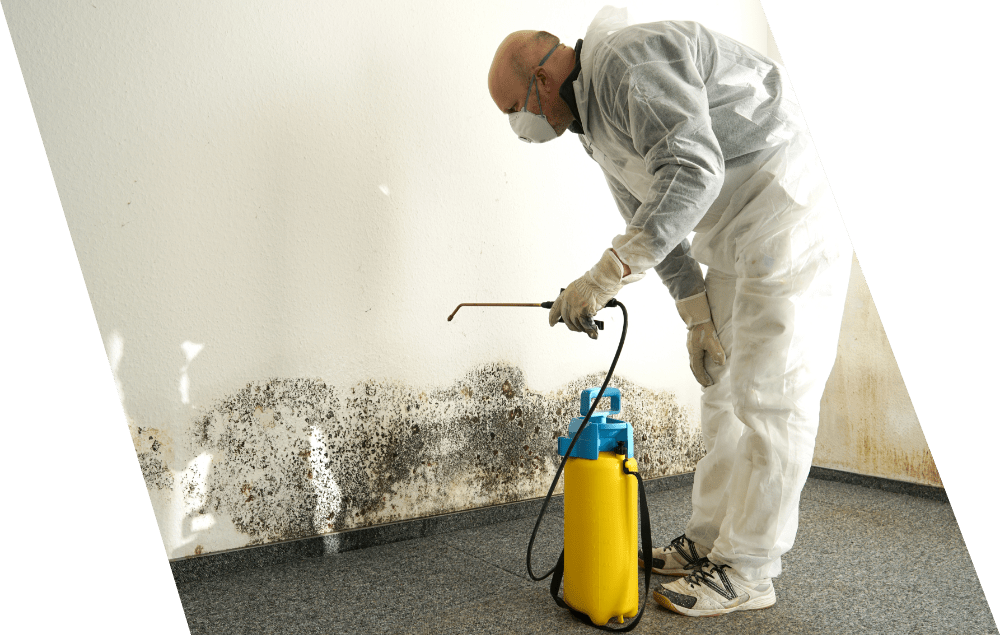
The cost of mould removal depends on the size of the affected area and the type of treatment required. After a detailed inspection a clear, personalised quote is provided based on the scope of work.

Mould removal in Honor Oak is crucial for ensuring a safe environment, involving a complete mould cleaning and remediation process that targets the underlying causes of mould growth. Addressing factors like excess moisture and inadequate ventilation is essential for preventing future infestations. Through professional mould remediation, residents can significantly reduce the risk of health issues associated with mould exposure.
Professionals in Honor Oak use specialised tools to assess humidity, ventilation, and any water damage thoroughly during mould remediation. This systematic evaluation helps in devising a solid mould prevention strategy, which includes the treatment of walls, ceilings, and floors while typically excluding soft furnishings that may reintroduce moisture. The aim is not just to remove visible mould but to maintain a balanced environment, reducing the chances of mould re-emerging in the future.
The mould remediation process in Honor Oak is designed to effectively identify and eliminate mould infestations through a structured approach. It begins with a detailed inspection to understand the scope of the problem followed by the use of HEPA air filtration systems aimed at trapping airborne spores. Integral to our approach is HOCl treatment, a safe means of neutralising mould effectively without harmful side effects, ensuring a clean, healthy environment.
Our advanced ULV fogging technology guarantees consistent distribution of mould treatment products over all surfaces and airspaces allowing for optimal coverage. For removing physical mould, we utilize professional gear equipped with H-Class filtration to capture even the smallest spores. The final phase of mould remediation includes air cleaning processes, improving indoor air quality and providing the long-term protection necessary to inhibit future outbreaks. With expert mould removal in Honor Oak, you’ll experience improved air quality, reduced health risks, and an overall stable environment.

Booking mould cleaning is quick and designed to get results without unnecessary delays.
Share what you’re dealing with, whether it’s visible mould, damp patches, or a recurring problem. This helps determine the right approach, from mould cleaning to full mould remediation.
A specialist checks the affected areas and identifies what’s causing the mould, such as excess moisture, condensation, or poor ventilation. This ensures the issue is treated properly, not just on the surface.
You’ll get a straightforward quote based on the level of contamination and the type of mould removal required. The service is tailored to ensure effective results and long-term protection.
The treatment removes mould and improves indoor air quality, helping to prevent future growth and create a healthier living space. It also targets the root cause of the problem for longer-lasting results.
Mould removal requires more than basic cleaning, which is why it’s handled by trained mould remediation specialists experienced in treating both visible and hidden contamination. Each specialist assesses the full extent of mould growth, including underlying causes such as excess moisture, condensation, and ventilation issues, ensuring the problem is addressed properly rather than just on the surface.
Number of bookings: 205
With Fantastic Services for: 3 years
Other specialities:
Number of bookings: 123
With Fantastic Services for: 2 years
Other specialities:
Number of bookings: 3178
With Fantastic Services for: 4 years
Other specialities:
Alongside professional mould removal and mould cleaning, a range of additional property care services is available to help maintain a healthier indoor environment.
Mould can spread quickly and impact both health and property if not treated in time. Book a service today to remove mould, improve indoor air quality, and restore a cleaner and healthier living environment.

Mould growing on timber and rot growing in timber are two different findings, and mistaking one for the other is expensive in both directions. Surface moulds live on the coating, the dust and the sizing; they mark a window board or a door lining and do no structural harm. Wood-destroying fungi need timber that has stayed genuinely wet for a long period, and they consume the material itself. Honor Oak's Victorian and Edwardian houses climb a shaded hillside where rear elevations dry slowly, so both turn up - often on the same piece of joinery.
Black spotting that wipes off a painted sill, leaving sound timber underneath, is a housekeeping matter and a sign the room is too humid. Timber that has darkened and softened, with cracking across the grain rather than along it, has been colonised by something that breaks down its structure, and no amount of cleaning restores strength. A pale fibrous growth or a strand-like spread across masonry beside the timber is a warning of the more serious kind, and stops the job becoming a wipe-down. The distinction and what follows from it are described on the mould removal and remediation service.
By probing it. A bradawl pushed into sound softwood meets firm resistance within a couple of millimetres; decayed timber takes the point easily and the surface crumbles. A technician works along a sill, a threshold, a stair string and the visible ends of joists, probing at intervals rather than in one spot, and takes moisture readings at the same points. Timber consistently above the low twenties for moisture content, in a place that never dries, is at risk whatever it looks like.
Predictable ones. The outer edge of a window board where paint has failed, the base of a rear door frame sitting on a wet threshold, the bottom of a staircase string built against an external wall, and the ends of floor joists built into solid brickwork. On the shaded rear elevations here, rainwater splash and slow drying keep those points wet for weeks at a time. Anywhere timber is in direct contact with damp masonry with no air gap deserves the probe.
Sound timber with surface growth is cleaned, dried and recoated. Decayed timber is cut back to sound material with a margin, and the cause of the wetting is dealt with before the replacement goes in, because new timber in the same conditions fails in the same way. Damp timber also attracts wood-boring beetles, and the flight holes and frass found alongside decay are a separate treatment; where an inspection turns that up, South Norwood pest control service handles the infestation while the moisture problem is being resolved.
The sequence matters more than the products. Wet timber does not hold a paint film, adhesives do not cure properly against it, and filler applied to a damp sill lifts within months. So the water is stopped, the timber dried and read, then treated and made good. Replacement joinery, sills and thresholds, and the redecoration that follows, are covered by local handyman across Forest Hill, and the dust and debris that comes out of an affected room is worth clearing properly afterwards, which is covered by affordable cleaning services in South Norwood.
Bring the affected joinery into view where possible - curtains back, furniture away from the window, anything stored under the stairs moved out - since probing needs access to the whole length of a member, not the middle of it. The written note distinguishes surface growth from decay, states what was probed and what was not accessible, and separates urgent structural repair from cosmetic work. Pricing follows the extent of timber involved and whether replacement joinery is in scope. Forest Hill properties are served through mould removal throughout Forest Hill.
Skip the line, request and
book a service online