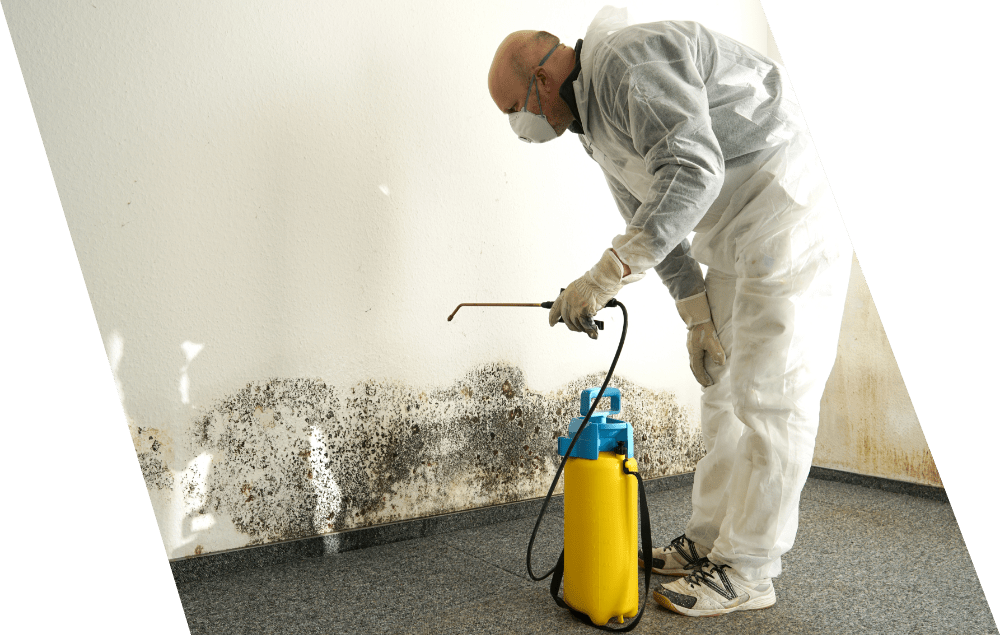
Enquiries about mould in SE19 cluster in the fortnight after the heating first goes on. Nothing appears overnight, of course - what happens is that warm, moisture-laden air meets plaster that has been cooling since September, and a bloom that had been developing quietly in a corner suddenly spreads across a visible face of wall. Crystal Palace sits on some of the highest ground in south London, a few degrees cooler and a good deal windier than the valleys below, and households here tend to hold off putting the heating on for longer. Both facts push the problem into a narrow window each autumn.
Why the timing works out that way
Through the summer, wall surfaces spend most of the day warm enough that moisture never settles on them, and open windows carry away what the household produces. In September the surfaces cool but the windows stay open; in late October the windows shut, drying moves indoors and the heating comes on intermittently. The moisture load rises at exactly the point the fabric is at its coldest, and growth that had been dormant has both water and food available again.
Higher ground, colder surfaces
Elevation matters more than people expect. The top of the hill is consistently cooler than the low ground to the north and east, wind strips heat off exposed walls faster, and rain driven at a wall keeps the masonry wetter for longer, which lowers the internal surface temperature again. A house here reaches the conditions for condensation earlier in the year and holds them later into spring than an identical house two miles downhill.
What is worth recording before it fades
Growth recedes in warm weather and so does the evidence. Photographs of each affected wall with something in frame for scale, dated, plus a note of which rooms are heated and when, are far more useful in June than a memory of it being bad in January. For anyone reporting a repair to a landlord or agent, that record is the difference between a described problem and a documented one.
What can sensibly be done mid-winter
A January visit can treat the growth, remove material that cannot be salvaged, correct ventilation and get a room back into use. What it cannot do is dry a wall quickly or make good externally in useful conditions, so the fabric repairs are identified, priced and scheduled rather than attempted between showers. Temporary measures in the meantime - background heat in unused rooms, furniture off external walls, drying moved out of bedrooms - hold the line without pretending to be the fix. The small repairs that go alongside them, a vent refitted or a perished seal renewed, are covered by handyman specialists in Crystal Palace.
The case for booking it in summer
Warm, dry months are when a wall can be opened up, dried to a target reading, treated and redecorated in one sequence, and when external repairs can be done properly. Availability is easier, rooms can be out of use without anyone being cold, and any insulation or ventilation work has months to settle before it is tested. Remediation carried out in July is rarely tested until the following autumn, which is the right way round. Warm months are also when activity in damp voids is at its most obvious and easiest to clear, which is handled by experienced mice and rat control in Crystal Palace. Stage-by-stage method is described on our national mould removal and remediation service.
Practical arrangements
A survey visit is booked in its own right and produces a written cause-and-works note; treatment is priced by the rooms and areas involved and by whether reinstatement is included, so a summer programme can be split into phases if that suits a budget. Clear the affected walls beforehand where possible, and leave heating patterns as they normally are rather than drying the place out for the appointment. Upper Norwood addresses are served through Upper Norwood mould remediation, and the clean of affected rooms before furniture goes back by domestic cleaning services in Dulwich.