


Mould Removal and Remediation Herne Hill
Comprehensive mould treatment for damp and condensation-prone areas, including full decontamination of structural surfaces and hidden spores.

Comprehensive mould treatment for damp and condensation-prone areas, including full decontamination of structural surfaces and hidden spores.
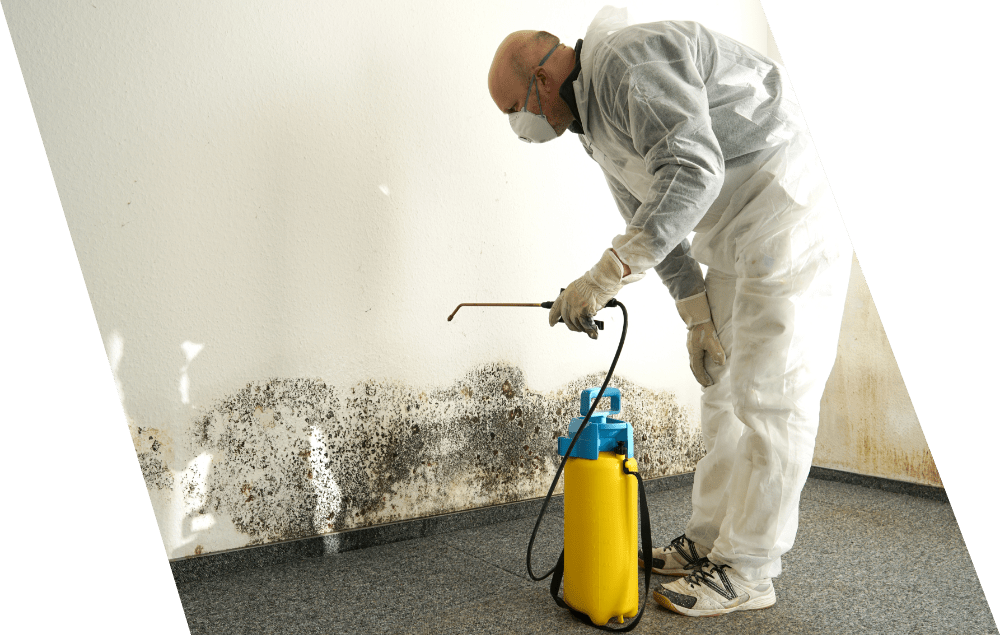
The cost of mould removal depends on the size of the affected area and the type of treatment required. After a detailed inspection a clear, personalised quote is provided based on the scope of work.
| Small mould area (e.g. around a window or corner) | Medium mould area +£100 (large section of a wall affected) | Large mould area +£150 (more than one wall or ceiling) | ||||
|---|---|---|---|---|---|---|
| Room | Standard | Fantastic Club* | Standard | Fantastic Club* | Standard | Fantastic Club* |
| Bedroom | £350 | £320 | £450 | £420 | £500 | £470 |
| Bathroom | £350 | £320 | £450 | £420 | £500 | £470 |
| Kitchen | £350 | £320 | £450 | £420 | £500 | £470 |
| Living / Dining room | £350 | £320 | £450 | £420 | £500 | £470 |
| Hallway / Landing | £350 | £320 | £450 | £420 | £500 | £470 |
| Utility room | £350 | £320 | £450 | £420 | £500 | £470 |
| Paid inspection | £50 | |||||
| *Price for members of the Fantastic Club. The Fantastic Club is a yearly subscription of £89. | ||||||
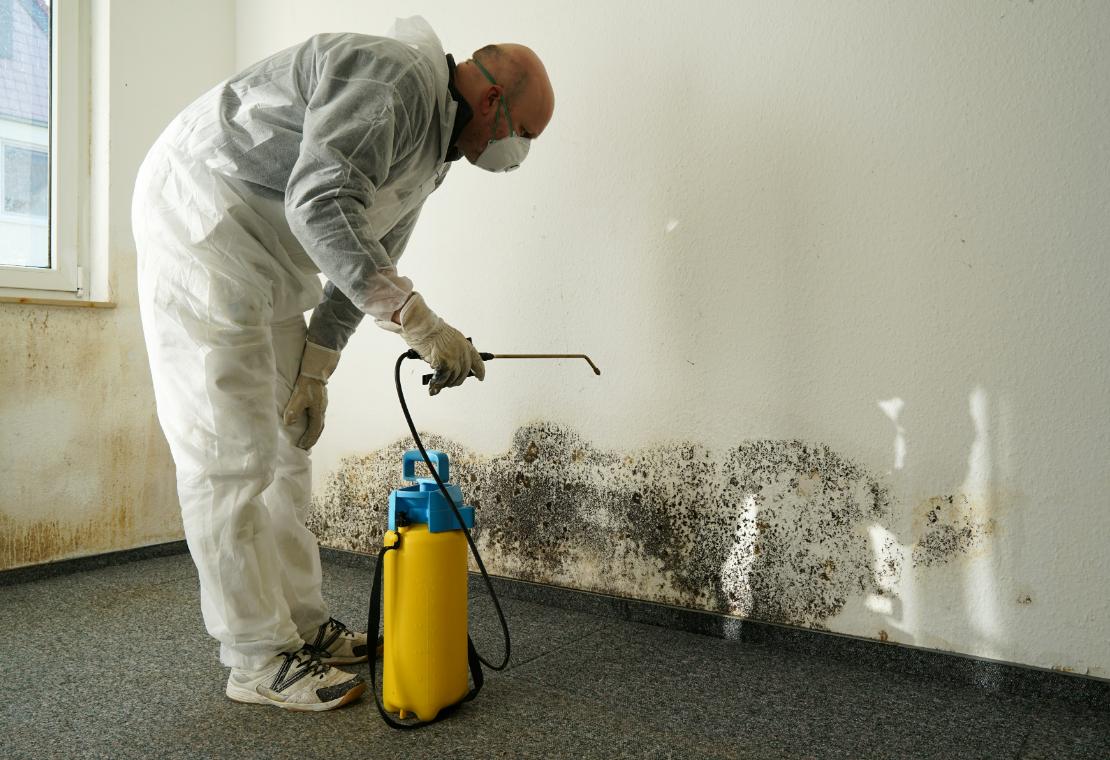
Mould removal in Herne Hill is a critical process that involves not only eliminating visible mould but also understanding and addressing the root causes that lead to its growth. This includes comprehensive mould cleaning Herne Hill and mould remediation Herne Hill, where professionals assess factors like humidity levels, ventilation, and water damage using specialized equipment. Identifying issues such as condensation control and moisture balance is essential for effective mould management in both residential and commercial properties.
In the mould remediation process, experts focus on treating a variety of surfaces—walls, ceilings, and floors—while ensuring that soft furnishings are excluded from the treatment where necessary. The goal of mould remediation in Herne Hill is not solely to eradicate existing mould but to prevent future outbreaks by resolving underlying moisture sources. By prioritizing durable solutions, service providers can help protect your space from recurrent mould growth, fostering a healthier environment free from the dangers associated with mould exposure.
Mould remediation in Herne Hill involves a structured process to effectively eliminate mould and ensure a safe environment. The first step is a thorough inspection, identifying areas of contamination. Following this, HEPA air filtration is employed to capture airborne spores, significantly reducing the risk of spread. The controlled treatment phase utilizes specialized methods, including the application of HOCl (hypochlorous acid), a powerful yet safe solution for neutralizing mould at its source. This biocompatible treatment is effective in breaking down mould spores, ensuring thorough decontamination without harmful chemicals.
To ensure comprehensive coverage, we utilize ULV (Ultra-Low Volume) fogging technology, which evenly distributes the treatment across all surfaces and airspaces, reaching even the most inaccessible areas. Physical mould removal is conducted using specialized equipment equipped with H-Class filtration, ensuring that any disturbed mould is contained and safely removed. The final step of our mould removal process in Herne Hill includes significant air cleaning to improve indoor air quality and protect against future mould regrowth. This structured approach not only enhances the environment's stability but also promotes long-term protection and better air quality, ensuring peace of mind for our clients.
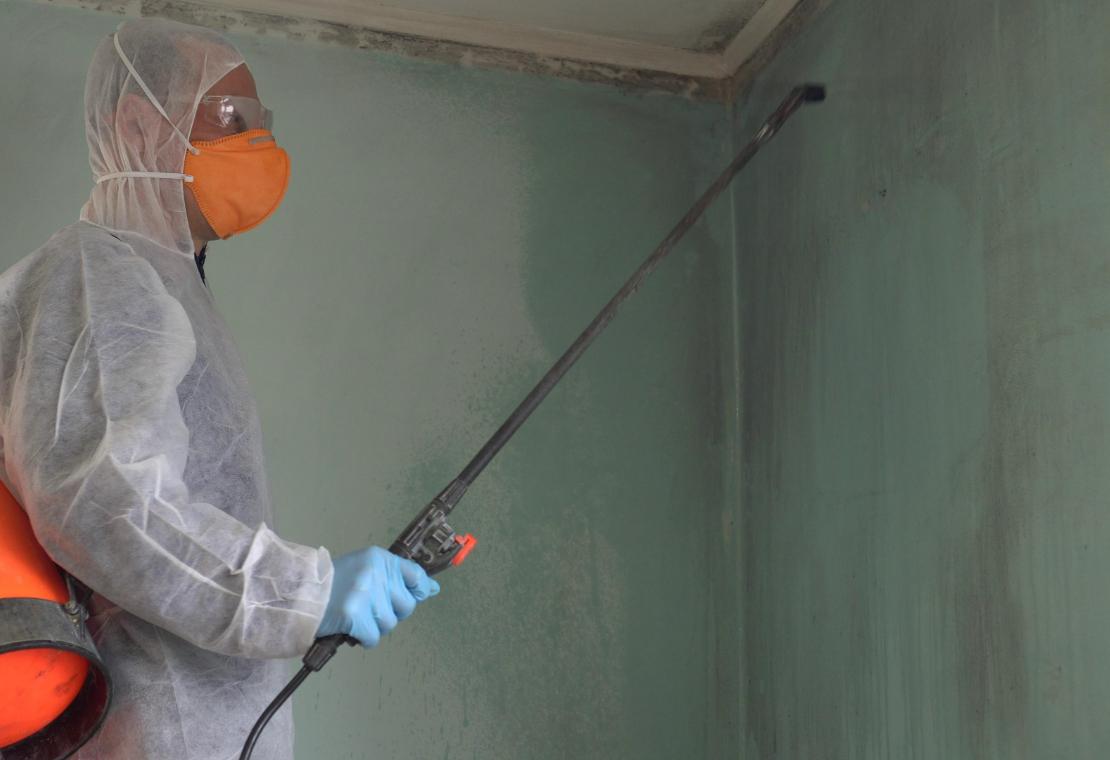
Booking mould cleaning is quick and designed to get results without unnecessary delays.
Share what you’re dealing with, whether it’s visible mould, damp patches, or a recurring problem. This helps determine the right approach, from mould cleaning to full mould remediation.
A specialist checks the affected areas and identifies what’s causing the mould, such as excess moisture, condensation, or poor ventilation. This ensures the issue is treated properly, not just on the surface.
You’ll get a straightforward quote based on the level of contamination and the type of mould removal required. The service is tailored to ensure effective results and long-term protection.
The treatment removes mould and improves indoor air quality, helping to prevent future growth and create a healthier living space. It also targets the root cause of the problem for longer-lasting results.
Mould removal requires more than basic cleaning, which is why it’s handled by trained mould remediation specialists experienced in treating both visible and hidden contamination. Each specialist assesses the full extent of mould growth, including underlying causes such as excess moisture, condensation, and ventilation issues, ensuring the problem is addressed properly rather than just on the surface.
Number of bookings: 214
With Fantastic Services for: 3 years
Other specialities:
Number of bookings: 213
With Fantastic Services for: 2 years
Other specialities:
Number of bookings: 8301
With Fantastic Services for: 6 years
Other specialities:
What the reviews say
"Quick and effective rodent control service. Their timely response and efficient methods resolved the problem with expertise."
Alongside professional mould removal and mould cleaning, a range of additional property care services is available to help maintain a healthier indoor environment.




















Mould can spread quickly and impact both health and property if not treated in time. Book a service today to remove mould, improve indoor air quality, and restore a cleaner and healthier living environment.
Standing water in a room for a single day creates a problem that lasts months. Absorbent materials take up water quickly and release it slowly, so the visible flood is over long before the building is anywhere near dry, and growth begins in that interval. Parts of Herne Hill sit on low ground where a watercourse was culverted long ago and surface water still collects during heavy summer storms, and the flats and lower-ground rooms there see both kinds of event: water arriving from outside, and water escaping from pipework inside.
Growth needs moisture, a temperature it likes and something to feed on, and a soaked building supplies all three within a couple of days. That is why the order of work is fixed: standing water out, saturated absorbent materials out, then drying, then treatment, then reinstatement. Reversing any two of those steps guarantees a second visit. Where a household has cleaned and closed the room to dry on its own, growth is usually established behind the skirting before anyone looks again. The full sequence is described on fully insured condensation treatment.
Water from a burst supply pipe is treated as clean, and more can be salvaged. Water that has come up through a drain or across a road carries contamination, and porous items it has touched - underlay, chipboard, mattresses, upholstered furniture bases - are not recoverable by drying. That decision has to be made early, because an item kept on optimistic grounds becomes the source that recontaminates a room somebody has already paid to treat. A drain that has surcharged brings insects and rodents up with it too, and that is dealt with by our nearby specialists.
Drying equipment brings moisture content down. It does not remove a colony that established itself during the wet period, and it will not reach growth on the back of a plasterboard sheet or under a floor. A dried property with untreated growth smells musty in the first warm week and blooms again the following winter. Treatment is a separate operation with its own method, and it belongs after the structure is dry, not instead of drying it.
Water wicks upwards through plaster, plasterboard and insulation well above the level it reached, and the tide mark on the paint is not the extent of the problem. Readings are taken in a grid up the wall to find where the moisture actually stops, and plasterboard is cut back above that point rather than to the stain. Insulation in a stud wall holds water far longer than the board that covers it, so a wall that reads dry on the surface can be soaking inside.
Hard items wash and dry. Textiles, curtains, rugs and bedding need proper laundering rather than airing, and anything with a paper, cardboard or untreated board component that stood in water is usually a write-off. Contents are triaged room by room and logged, which matters if a claim is being made, and boxed items are opened rather than assumed dry. Laundering and the deep clean of affected rooms afterwards, for households on the Forest Hill side, are covered by experienced house cleaning in Forest Hill.
Skirtings, door linings, kitchen cupboard bases and thresholds usually need replacing after a flood, and that joinery work is covered by the Herne Hill branch. A first visit establishes what is wet and how deep, what must come out and what drying plant is needed; pricing reflects the plant, its duration and the area of material removed, with treatment quoted separately from reinstatement. Sydenham addresses are covered through mould removal services across Sydenham. Where a claim is involved, having the readings and the removed material recorded from the first visit onwards is what establishes the extent later, when the room looks perfectly normal again.
Skip the line, request and
book a service online

