Some houses in DA1 smell damp before anything is visible. A cold, earthy note in the hall first thing in the morning, strongest at floor level and near the skirtings, usually means the trouble is under the floorboards rather than on the walls. Crayford sits low on river gravels and chalk with a water table nearer the surface than in the districts uphill, and a good part of its Victorian and interwar stock has suspended timber ground floors over an open void.
What a sub-floor void needs
Those floors were built to be ventilated. Airbricks on opposite or adjacent external walls let air cross the void continuously, carrying away moisture evaporating from the bare earth or weak oversite concrete beneath. Take that airflow away and the void becomes a saturated, still box directly beneath the living space, with joist ends built into damp masonry and vapour rising through every board gap into the rooms above.
Everything that blocks an airbrick
Almost always, the ventilation has been lost by accident. Patios and paths laid at or above airbrick level, a new driveway poured across the front, render or paint taken down over the bricks, soil and planting banked up against the wall, decking built over the whole rear elevation, or an extension thrown across the back without ducting the original airbricks through it. Sometimes the grilles are simply solid with cobwebs and leaf litter. Counting the working airbricks against the floor area they are meant to serve is one of the first things worth doing.
Laminate, vinyl and trapped boards
A second common trigger is a modern floor finish over old boards. Sheet vinyl, resin-backed underlay or a tightly fitted laminate creates a barrier on the warm side of a floor that was designed to breathe upwards. Moisture that used to pass harmlessly into the room now condenses on the underside of the boards, and mould develops on the board backs and joist tops while the room above looks perfectly dry until the smell gives it away.
What an inspection actually involves
A board is lifted, normally in a corner or a cupboard, and the void examined with a light and a mirror or an inspection camera. The surveyor looks at the oversite, standing water, debris and old builders' rubble bridging from the wall to the joists, the condition of joist ends and wall plates, and whether any airbrick can be seen to daylight from the inside. Moisture content is taken in the joists rather than just the plaster, because the numbers in the timber tell you whether this is a ventilation problem or an active leak from a service run in the void.
Drying, treating and preventing the return
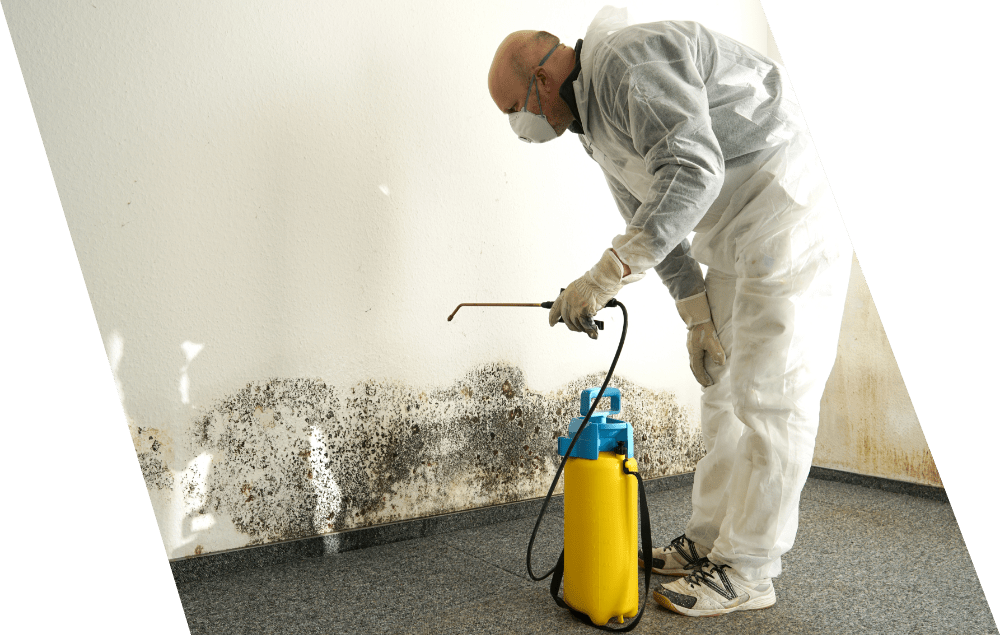
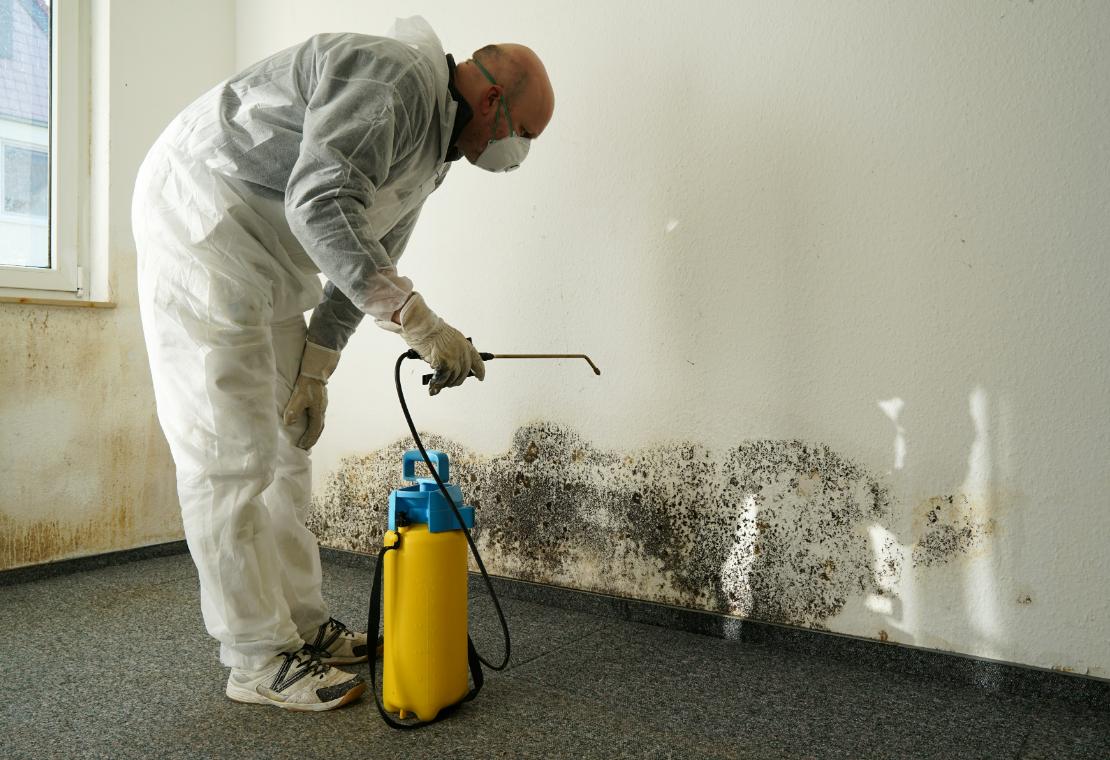
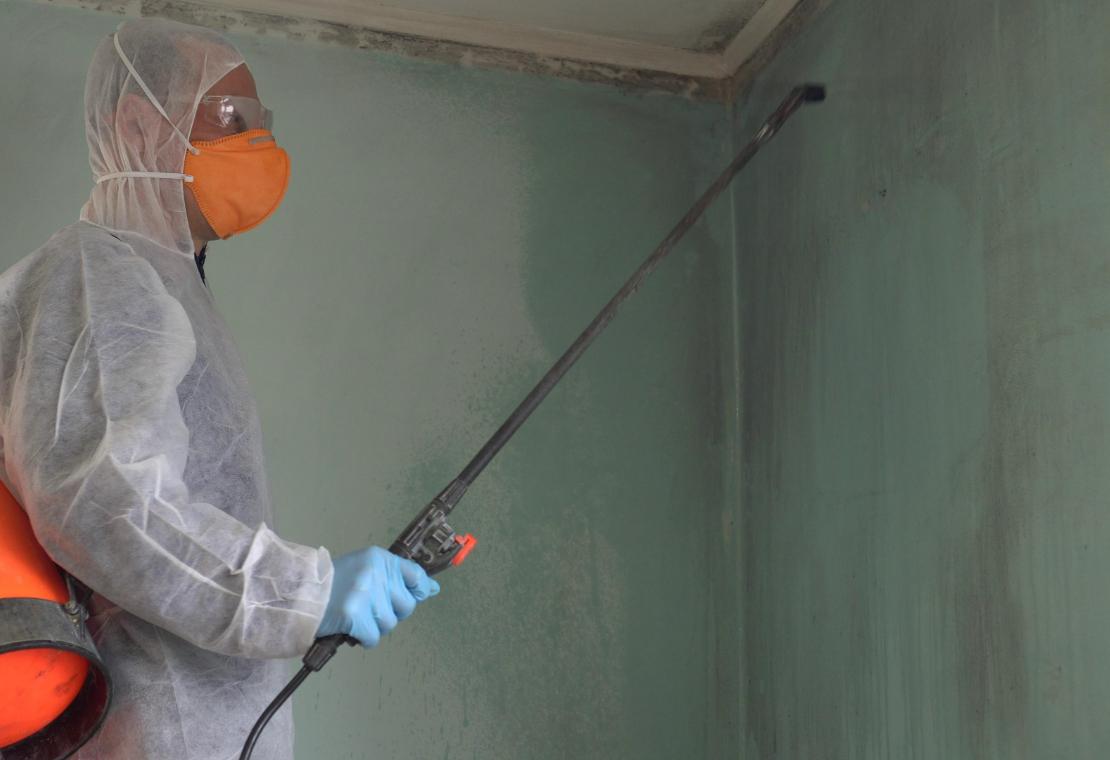
Remediation runs in order: remove debris and any standing water, restore cross-ventilation by clearing or adding airbricks and ducting them through later additions, dry the void with air movement, then treat affected timber and masonry surfaces. Where softening or fruiting bodies are found, that is timber decay rather than surface mould and needs a different specification. Sealing a floor void with a membrane and calling it done simply relocates the moisture into the wall bases.
Work around the outside and next door
Most of the durable fix is external and small: airbricks cut in or replaced, telescopic vents run through an extension, a flowerbed dug back below damp-proof course level, a gully cleared, decking cut away from a wall. our handyman in Crayford covers that, and it is the work that lets the internal treatment hold. Open damp voids are also the main way rats and mice get beneath a house, often through a defective drain connection in the same void, so affordable pest control in Crayford is worth running alongside where evidence is found. Comparable riverside-terrace stock nearby comes under experienced damp and mould treatment in Bexleyheath, thorough post-works cleaning under trusted professional cleaners in Bexleyheath, and the general approach is on the condensation treatment page.
Getting ready for the visit
Clearing one accessible corner of floor, ideally in a cupboard or under a stair, is the single most useful preparation, and knowing where the external ground level sits relative to the internal floor helps a great deal. Charges follow the floor area involved, whether boards have to be lifted and relaid, and whether external ventilation work forms part of the job; drying time is quoted as a period rather than a single visit because a void cannot be rushed.