Insulating a house on the outside is the most complete way of dealing with a cold wall, and around Chadwell Heath it has been done to a good many of the solid-walled and narrow-cavity houses built between the wars and just after. When the detailing is right, a wall that grew mould every winter simply stops. When it is not, the growth does not disappear; it retreats into the few places the system did not reach, and it becomes much harder to diagnose because the obvious cause has apparently been dealt with.
What the system does to a cold wall
Boards are fixed to the outer face of the masonry, reinforced with a mesh and base coat and given a weather-resisting finish. The masonry now sits on the warm side of the insulation, so it holds heat, and the internal plaster face runs far closer to room temperature. Surface condensation stops because the cold surface has gone. That is the whole mechanism, and it is genuinely effective, which is why the failures are worth understanding rather than treating as an argument against the approach.
The details that get left out
Window and door reveals are the usual weak point: they are narrow, fiddly and sometimes left bare or given a thinner board, so a cold frame remains in an otherwise warm wall and collects growth in a neat outline around the opening. Other common gaps are the return at a party boundary, the junction where the system stops at a bay, the strip below the damp-proof course, and the head of the wall where the eaves were not extended. Each leaves a cold line, and mould draws it.
Ventilation that was never upgraded
An insulated and better-sealed house loses less air by accident. If the extract in the kitchen and bathroom was weak before, it is now the only route out for everything the household produces. Plenty of houses come through the work with drier, warmer walls and a humidity problem they did not have, showing first on window frames and in a wardrobe on an internal wall. Any assessment after this kind of work has to look at ventilation and fabric together rather than choosing between them.
Water that was already in the wall
Insulation applied over a wall that was wet from a defect changes how that wall dries. A blocked gully discharging at the base, a defective sill, a cracked joint at a rainwater fitting: whatever was letting water in is now behind a layer that slows evaporation considerably. The internal symptom can take a season or two to appear and looks nothing like the original problem. Establishing whether a defect predates the work is one of the first questions on a survey of an insulated house.
Diagnosis and the work that follows
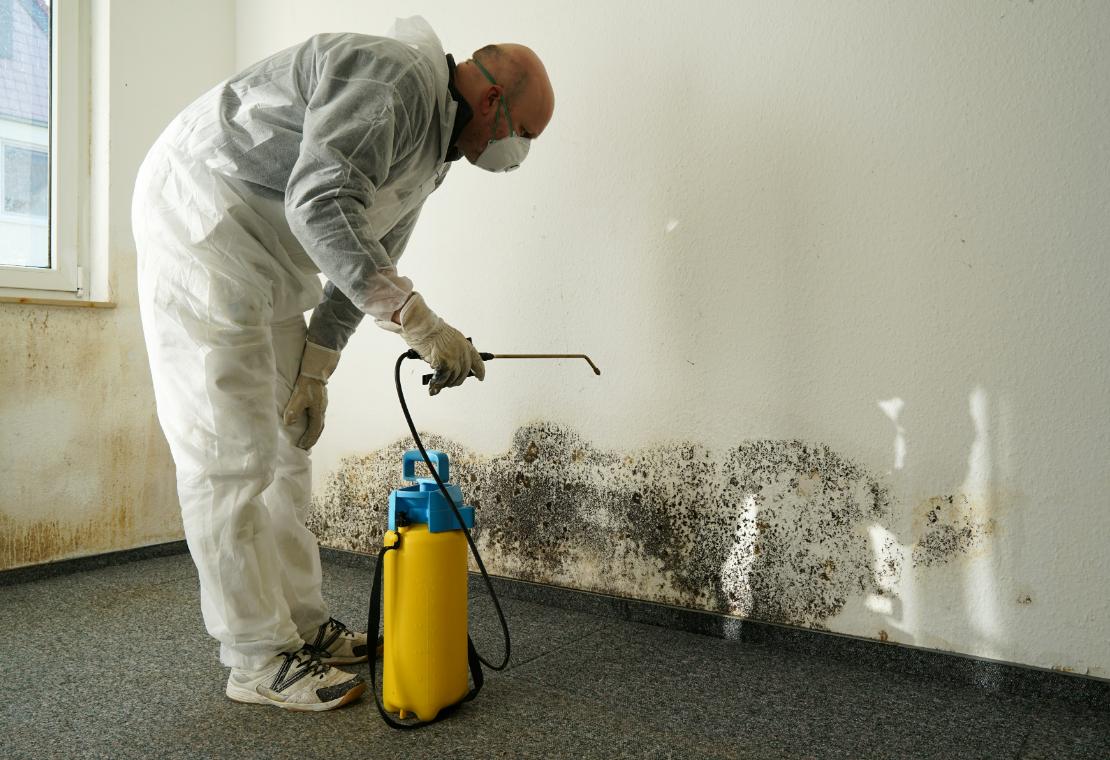
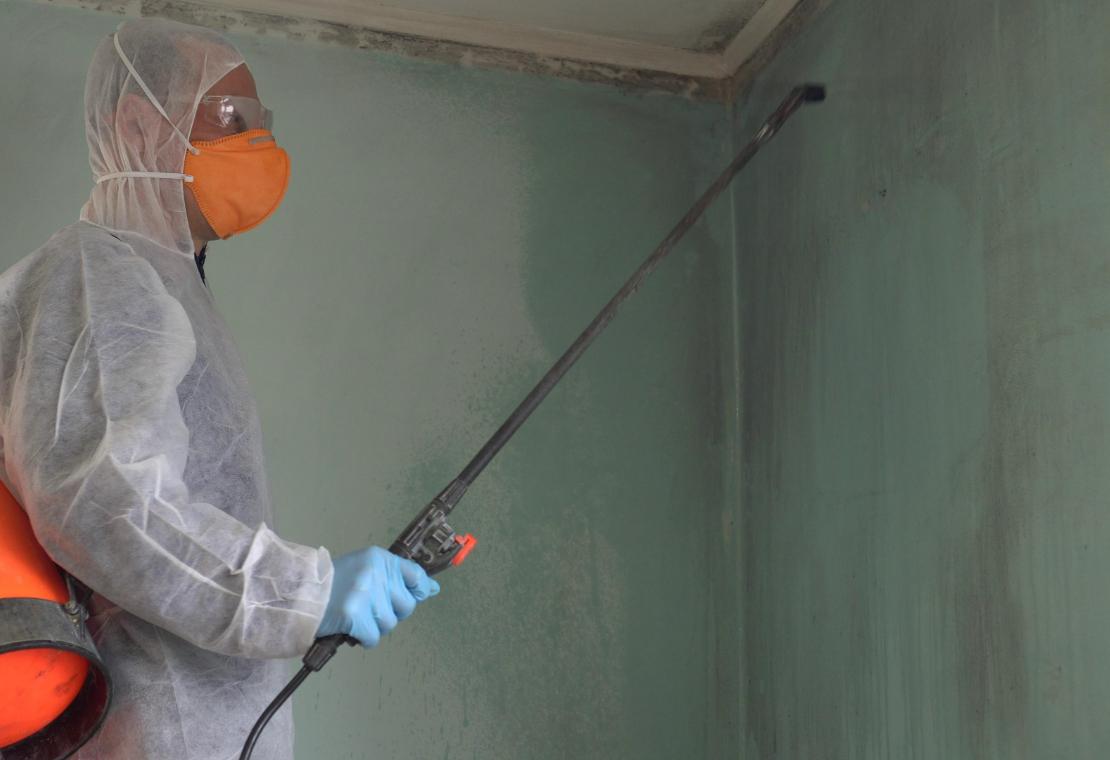
A technician compares surface temperatures at the reveal, mid-wall and at the floor junction, records humidity in the worst room, and looks at the elevation outside for stopped edges and untreated returns. Internal remediation removes and treats the growth and cuts out plaster that has broken down, but the report will normally identify the external detail that needs correcting, since the two have to be done together. Comparable assessments nearby are covered by mould removal team in Collier Row.
What a booking involves
Appointments cover the affected rooms and a walk round the elevations, and take longer on a house where records of the insulation work are unavailable. Pricing is by the area treated and the finishes removed, quoted after the inspection rather than over the phone. Reinstating skirtings, window boards and a door that no longer closes cleanly is handled by our local team. Voids behind an external system occasionally house insects or rodents, which is dealt with by trusted flea treatment in Chadwell Heath, and a full clean once plastering is finished is covered by the cleaning services team in Collier Row. The overall method is set out under how it works.