Getting equipment to the front door can be the longest part of a working day in SE10. The older terraces sit inside a conservation area on narrow streets with permit-only bays, visitor pressure through much of the year and, in the town's core, restrictions that make stopping outside a house genuinely difficult. A cleaning round here is planned around loading and parking as deliberately as it is around the properties themselves.
Planning arrival and loading
Cleaners working a regular round carry a caddy, cloths, a mop and sometimes a vacuum, and where the household has no machine that load has to come from a vehicle. Visitor permits, a scratch card left ready, or simply agreeing a slot outside the busiest hours all make the difference between a visit that starts on time and one that loses twenty minutes to circling. Households that provide a decent vacuum on site remove the problem altogether and get more cleaning for the same hour.
Internal shutters and panelled reveals
Many of the older houses retain folding shutters in the window reveals, and the panels, hinges and the box they fold into collect dust in a way nothing else in the room does. Opening them fully, brushing out the box and wiping the panels dry, then the glass afterwards, is the order that works. Painted historic joinery is cleaned with a barely damp cloth and dried; soaking it swells old timber and lifts brittle paint layers at the joints.
Stair halls in a tall narrow house
A four-storey terrace is mostly staircase, and that stairwell carries all the dust generated by the rooms opening onto it. Handrails, balusters and the string are dusted on a rotation rather than every visit, while the treads and the hall floor are weekly because they take the traffic. Working downwards is the only sensible direction, and equipment is kept off the treads while the cleaner is moving, since a dark half-landing and a trailing hose are a poor combination.
River air and metal fittings
Humidity near the water stays high, and that combination of damp air and coal-era brickwork is hard on ironmongery. Brass handles, letterplates and finger plates tarnish quickly, and any polish used on them must be kept off the surrounding paint. Unlacquered brass is polished occasionally and wiped dry often; lacquered brass is only ever wiped, because polish strips the coating and leaves a patchy finish that cannot be reversed.
Damp, drying and floor coverings
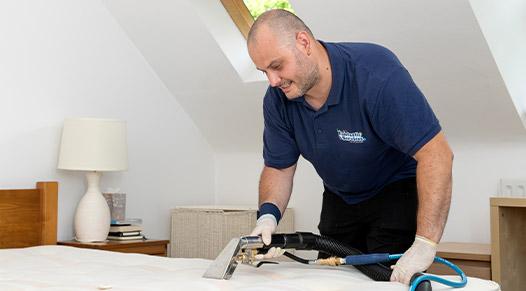
High ambient humidity slows drying everywhere, which matters when a floor is washed or a rug treated in winter. Wet cleaning is done with the minimum water that will do the job, and ventilation planned so that rooms are dry before dusk. Fitted carpet and large rugs hold that moisture along with the soil they carry, and periodic hot water extraction of the kind covered by the team covering Greenwich is best timed for a drier stretch of the year.
Where a weekly visit stops
Sash window exteriors, the oven, a full descale and any work needing access equipment sit outside a routine slot and are booked separately through cleaning services across Greenwich. Terraces of this age also have gaps around service pipes, cellar hatches and old air bricks that let mice in, and where that has happened the treatment side is experienced pest control in Lambeth, with the cleaning simply removing what sustains them.
What is agreed at the start
The first visit sets the route through the house, the rotation for the staircase and the shutters, and anything that must not be wetted. Charging follows the hours and the size of the property rather than a per-room rate, and a tall narrow house needs more time than its floor area suggests because of the stairs. Access, parking and whether a vacuum is available on site are worth settling at booking. The same weekly arrangement runs across the river bend under vetted domestic cleaning in Kennington, and general inclusions are described on our national domestic cleaning service.