Water arrives in a Gloucester garden from more than one direction, and a design that only plans for rainfall will disappoint. The city sits low in the Severn Vale on deep alluvium and Lias clay, with a high winter water table, surface run-off from higher ground to the east, and a river system that backs up drainage when it is in flood. Landscaping here is largely a question of where water goes.
Reading the plot before drawing anything
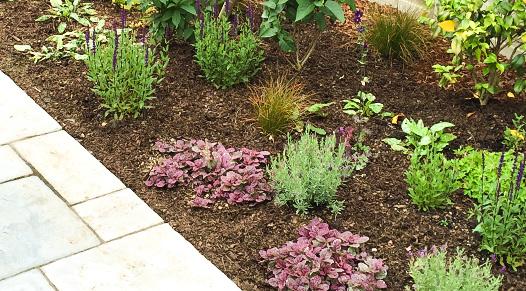
The useful first exercise costs nothing: watch the garden during heavy rain and note where it stands, how long it takes to clear, and which way the ground actually falls. A simple percolation test follows - a hole dug to spade depth, filled, and timed. On Vale clay it will often still hold water hours later, which rules out a conventional soakaway and points the scheme towards attenuation instead: shallow swales, a rain garden planted with species that tolerate periodic inundation, and raised beds that lift root zones clear of the wet.
Permeable surfacing and the rules around it
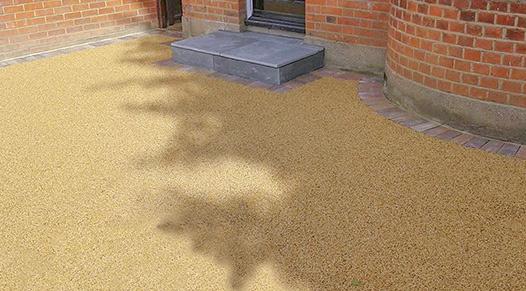
Front gardens converted to hard standing above a certain area need either a permeable surface or a drainage route that keeps water on the plot, rather than a pipe to the street. On clay, permeable block paving works only if the sub-base is designed as a reservoir with an outlet, since the ground beneath will not take the volume on its own. Resin-bound gravel over an open-graded base performs well; poured concrete with a fall to the pavement is exactly what the rules were written to stop. Specifications differ on free-draining ground, which is why comparable schemes under what the service covers are built to a different detail.
Clay, and what it does to a build
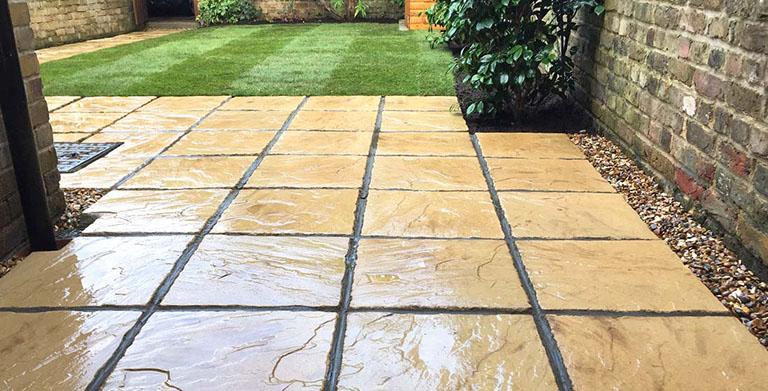
Lias clay shrinks as it dries and swells as it wets, and anything founded shallow rides that movement. Patio slabs laid on spot blobs of mortar rock within a couple of years; a pergola on short posts leans; a retaining wall without drainage behind it takes the full hydrostatic push of saturated ground. The remedy is unglamorous and it is most of the cost - proper excavation, a compacted granular sub-base of adequate depth, mortar bedding across the full slab, and drainage designed before the structure rather than after it. Shallow soil over limestone gives the opposite problem entirely, which is why footings behind experienced turfing in Woodstock are cut into rock rather than bedded against movement.
Lawns on ground that stays wet
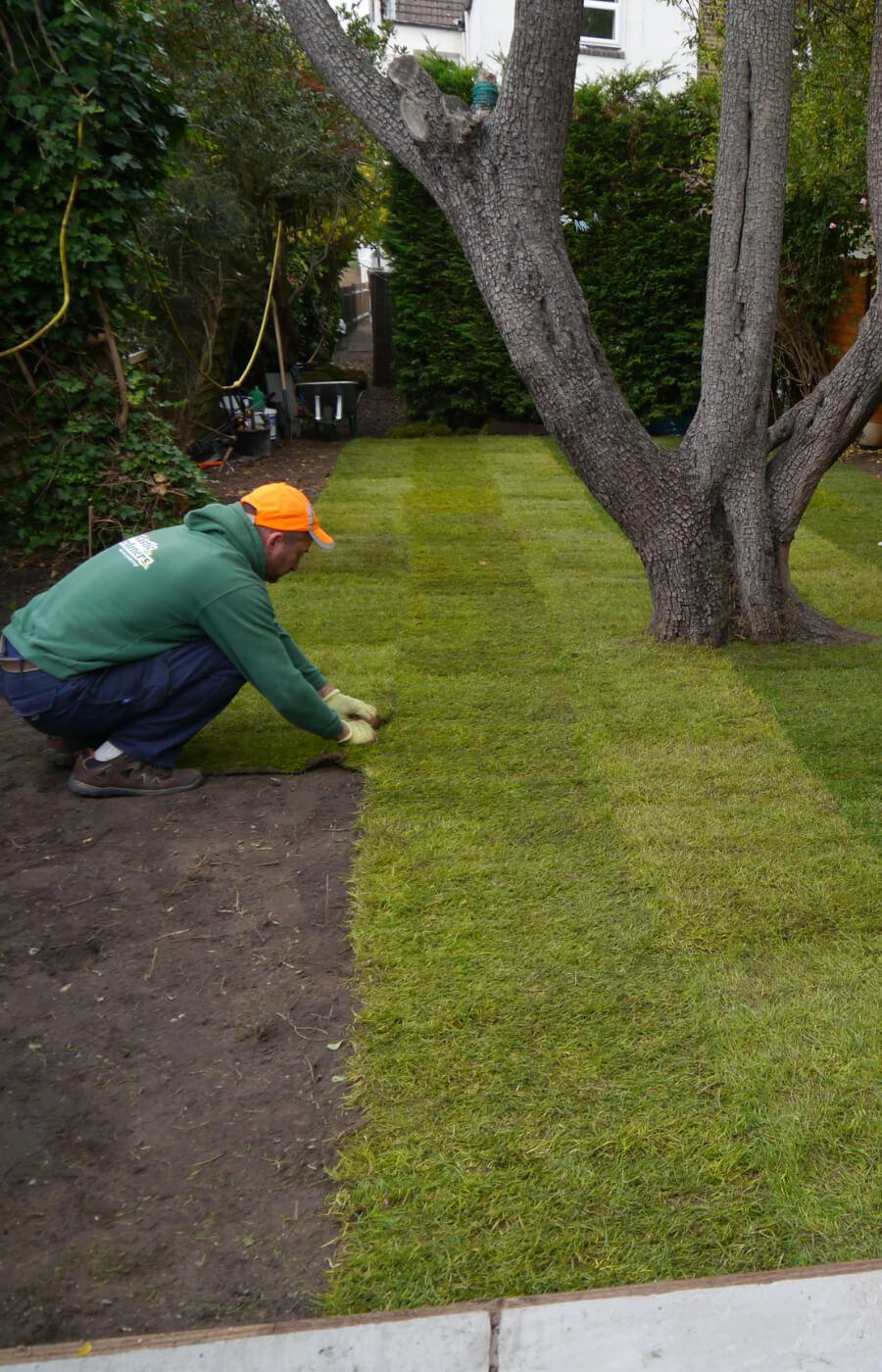
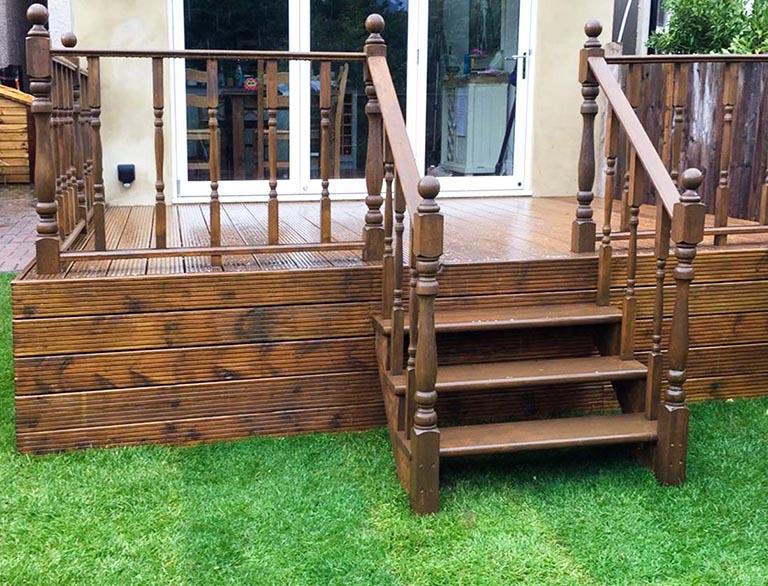
Turf laid straight onto wheeled-over builder's clay produces a lawn that is moss in winter and cracked in August. Decompaction first, then a sand-dominant topsoil or a generous compost incorporation, then land drains if the fall allows, gives a surface that can be walked on in February. Where nothing will drain, the honest answer is to stop fighting it: a bog border, a stand of dogwood and willow, or a deck at a level above the water solves the problem rather than postponing it.
Mixed housing, mixed access
Gloucester's stock ranges from tight Victorian terraces near the docks with no vehicle access at all, through interwar semis with long back gardens, to modern estates where the rear boundary backs onto a service lane. That determines plant and material handling more than any other single factor. Where a digger cannot reach, the dig is done by hand and the spoil goes out in bags, and the quote reflects it. Waste leaves under a carrier's duty of care with paperwork on request. Building work throws fine dust through a house whatever precautions are taken, and flexible cleaning services in Gloucester covers the interior once the garden is done.
Booking, phasing and aftercare
A visit establishes levels, soil, drainage and access; a design and itemised quote follow, priced by the work involved rather than by a flat rate, so hard landscaping, structures and planting can be staged across seasons if that suits the budget. Autumn and early winter suit bare-root planting and hedge establishment; groundworks are easier in a dry spell. Cement dust settles on every pane within reach of a mixer, and window cleaning specialists in Gloucester clears the glass and frames once the scaffolding has gone. Scheme types, materials and design stages are set out under our nationwide service.