Shared houses fail at the kitchen bin and the bathroom floor, never at the bedrooms. Gloucester has a large stock of Victorian and Edwardian terraces around the city centre converted into shared occupation, and in those properties the awkward question is not how to clean but whose job it is. A recurring booking works there mainly because it removes the argument: the communal parts are dealt with on a known day by somebody with no stake in whose turn it was.
Communal areas set the standard for everything
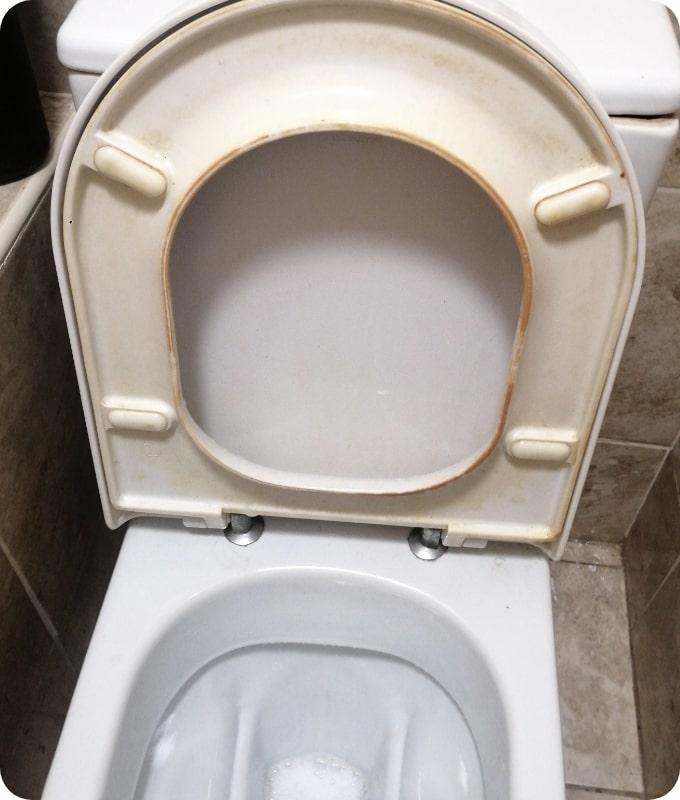
In a house of five occupants the kitchen runs at something close to commercial intensity while being fitted out domestically. Worktop joints, the sealant behind the sink, the underside of the hob surround and the floor edge behind the fridge take the load, and each one is a place where a quick wipe achieves nothing because the soil is in a seam rather than on a surface. Hallways and stairs carry every set of shoes in the building. Bathrooms are used at three times the rate the extractor fan was ever specified for.
A written scope prevents most disputes
The one thing that must be agreed before a recurring visit starts in a shared property is the boundary. Kitchen, bathrooms, hall, stairs and landing are in; bedrooms are usually out unless individually arranged; personal washing up is not the cleaner's work and cannot be, because moving somebody's dishes into a cupboard is the fastest route to a complaint. Setting that down in a sentence at the beginning saves the tenant who books it from fielding the fallout later.
Bins, recycling and the back yard
Terraces here mostly have a rear yard reached through the house or an alley, so bin day involves carrying containers through a hallway. Overfilled bins, food waste caddies that have never been rinsed and recycling stacked in the kitchen produce most of the odour complaints in shared houses, and they are also the reason drain flies appear. Emptying, relining and rinsing containers is a small task with a disproportionate effect. What goes in which bin is set by the local collection scheme rather than by preference, and in a house where nobody is quite sure, a printed note on the cupboard door does more than any amount of reminding. Alley gates and shared passageways also mean bins have to come back in, which is the step most often forgotten.
The landlord side of the arrangement
Where the property is managed, the communal clean is frequently paid for by the landlord as part of the tenancy and included in the rent. That changes the practicalities: access is usually by key safe or a managing agent's key, the schedule is fixed for the year, and a report on condition matters more than it would in a private home, since damage noticed in week three is far cheaper than damage found at the end of a tenancy.
What accumulates despite a weekly visit
Two things defeat routine attention in a busy shared kitchen. The first is baked-on carbon inside the oven and on the grill pan, which needs dip-tank treatment rather than scrubbing, and that is the work described at the oven cleaning team in Gloucester. The second is the compacted traffic lane in the hall and stair carpet, which needs extraction rather than suction, covered by Gloucester carpet cleaning service. Both are usually arranged once between tenancies rather than during one, when the house is at its emptiest.
How the booking is priced and handled
Recurring visits are charged by time rather than by the number of occupants, and a five-bedroom terrace with two bathrooms simply needs a longer slot than a three-bedroom one. Fixed days work better than flexible ones in shared houses because occupants can clear surfaces in advance. Households further east, across the county boundary, are served through professional cleaners in Wantage. The broader listing of domestic work is at cleaning services UK.