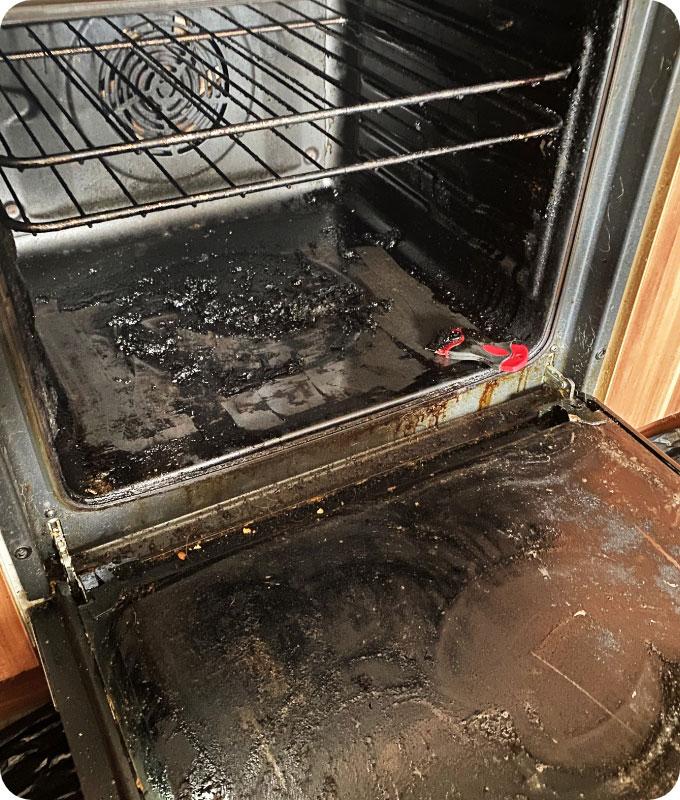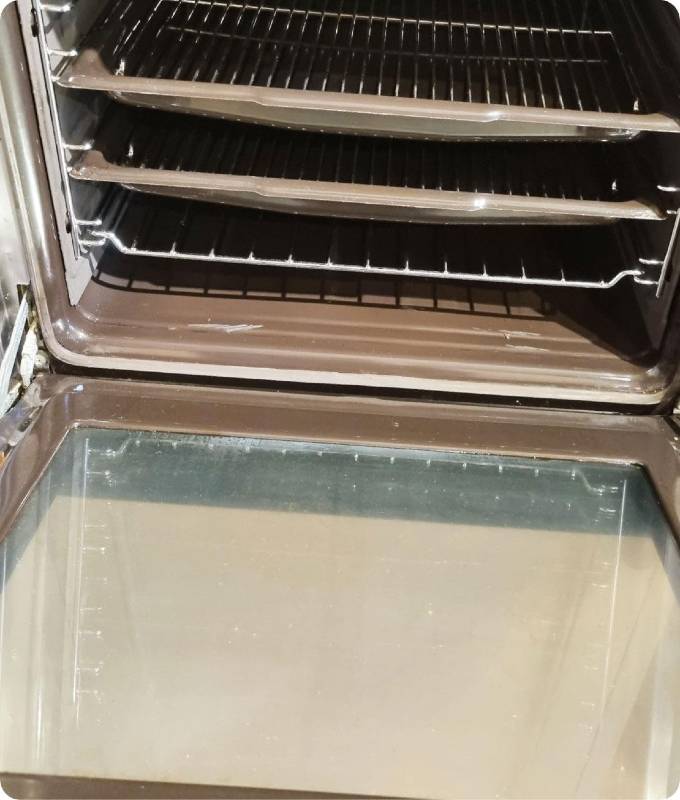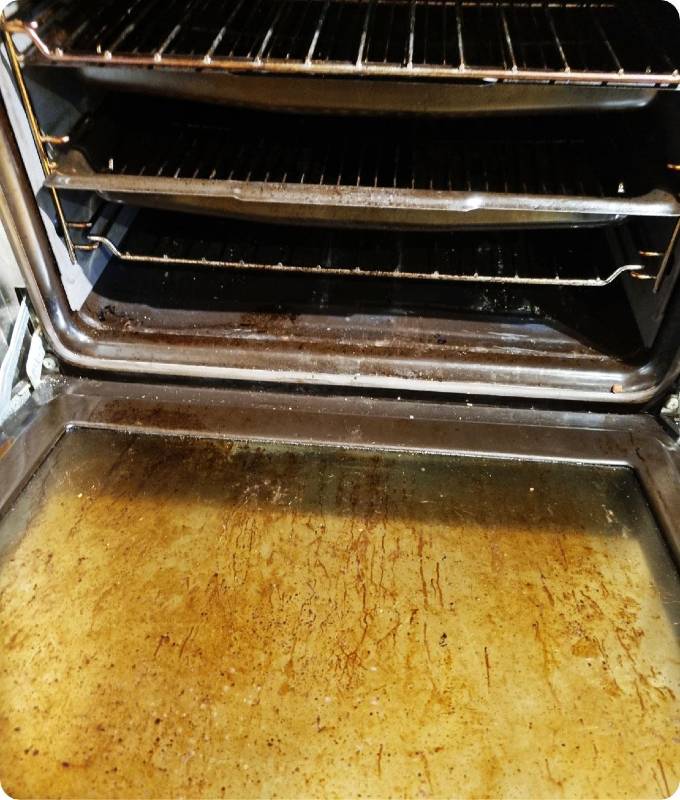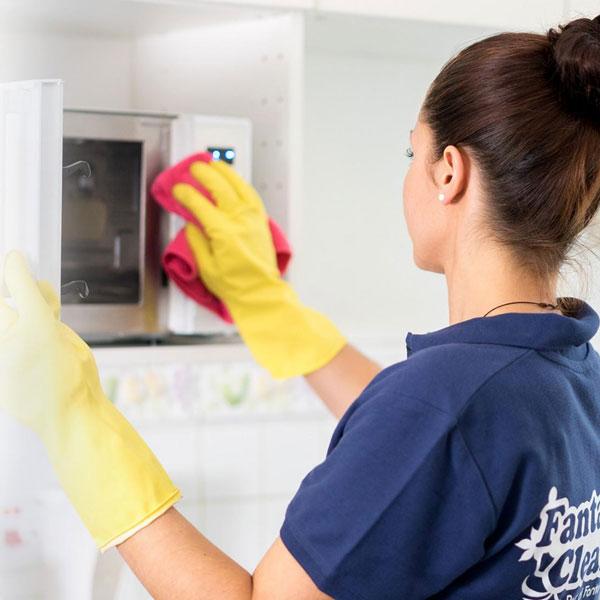
Gloucester has a varied housing stock, with Victorian terraces and Georgian townhouses in the city centre alongside newer housing developments in areas like Abbeydale and Kingsway. Across all of these, the pattern is the same: ovens that see regular use accumulate grease and carbon over time, and that build-up reaches a point where everyday cleaning products can no longer shift it.
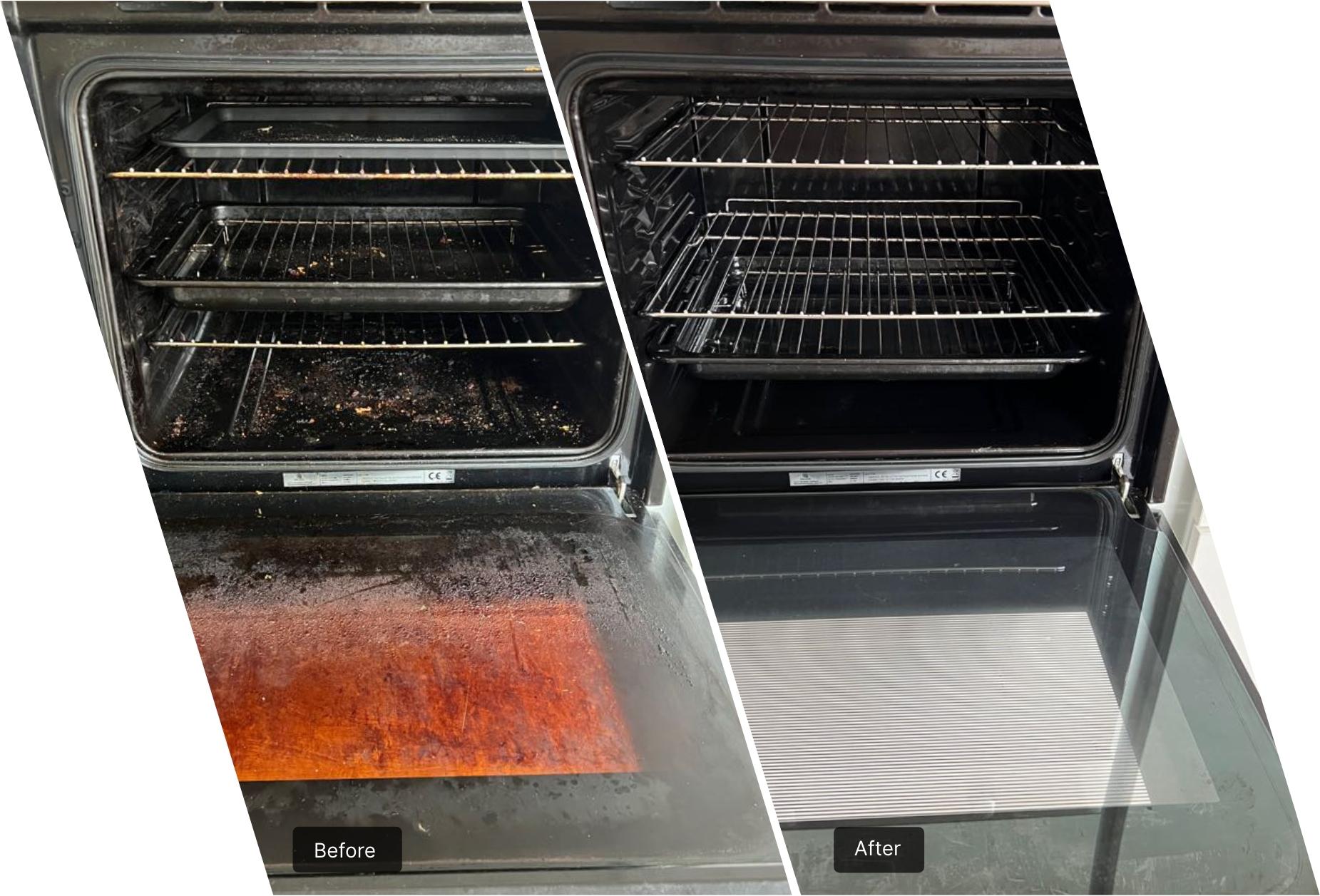
When the technician arrives, they begin with a quick visual assessment of the oven. This helps them identify where the heaviest build-up is concentrated and whether any parts need special attention. All removable components are then carefully detached. Racks, grill pans, side runners, and the inner door glass panel are placed into the heated dip tank, which is filled with a citric acid-based solution and brought up to temperature.
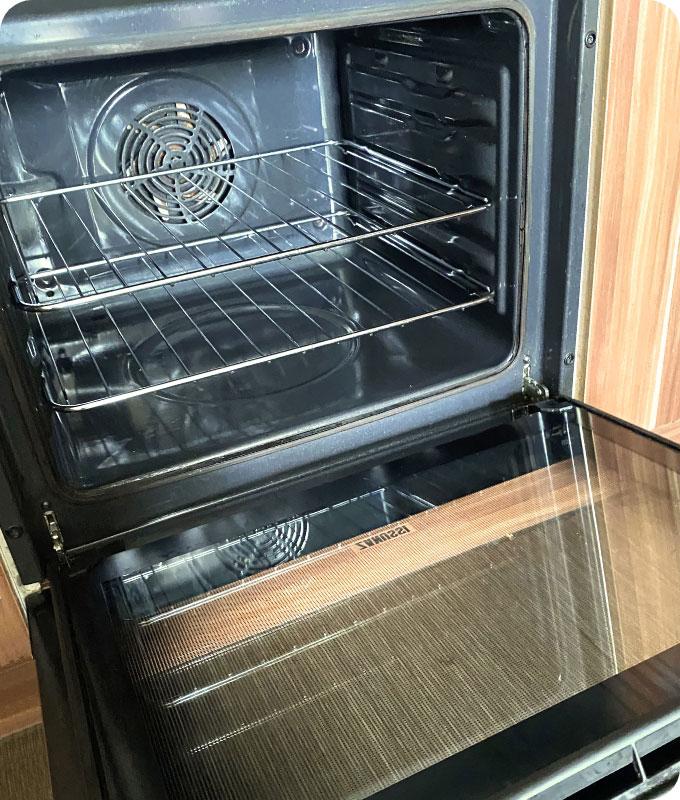
The oven interior is cleaned while the parts soak. Each section is worked through individually: the roof of the cavity, the back wall, both side panels, and the base. Particular attention is paid to the area around the heating element and the base, where spilled fat tends to accumulate and carbonise. Once the soaking cycle is done, parts are rinsed, dried, and carefully refitted. The door glass is polished as the final step before the technician carries out a full inspection of the completed work.
- Full interior treatment: Every internal surface of the oven cavity cleaned and degreased properly.
- Dip tank soak: Racks, trays, and glass treated in a heated organic solution that dissolves carbon deposits.
- Door glass polishing: Inner and outer panels cleaned for a clear view into the oven.
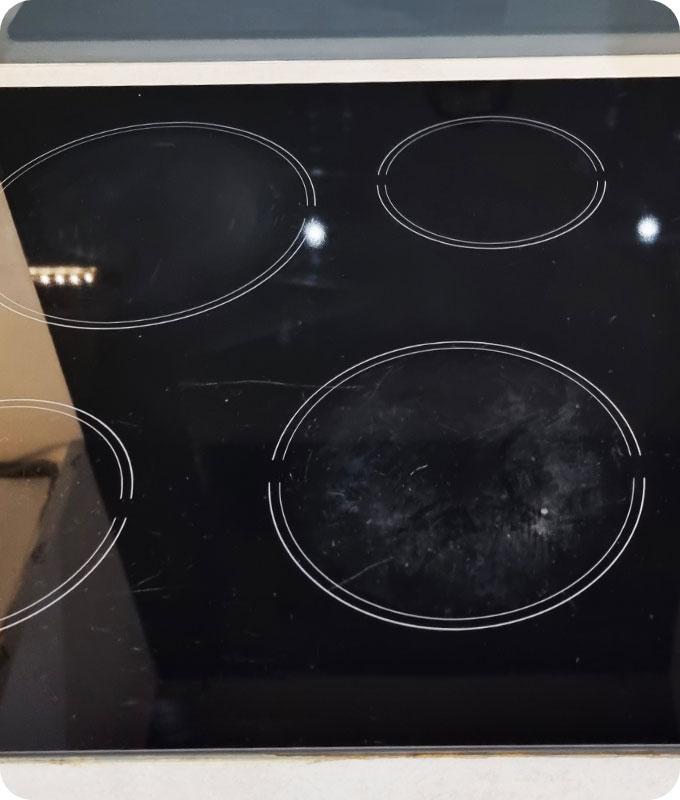
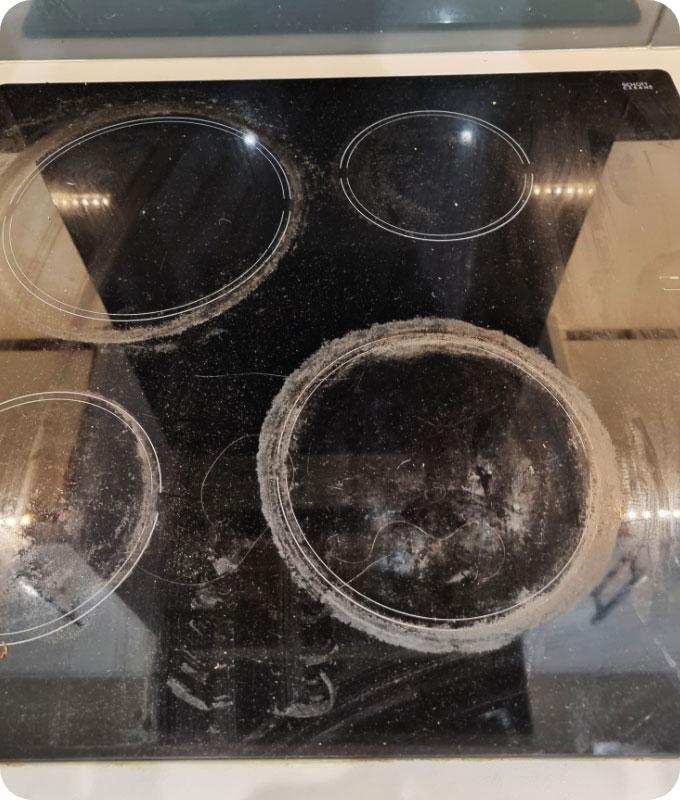
- Hob and extractor add-ons: Both available to include in the same booking.
- No caustic chemicals: Citric acid-based products only, safe for all domestic kitchens.