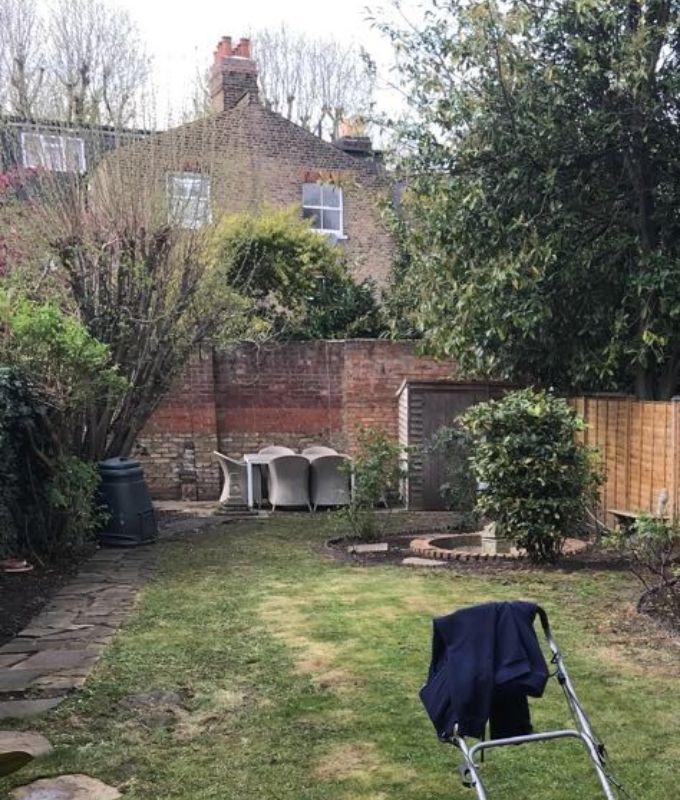
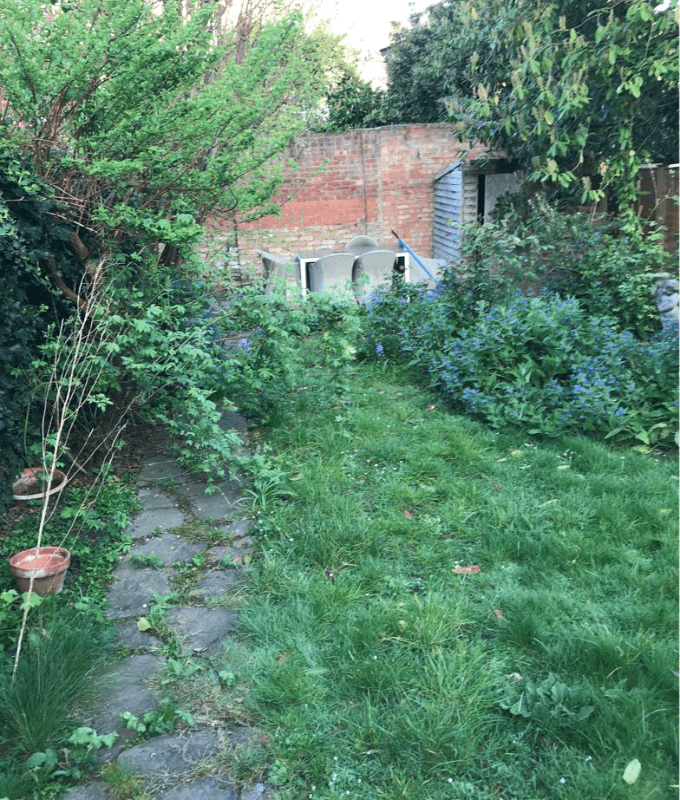
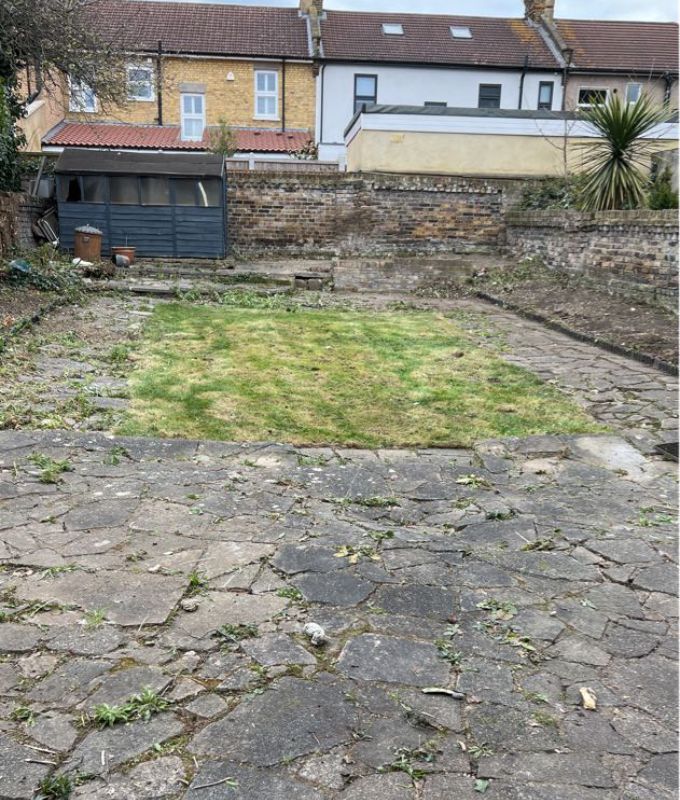
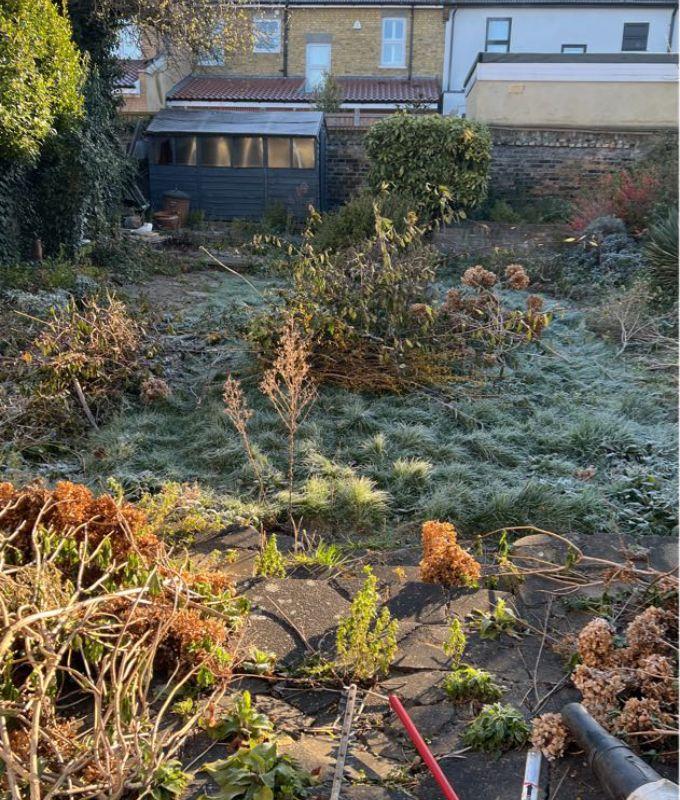
There is very little soil in central Bristol. What BS1 has instead is courtyards behind converted warehouses, roof terraces on new blocks, balconies with a weight limit, and narrow walled yards that see direct sun for two hours a day. Growing anything in those conditions is container gardening whether or not anybody calls it that, and it fails or succeeds on entirely different factors from a garden with ground to dig.
Containers dry out faster than anyone expects
A pot has a finite reservoir and a large surface area relative to it, and on a south-facing terrace in July it can go from saturated to bone dry inside two days. Terracotta breathes and dries fastest; glazed and plastic containers hold moisture considerably longer. Grouping pots together, raising them off a hot surface, top-dressing with gravel and using a compost with added loam rather than a peat-free mix alone all extend the interval. Irrigation on a timer is the honest answer for anybody away regularly.
Feeding, because rain does not do it
Nutrients in a container leach out through the drainage holes every time it is watered, and after two months a multipurpose compost has very little left to give. Foliage plants want a balanced feed through the growing season; anything flowering or fruiting does better on a high-potassium one. Repotting into fresh compost every couple of years, or replacing the top few inches where a plant is too large to move, resets the situation more effectively than feeding a spent medium indefinitely.
Wind, weight and what a roof will take
Exposure at height is the constraint people underestimate. Wind at roof level desiccates foliage, rocks root balls loose and will move a tall container outright. Low, wide planters and windbreak planting along the prevailing edge do more than staking. Weight matters as much: wet compost is heavy, and a terrace has a design loading that a row of large planters can approach. Keeping heavy containers over structural edges rather than mid-span is basic prudence in a converted building.
Shade, walls and choosing plants that will actually live
A tall-walled yard is a low-light environment with reflected heat off the masonry and almost no rainfall reaching the ground behind an overhang. Ferns, hostas, shade-tolerant shrubs and climbers trained on wires cope with it; sun-loving Mediterranean planting sold as low maintenance does not. Choosing for the aspect rather than for the photograph on the label is the difference between a courtyard that fills out and one that is replanted every spring.
Getting waste out of a building with no side access
Everything that comes off a roof terrace goes down in a lift or on a staircase, which sets a hard limit on how much can be done in one visit. Prunings are cut down small, bagged rather than barrowed, and removed under the licensing rules that apply to anyone carrying waste commercially. Volume is worth discussing before a heavy cut-back rather than at the end of it.
Where other trades take over
Building raised beds, laying a deck or installing irrigation is construction rather than maintenance and sits with landscaping cover across Bristol. Any mature tree in a city-centre plot, and particularly one close to a party wall, is work for our tree surgery service in Bristol, since the access and the permissions are both specialist. Ongoing seasonal upkeep for a ground-level garden elsewhere in the city is described under our local team.
Setting up a visit
Work is charged by the time on site and the number of gardeners, with waste priced separately by volume. A water point on the terrace, lift or stair access agreed with the building, and a note of which containers belong to the landlord are the practical things to confirm first. Broader scope is set out on the garden maintenance service.