A garden is not maintained by repeating the same tasks every visit. It is maintained by doing the right thing in the right fortnight, and a schedule that ignores the calendar produces work that looks busy and achieves very little. Bristol sits in a mild, wet corner of the country where the growing season starts early and runs late, so the rhythm here is different from the one a national guide describes, and the intervals between visits need to change through the year rather than staying fixed.
Grass, and the mistake of cutting it short
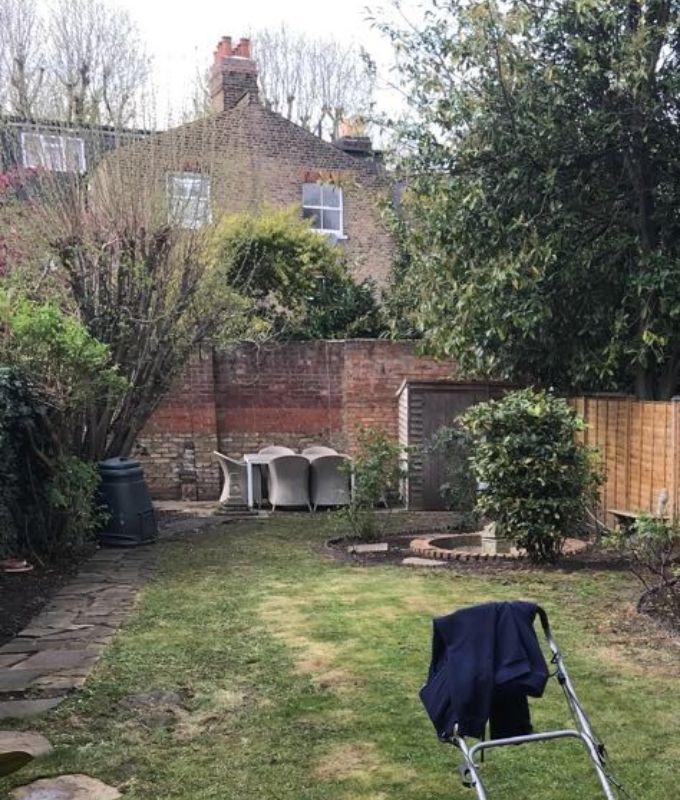
Lawns come out of winter needing a light topping rather than a scalping. Cutting height comes down gradually across spring, holds at a moderate setting through the growing months, and rises again in a dry spell because a longer leaf shades its own roots and holds colour far better than a close cut. Removing more than a third of the leaf in one pass stresses the plant and invites moss and weed into the gaps. In this climate autumn growth continues well past the point most people stop mowing, and a final cut taken too early leaves a long, soft sward to flatten under the first frost.
Pruning windows that are not interchangeable
Timing determines whether a shrub flowers. Anything that blooms on wood made the previous year is cut back straight after flowering, and pruning it in winter removes the entire display. Shrubs flowering on the current season's growth are cut hard in late winter instead. Stone fruit is pruned in summer to avoid silver leaf, and most ornamental pruning stops before hard frost so soft regrowth is not caught. Getting the month wrong is the commonest reason a plant is blamed for being unproductive.
Wet ground and knowing when to stay off it
Bristol winters are wet, and walking a saturated lawn or cultivating a sodden border compacts the structure in a way that takes a full season to recover. Aeration in autumn, either by hollow-tining or slitting, relieves what has already built up and improves the way winter rain moves away. Scarifying to remove thatch belongs to the same part of the year, when the grass still has enough warmth left to knit back together afterwards.
Leaves, and why they are not simply rubbish
Leaf fall smothers grass and blocks drainage channels if it is left, but bagged and stacked it breaks down into one of the best soil conditioners available at no cost. Where a garden has no room for that, the material leaves the site under the same licensing and duty-of-care rules that apply to any commercial waste carrier. Volume in autumn is genuinely large, and it is worth agreeing how it will be handled before the first heavy fall.
Where a plan rather than a visit is needed
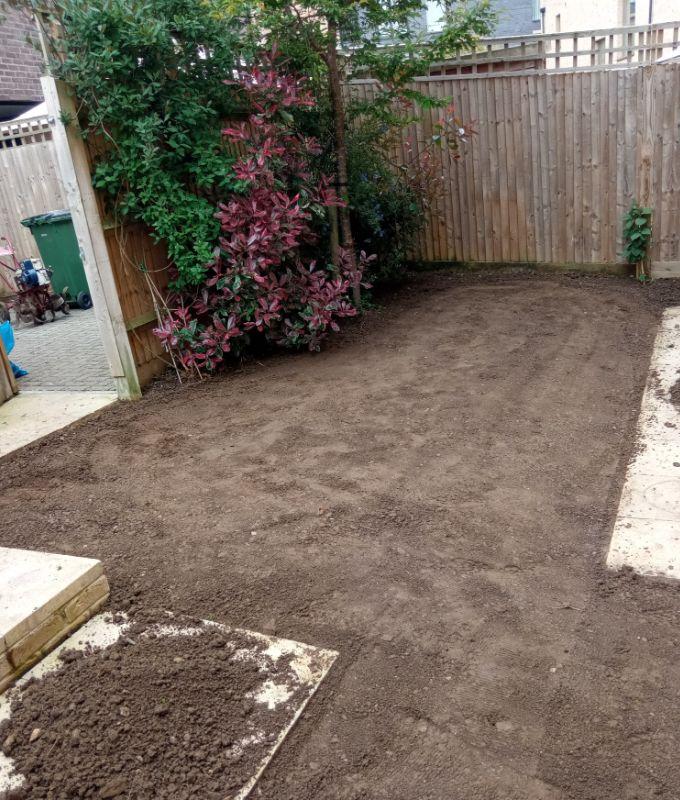
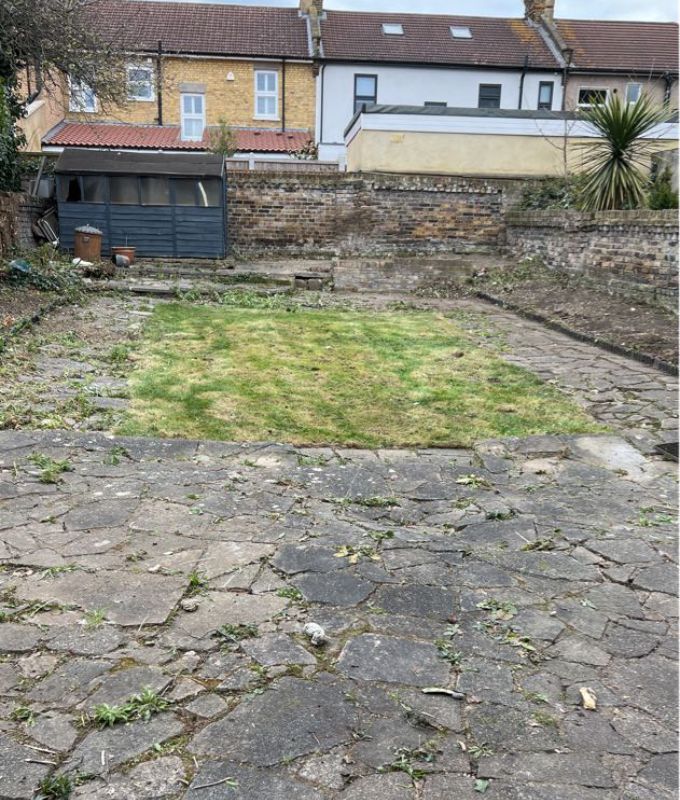
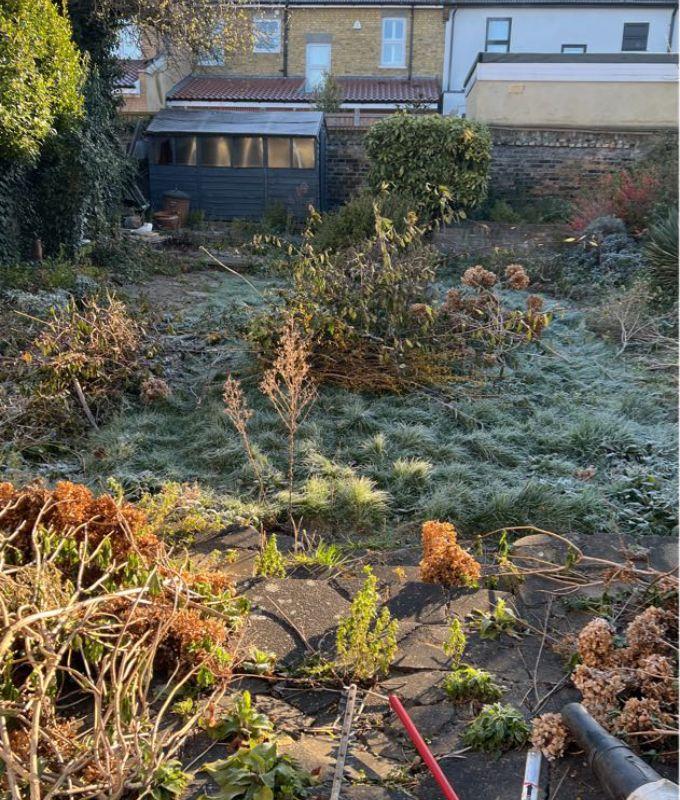
A garden that has been left for several years does not respond to maintenance at all, because there is nothing coherent left to maintain. Reshaping beds, correcting levels, laying new hard surfaces or rebuilding a boundary is design and construction work sitting with the team covering Bristol. Mature specimens needing crown reduction, deadwooding or felling are a separate discipline again, carried out by Bristol tree surgery team, with the permissions checked first where a conservation area or a protection order applies.
What a recurring arrangement looks like in practice
Visits are charged by the time on site and the number of gardeners, with green waste priced by volume, so a short frequent visit through summer and a longer occasional one in winter usually costs less across the year than a fixed fortnightly slot. Water, power for equipment and somewhere to stage cuttings are the practical requirements. Small city plots and terraces are a different proposition and are described under our Bristol team; the broader service scope is set out on fully insured weeding and tidy-ups.










 Get the app



















