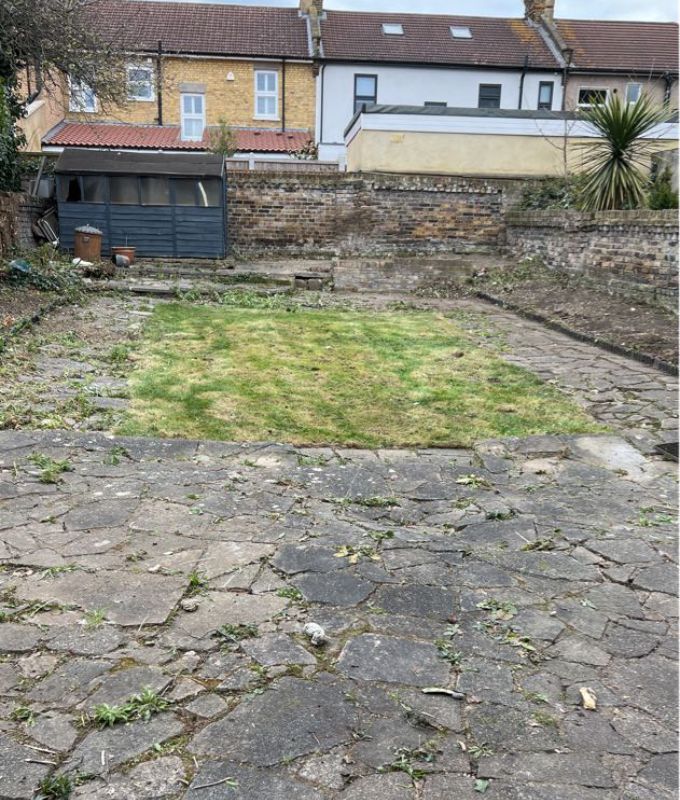
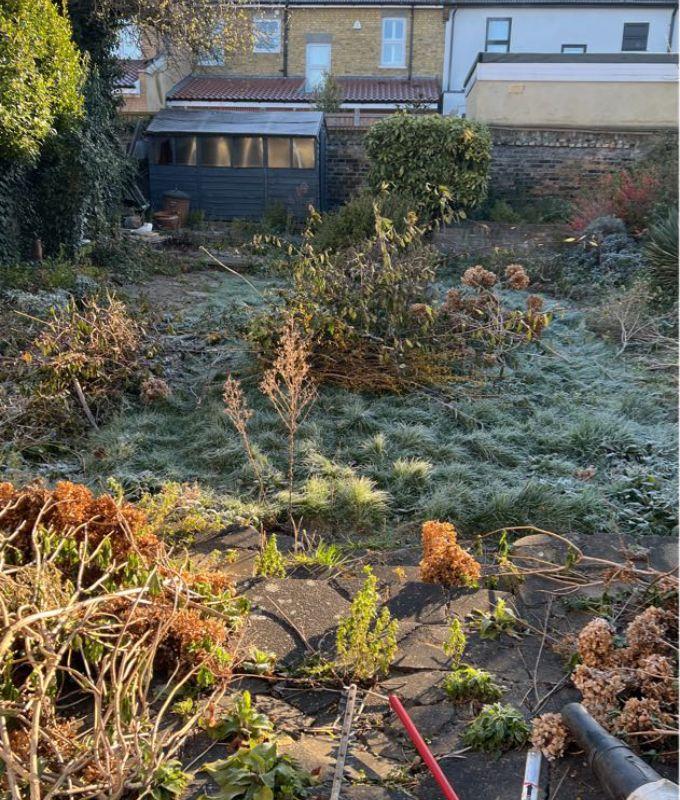
The mature trees that make Wokingham's older residential streets attractive are the same trees that make many of the gardens behind them difficult. Large oaks, limes, beeches and horse chestnuts stand in and over plots across RG40, a good number of them protected, and everything else in those gardens - the lawn, the borders, the drainage, the gutters - is downstream of what the canopy is doing.
Protected trees and the limits on what a gardener may do
A tree covered by a preservation order cannot be cut, lopped, uprooted or wilfully damaged without written consent, and that includes roots. Inside a conservation area, work on most trees above a modest size requires six weeks' notice to the council before anything happens. Neither rule prevents removal of genuinely dead material, but the exemptions are narrower than people assume and the penalties are real. The sensible sequence is to check the status of a tree before planning anything around it, not after a contractor has quoted. Work in the crown of a protected tree is specialist and separate from garden maintenance.
Dry shade, and why it defeats ordinary planting
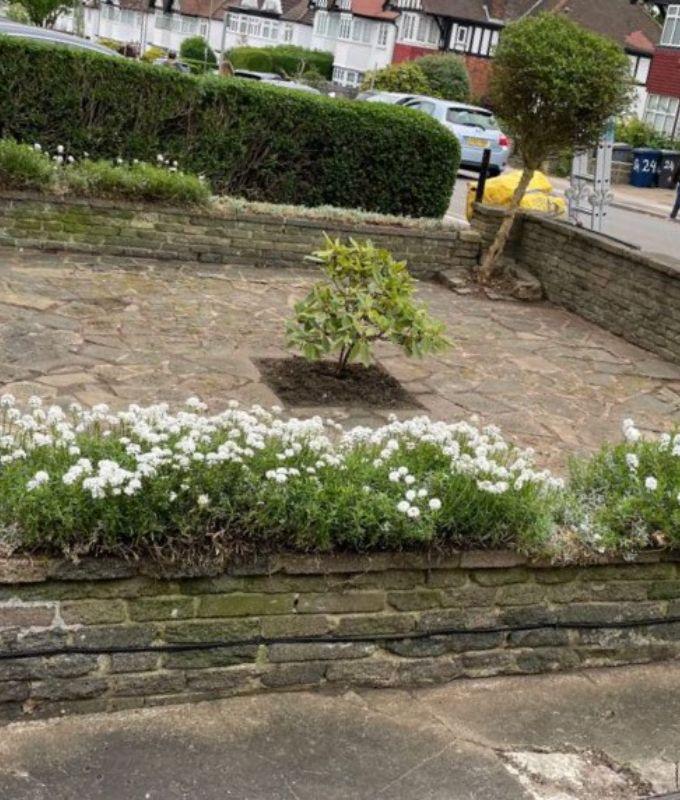
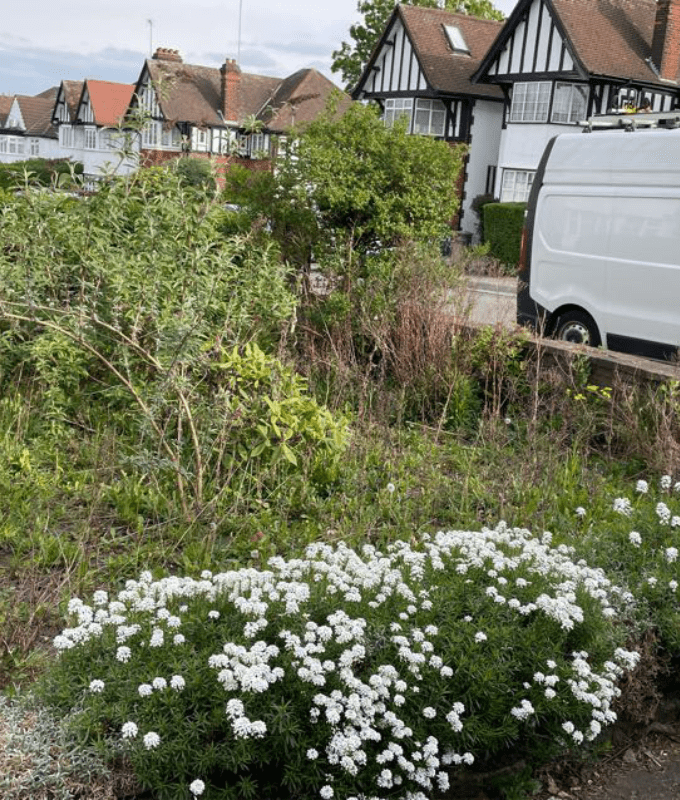
The ground under a large deciduous tree is not merely shaded, it is dry, because the canopy sheds rain outwards and the roots take what does fall. Bedding, most roses and anything wanting steady moisture will fail there however carefully it is planted. What succeeds is a narrow but genuinely good list: epimedium, hellebore, dryopteris and polystichum ferns, euphorbia amygdaloides, geranium macrorrhizum, brunnera, bulbs that flower before the canopy closes. Planting in autumn, watering through the first two summers and mulching annually is what gets them established; planting in May is what kills them.
Lawns living under a canopy
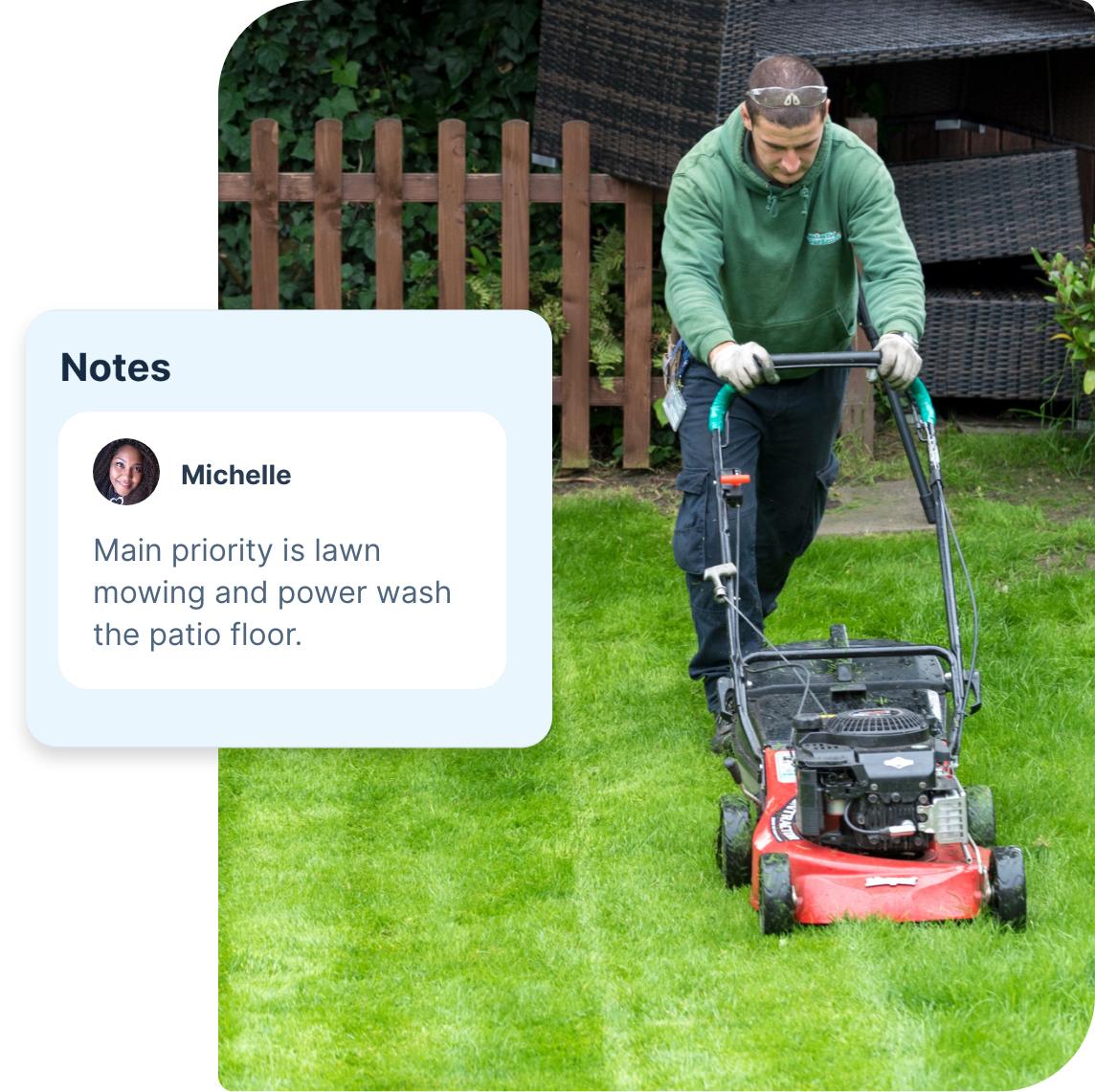
Grass under a tree loses on both counts, competing for light and for water, and the usual response - more feed, more seed, more water - rarely works for long. Raising the cutting height gives the sward more leaf to work with. Reducing traffic over it helps. A shade-tolerant seed mixture with a high fescue content is better than a fine ornamental blend. Gardens on the chalk further south meet the same problem with less rainfall to help, and that round is set out on our gardening in Basingstoke. Where none of that is enough, the honest answer is to stop growing grass there and extend the bed, or lay a surface, which is design and groundwork rather than maintenance and belongs to the local team.
Leaf fall: an asset in one place and a liability in another
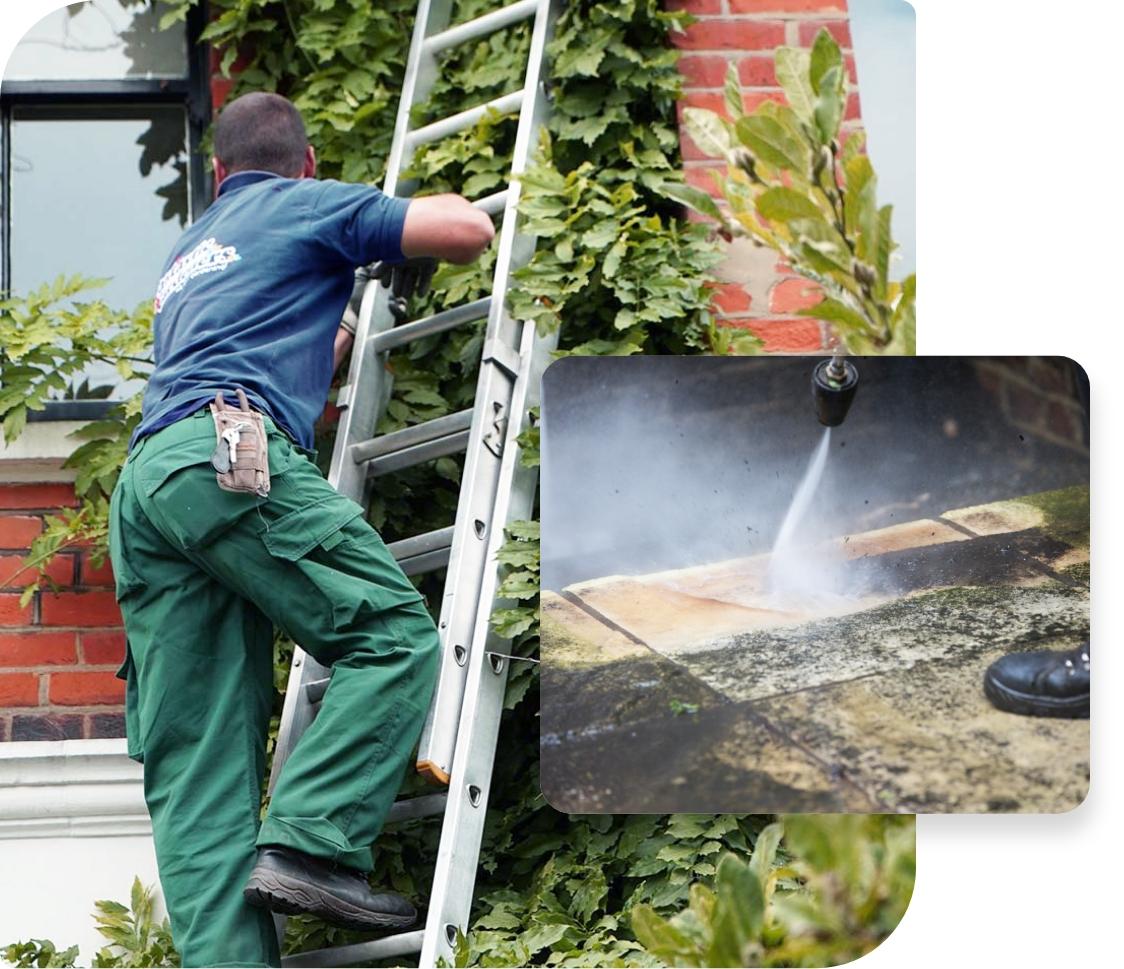
Several weeks of autumn in these gardens are taken up with leaves. On borders, leaf litter is worth leaving - it insulates crowns and feeds the soil - and surplus is better stacked to rot into leaf mould than bagged and removed. On lawns it must come off, because a wet mat excludes light and leaves yellow patches that persist into spring. On paths and steps it is a slipping hazard within days. Where it does the most expensive damage is in roof gutters and downpipes, which overflow against a wall all winter, and that work is covered by local gutter cleaning across Reading.
Roots, paving and the cuts that must not be made
Lifted paving, a cracked path or a patio tipping away from the house is often blamed on a tree and solved by severing the root responsible. On a mature specimen that is both potentially unlawful and structurally risky, since roots near the trunk anchor it. The better answers are usually to relay the surface over a flexible bed, to bridge rather than excavate, or to change the material. On shrinkable clay, removing a large tree can cause as much movement as leaving it. None of this is DIY territory.
Planning the year around the canopy
A round in a heavily treed garden has a different rhythm: lighter than average in high summer when the shade suppresses growth, and much heavier for six weeks in autumn. Pricing follows the hours and the volume of material removed, so the autumn visits cost more than the June ones, and it is generally cheaper to agree that in advance than to treat each clearance as an emergency. Before a start date it is worth establishing which trees carry orders, where the leaves habitually collect, and whether there is somewhere on the plot to stack leaf mould. Beyond the autumn peak, the ordinary run of garden jobs is run through on Fantastic Services, and indoor work is arranged separately under what the service covers.