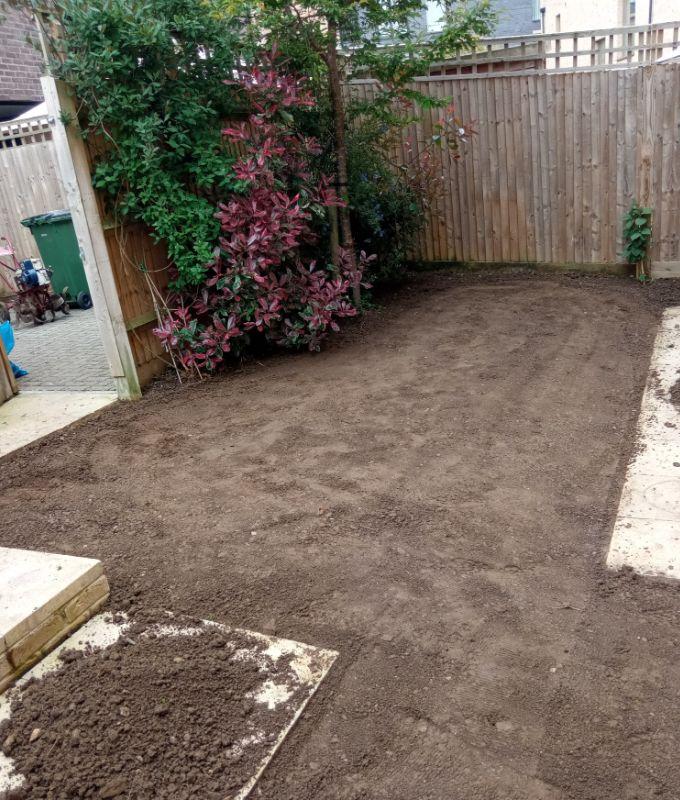
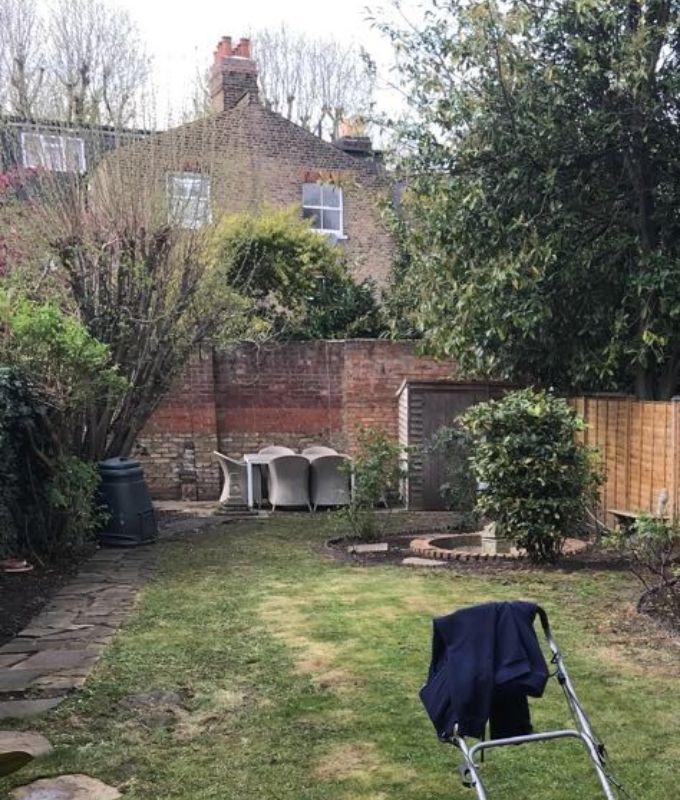
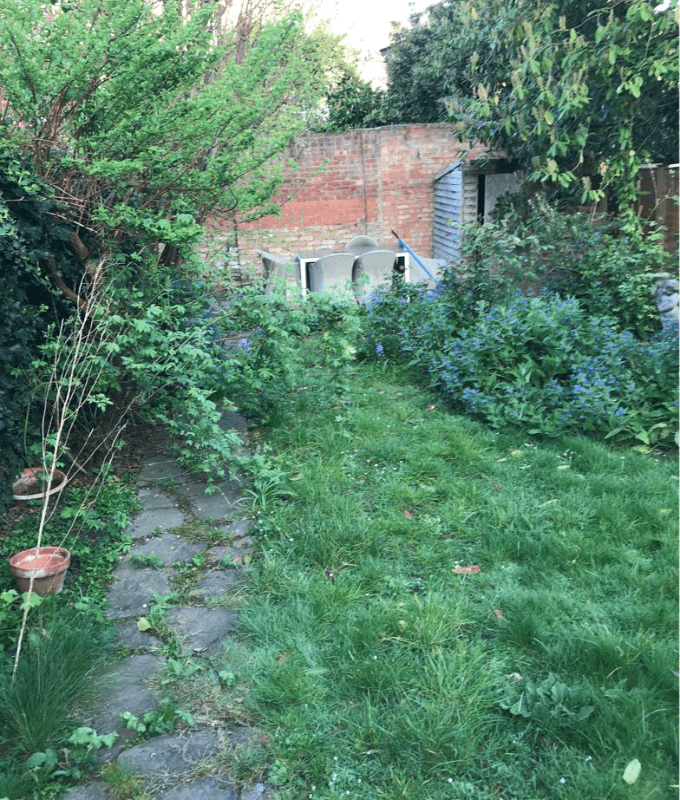
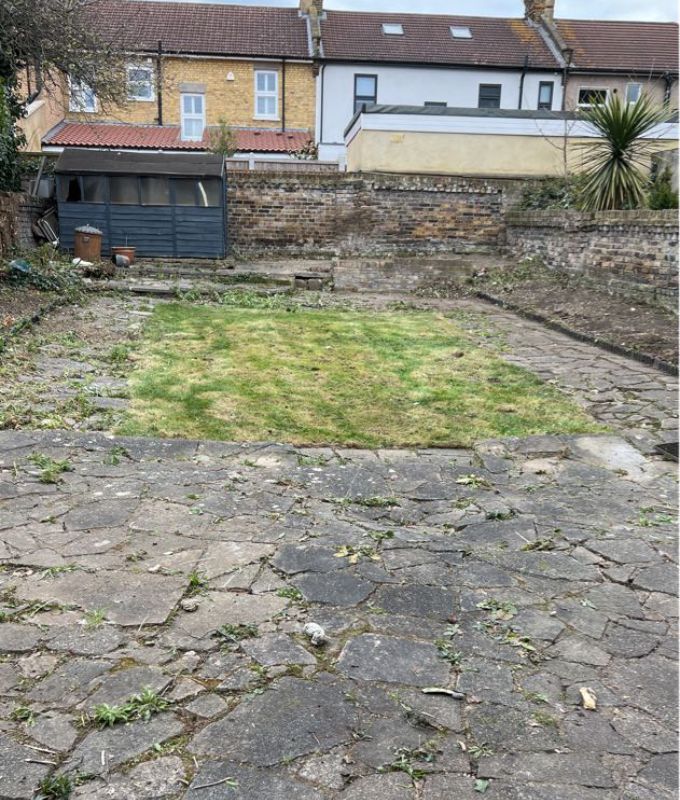
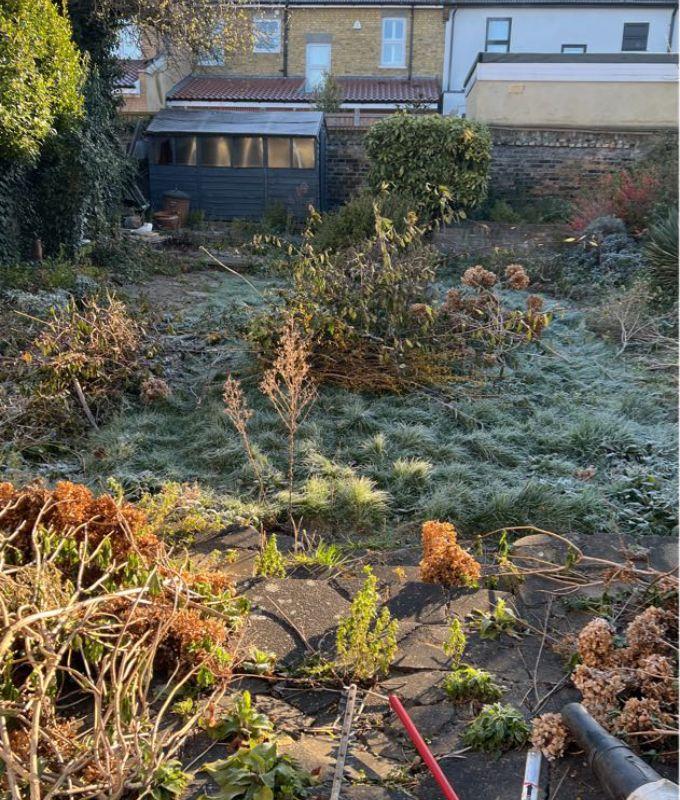
Rub a handful of topsoil from a GU11 border between finger and thumb and it usually falls apart rather than holding together. That gritty, pale, free-draining ground is the local inheritance of the heath and sand that the town was built across, and it dictates almost everything about how a garden behaves. Rain passes through it within hours, nutrients travel with the water, and a fortnight of July sun is enough to take a border from lush to limp. Most of the disappointment in gardens here traces back to that one physical fact rather than to neglect.
Why feeding and watering both leak away
Sandy soil has large pores and very little of the clay or humus that holds nutrients on its surfaces. Nitrogen in particular is flushed below the root zone by heavy rain within days of being applied, which is why a single spring feed rarely carries a garden through to autumn. Smaller doses spread across the growing season work far better than one generous application. Slow-release granular feeds and organic materials that break down gradually suit these conditions better than anything soluble poured on in one go.
Mulch is the intervention with the highest return
A layer of well-rotted compost, bark or leaf mould laid seventy-five to a hundred millimetres thick over damp soil slows evaporation, moderates soil temperature and gradually builds the organic fraction the sand is short of. It goes on in spring while the ground still holds winter moisture, never onto dry soil, and it is kept back from stems and crowns so nothing rots at the collar. Repeated every year it changes the soil's behaviour measurably within three or four seasons, which nothing applied from a bottle will do.
Watering properly instead of watering often
A light sprinkle every evening encourages roots upwards into the driest part of the profile, which is exactly the wrong outcome. A long, slow soak once or twice a week drives moisture down and the roots follow it. Water goes to the base of the plant rather than over the foliage, early or late rather than at midday, and newly planted stock is watched for its first two summers rather than its first two months. A can emptied slowly into a sunken pot beside a shrub beats a hose waved about for ten minutes.
Planting that suits the ground instead of fighting it
Lavender, rosemary, cistus, santolina, euphorbia, verbascum and the ornamental grasses positively prefer sharp drainage and thin soil, and they will out-perform anything lush and thirsty without irrigation. Bulbs do well because they get the summer bake they want. Hydrangeas, astilbes and moisture-loving woodlanders are a constant struggle unless a bed has been substantially rebuilt, and rebuilding levels, retaining or wholesale soil improvement crosses from maintenance into construction, which is where Aldershot landscaping service picks the work up.
Lawns on sand go dormant rather than dying
Brown summer grass here is alarming and usually temporary. Fescue-rich turf shuts down in drought and greens up within a fortnight of proper rain, provided it was not scalped short and then walked on while dormant. Raising the cutting height through June and July, leaving the clippings to return moisture and nitrogen, and staying off the driest patches costs nothing. Autumn is the time for repair rather than August. Gardens on the heavier ground around Farnham gardening services shut down far less readily, and the seasonal ordering of all of it is what our nationwide service sets out.
The grit that comes indoors
Pale sandy soil travels on boots, paws and tools far more readily than clay does, and it shows against dark flooring rather than against light. It also works its way deep into the pile of a doormat and a carpet instead of sitting on top. Paving, steps and drives streaked by the same material need washing rather than brushing, and pressure washing throughout Farnborough restores those surfaces.
What an appointment covers and how it is charged
Routine maintenance is billed by the hours on site and the number of technicians, so a garden that has been kept moving costs less to hold than one restored from scratch each spring. Mulch, compost and turf are supplied and charged separately by volume, since bulk materials are the real cost on a sandy site. An outside tap, gate access and somewhere to park the van all help. Households running the inside of the house on a comparable routine tend to pair it with our nearby specialists.