Getting a machine into a flat on the eleventh floor is a different trade from getting one into a house. Central GU21 has a concentration of tall residential blocks and converted commercial buildings, and in almost all of them the work is governed by rules set by the managing agent rather than by the resident: permitted contractor hours, a booked goods lift, protective coverings in the lobby, restrictions on where a vehicle may stand and for how long. None of that is negotiable on the day, so it is settled at the point of booking.
Access rules that decide the method
Many blocks allow contractor work only on weekdays between set hours, which rules out the evening slots commuting households would prefer. A lift has to be reserved and is usually shared, so equipment goes up in a single load. Lobbies with fobbed doors need someone to let a technician back in after a trip to the vehicle. Where the parking outside is controlled, a permit or a bay booking is arranged in advance rather than risking a penalty mid-job.
Water in and waste water out
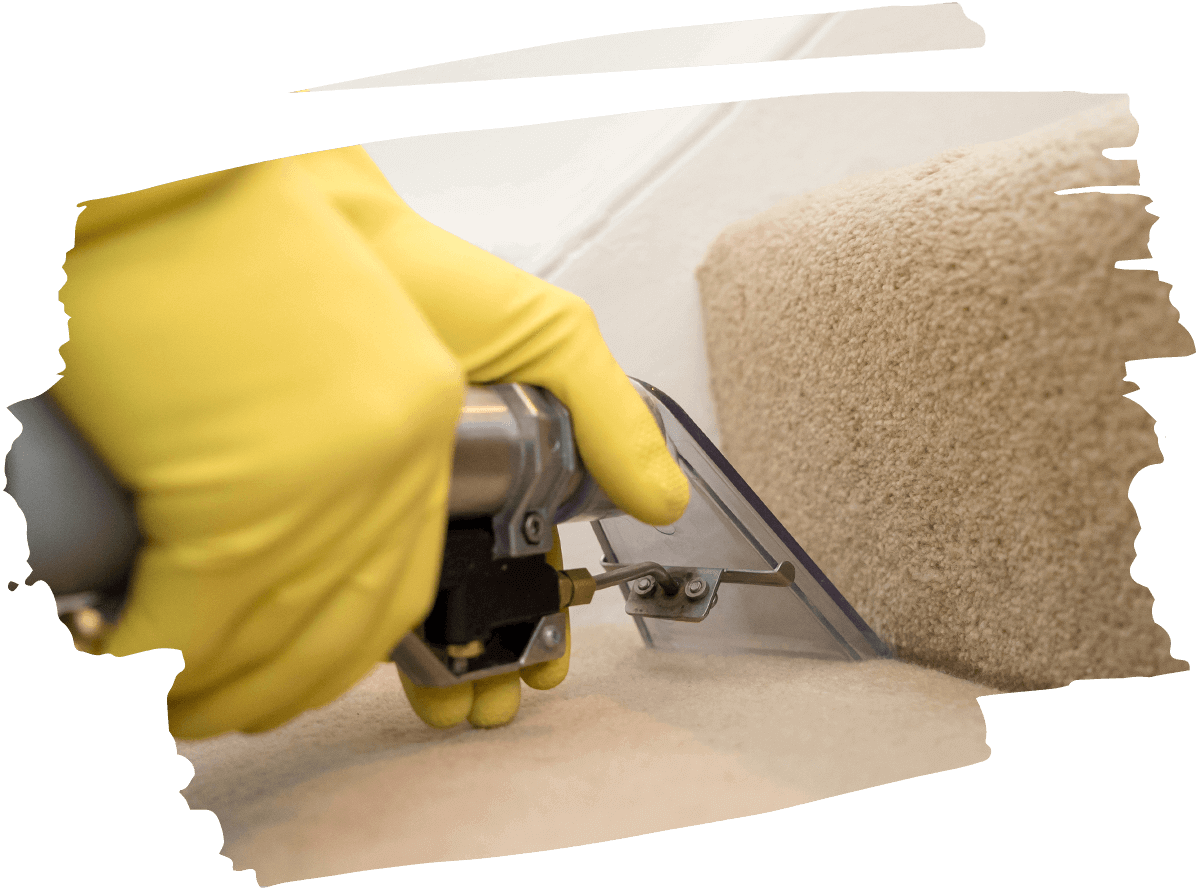
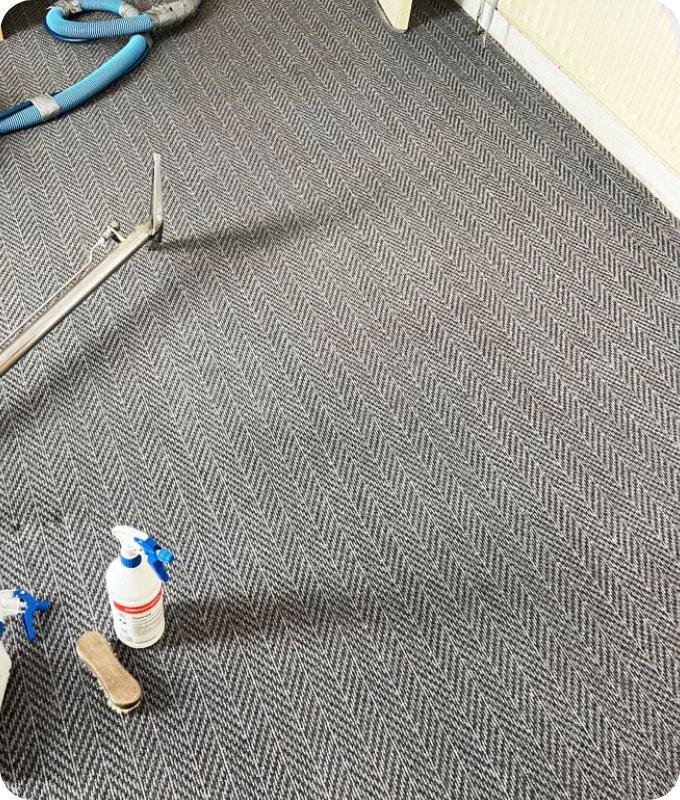
A van-mounted system is useless above a couple of floors, so the equipment is a portable unit filled from a tap inside the flat and emptied into a WC or sink inside the flat. Nothing is discharged into a rainwater downpipe or out of a window; waste from carpet cleaning is not clean water and disposing of it into a surface drain is a straightforward breach of duty of care. Tank capacity then dictates the rhythm: a certain area between refills, and a fill-and-empty cycle built into the timing. Noise matters too: concrete-framed blocks transmit machine noise less than converted buildings with timber floors, where a portable unit standing directly on boards is clearly audible below, so it sits on a mat and in the hall rather than against a party wall. The machinery options and their limits are set out under the full service page.
The opposite problem a few miles out
Village and semi-rural property nearby has no lift and no concierge but often a long drive, unmade parking and stairs with tight turns, so the constraint becomes hose run and carrying distance rather than permitted hours. That is why the approach taken for carpet cleaning services across Bagshot looks different even though the carpets are much the same.
Flats being refurbished
Blocks turn over and get updated constantly, and a flat that has had new kitchen units, flooring or a bathroom fitted holds fine dust in every soft surface for weeks afterwards. Soft flooring is therefore cleaned at the end of the programme, once the construction residue has been removed under the after builders cleaning team in Woking, otherwise the same dust is simply pressed into the pile.
Between one occupant and the next
Turnover in the town centre is quick and the window between tenancies is often a matter of days, so floors are cleaned the moment the flat is empty, photographed once dry, and left ventilated. Sequencing it behind the rest of the handover work through fully insured pre-tenancy cleaning in Woking keeps the whole property finished at the same point.
Drying in a flat with the windows shut
Higher floors are frequently sealed against noise and wind, so opening a window is not always possible or effective. Mechanical extract fans in the bathroom and kitchen left running, internal doors open and an air mover in the hall move far more moisture than a passive approach, and low-moisture methods are chosen when drying is the binding constraint rather than soil level.
Practical details when booking
The floor number, whether there is a lift, the building's permitted hours and the parking arrangement are the four things worth having ready. Price follows measured area and the method the building allows, not a per-room rate. Clear floors, and leave a route from the front door to the rooms being worked on. Residents wanting the whole flat covered in the same visit generally add home cleaning in Windlesham to the booking.