Flats hold moisture in a way houses do not. A modern apartment has a small volume of air, limited natural ventilation, a bathroom with no window and often a washing machine in the kitchen, and the result is a humidity load that shows up on the cleaning rather than on the thermostat. Woking's town centre has gained a great many of these apartments, and the recurring problems in them are consistent enough to be planned for.
Extractor fans that run but do not extract
The fan in an internal bathroom is the only route moisture has out of the flat, and a grille furred with lint halves what it moves. The grille comes off, is washed and dried, and the blades behind it are cleaned dry with a brush, since anything wet on a fan motor is a poor idea. A fan that continues to leave the mirror fogged after that is a maintenance matter for the building rather than a cleaning one, and it is worth reporting rather than living with.
Sealant, grout and the shower tray
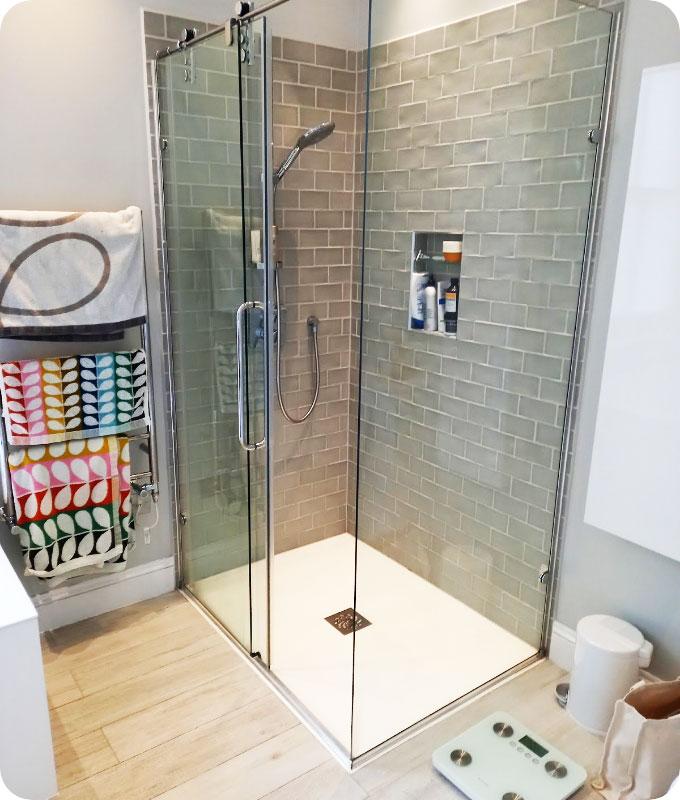
Silicone that has gone black is not dirty on the surface; the growth is within the sealant, which is why scrubbing achieves so little and why a mould treatment needs to be left in contact for hours rather than wiped straight off. Grout lines take a brush rather than a cloth. The shower tray waste and the hair trap under it hold a biofilm responsible for most of the smell people blame on the drain. Screens are squeegeed after each use or they scale, since the water here is hard.
Laundry dried indoors
A single load of washing put on an airer releases a considerable amount of water into a flat, and with no through draught it condenses on the coldest surface available: the window reveal, an external corner, or the back of a wardrobe against an outside wall. Where drying indoors is unavoidable, doing it in one room with the door shut and a window vent open confines the problem. Cleaning the resulting marks without addressing the source guarantees a repeat performance.
Thresholds, tracks and balcony doors
Sliding and lift-and-slide doors run in channels that collect grit, and a door dragged over grit scores its own track and eventually stiffens. The channel is vacuumed with a narrow nozzle, brushed out, then wiped dry, with no lubricant applied to the running surface. Balcony floors are usually the responsibility of the leaseholder while the external face of the glazing is not, and understanding that division saves time arguing about a smeared panel. Decking tiles laid over a balcony trap grit and standing water underneath, so they are lifted occasionally rather than swept around indefinitely.
Bins, deliveries and communal space
A flat has no side passage, so waste is stored in the kitchen until it goes to a bin store, often along a carpeted corridor. Lidded caddies, regular emptying and rinsing the container itself prevent the fly problem that otherwise appears every summer. Corridors, lobbies and lifts are cleaned under the building's service charge rather than by a resident's arrangement. Cardboard from deliveries is the other volume problem in a small flat, and flattening it as it arrives is the only thing that keeps a hallway usable.
Setting up a repeating slot
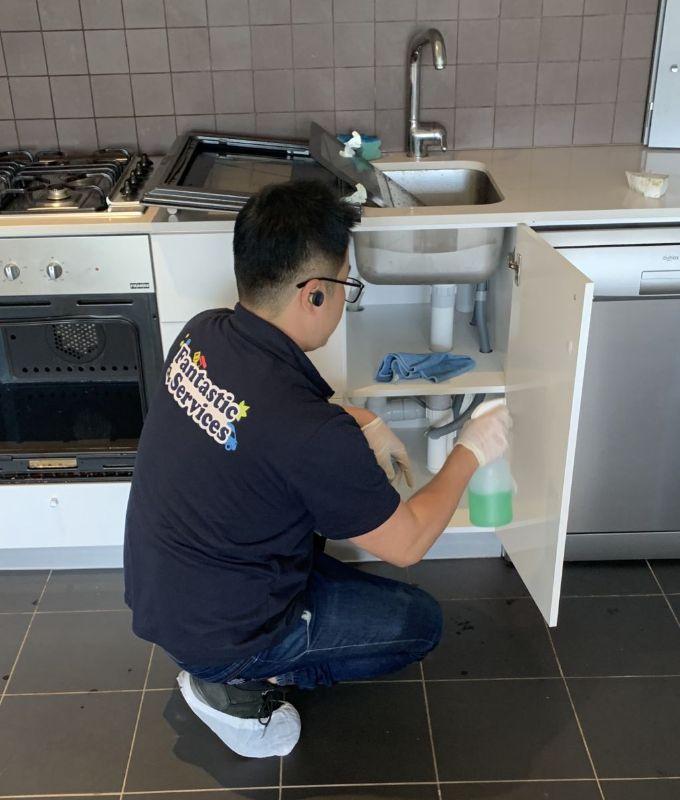
Hours are the basis for charging, and a one or two bedroom flat usually settles into a shorter, more frequent pattern than a house. Entry needs thought where there is a video entry system and no concierge, so a key or code arrangement is agreed at the start. Ovens in flats get heavy use from small kitchens and are handled separately, as described at oven cleaning throughout Windlesham. Bedroom carpet that has never been extracted falls to the local team. A single longer session instead of a standing slot is covered on Woking domestic cleaning, and the full list of household services is at fully insured domestic cleaning.








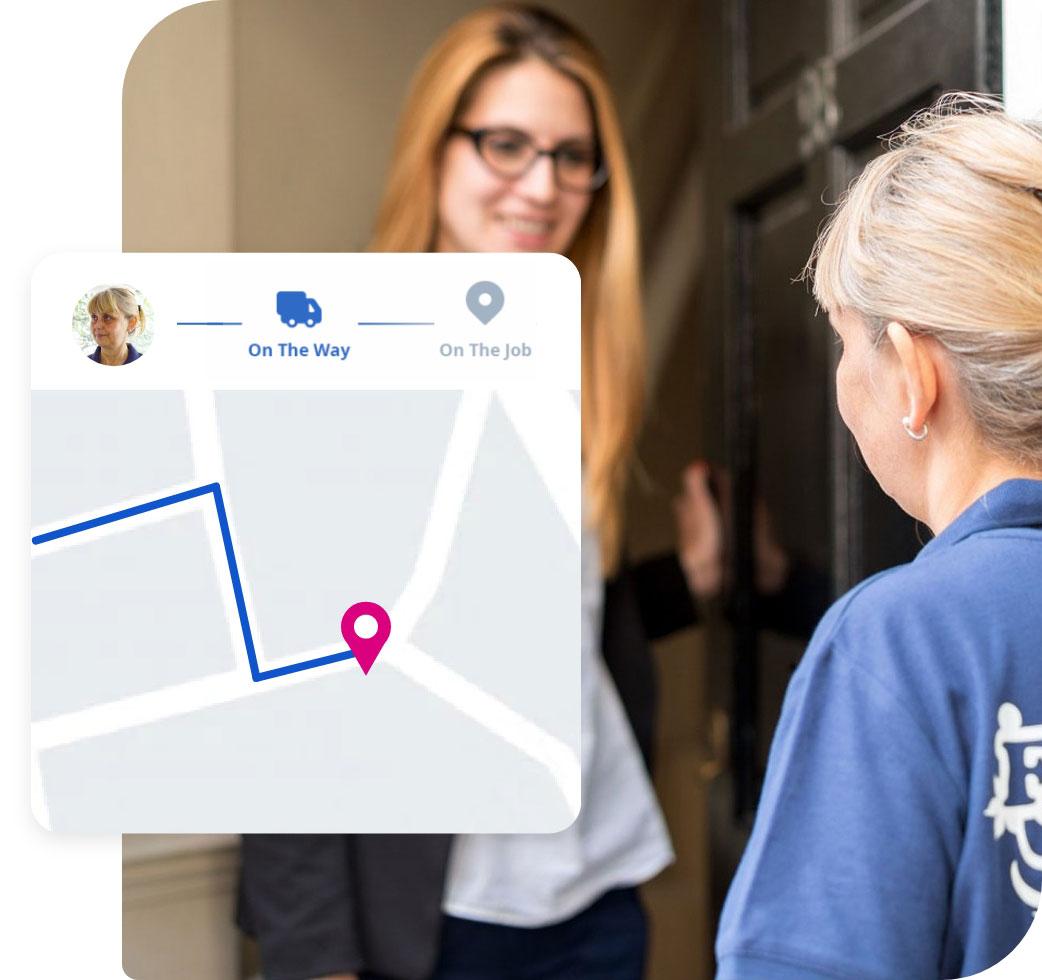
 Get the app















