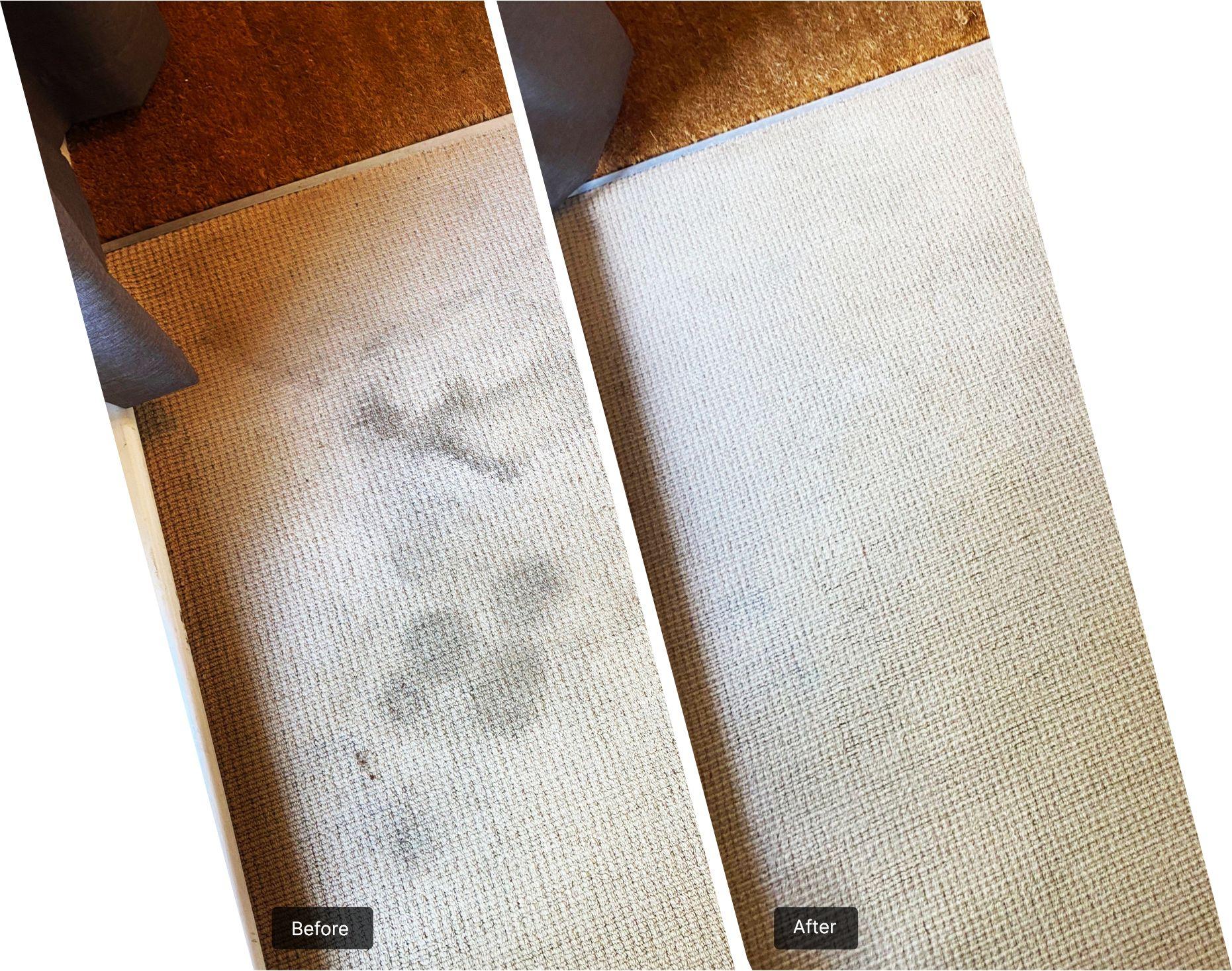
The result a carpet clean achieves depends far more on the machine and the method behind it than on the product poured into the tank. Across south London the same technician may work in a ground-floor Victorian flat with a hall the width of a door, then in a maisonette four floors up with no lift, and the equipment that suits one of those is wrong for the other.
Truck-mounted and portable are different tools
A vehicle-mounted machine generates heat and vacuum far beyond anything a portable unit can, which makes it the better choice for heavily soiled floors close to a parking space. A portable unit sited inside the property loses nothing to a long hose and can reach a top-floor flat where a hose run would be impractical or against building rules. Neither is universally superior, and choosing by convenience rather than by the property is how jobs underperform.
Heat, flow and vacuum lift each do one thing
Heat accelerates the chemistry and helps emulsify oily soil. Solution flow carries the chemistry to the fibre and flushes it back out. Vacuum lift is what actually removes the water, and it is the specification most often ignored. A machine with impressive pressure and weak recovery leaves a carpet wet, which is the cause of most wicking, browning and slow-drying complaints regardless of how well the cleaning itself went.
Why a hired machine disappoints
Consumer rental units combine low heat, modest vacuum and a small tank, which in practice means a lot of water going in and much less coming back out. Combined with a shampoo that leaves residue, the usual outcome is a carpet that looks improved for a week and then resoils faster than before. The disappointment is rarely the operator's fault; the equipment simply cannot do what is being asked of it.
Where the dirty water goes
Recovered solution is not clean waste. It carries detergent, emulsified grease and whatever was in the carpet, and it belongs in a foul drain rather than in a surface water gully, a garden or a planter, since surface drainage in much of the area runs untreated to a watercourse. Tanks are emptied to a sink, a WC or an outside foul gully identified beforehand, and solids are filtered rather than tipped. Waste from a heavily contaminated job, particularly where flooding or animal contamination is involved, is handled under the duty of care that applies to anyone carrying waste from a property.
Agitation is the step most often skipped
Chemistry, heat and dwell time all work better when the pre-spray is mechanically worked into the pile. A counter-rotating brush or a rotary machine with a suitable pad breaks the bond between soil and fibre so extraction has something loose to remove. Skipping it and compensating with more solution is the commonest shortcut and the one that shows up most clearly in traffic lanes.
Matching equipment to the building
Older flats frequently offer one usable socket per room on a circuit that will not carry two heating elements, so power draw is checked rather than assumed, and water access on the working floor decides how much time is spent carrying tanks. Where a whole property is being turned around, the floors are timed to fit the wider schedule of cleaning services for flats in South London.
Scope, records and what a visit includes
Areas are counted rather than clocked, fibre and backing identified, colour-fastness tested, and pre-existing damage recorded before the machine runs. Rooms cleared beforehand clean better and dry faster. Household cleaning on a regular basis is covered by cleaning services across South London, individual districts have their own pages including experienced rug cleaning in Brixton, seating is handled as described on our upholstery cleaning service in Clapham, and the method detail sits on what the service covers. Where access, parking or a lift booking is involved, confirming it in advance keeps the working time on the carpet rather than on the logistics.