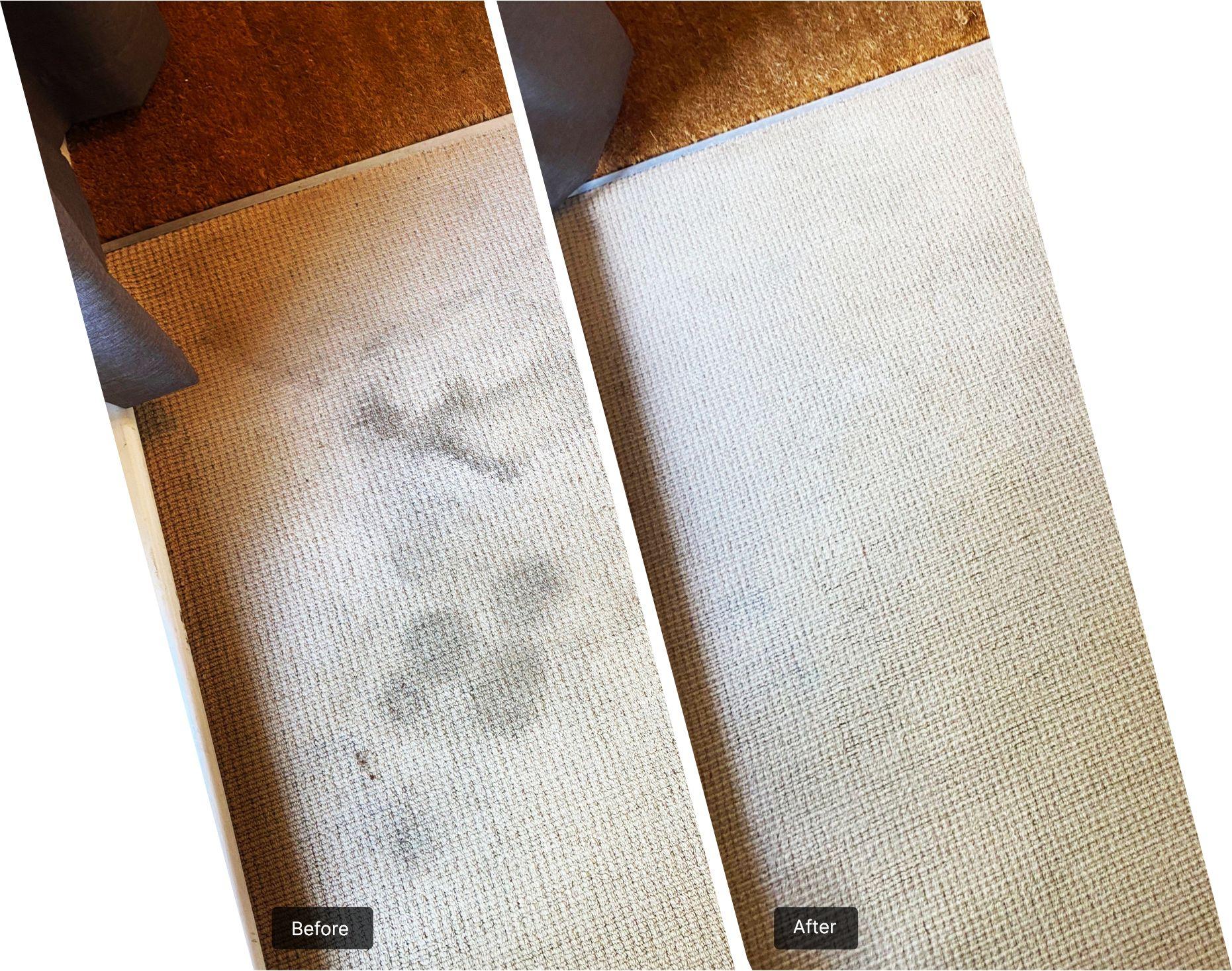
There is no single machine that cleans every carpet well, and choosing the wrong one is the usual reason a job disappoints. A truck-mounted system, a portable extractor, a rotary machine with a pad and a dry-compound applicator all do different work, suit different fibres and leave different amounts of water behind. In Lewisham, where the housing runs from tower blocks to Edwardian terraces within a few hundred metres, that choice changes street by street.
Truck-mounted systems and what they need
A vehicle-mounted unit generates its own heat and vacuum and carries its own waste tank, which makes it the most powerful option available and the fastest at drying. What it needs is a place to park within hose reach and a route for the line that does not cross a fire door or a busy communal stair. Above about the fourth floor, or where parking is controlled and distant, the advantage disappears and something else is required.
Portable extractors in flats and high-rise
A portable machine goes wherever a lift goes. It draws water from the kitchen tap, runs from an ordinary socket and discharges to an internal drain, so a flat on the twelfth floor is no harder to serve than a ground-floor maisonette. The trade-off is lower vacuum and a slightly longer drying time, which is managed by making more dry passes and adding air movement rather than by accepting a wetter floor.
Rotary pads and where they earn their place
A rotary machine with an absorbent bonnet is a maintenance tool. It works the surface of a pile, lifts light soil and refreshes appearance with very little moisture, which suits a commercial corridor or a flat that needs to be usable immediately. Used as a substitute for deep cleaning it disappoints, because it never reaches the soil sitting at the base of the tufts, and on a long pile it can distort the yarn. Where a shared area rather than a flat needs attention, the wider list of what is available locally is grouped under professional house cleaning in Lewisham.
Dry compound for floors that must not get wet
Some floors cannot take water at all — natural fibre coverings, certain wool rugs, tiles with a failing adhesive. A moistened absorbent compound brushed into the pile and vacuumed out an hour later cleans those safely. It is gentler and shallower than extraction, and it is the right answer where the alternative would cause shrinkage or bleeding rather than simply a longer wait. Technical background on each approach sits on carpet stain removal.
Matching the method to the property
The survey decides it: fibre, backing, sub-floor, access and how quickly the room has to be back in use. A household moving out wants the deepest option and has time for it; a family with a toddler and one living room wants the floor usable by teatime. Where a move is involved, the transport side is usually arranged through man and van services across Lewisham, and the timing of the two is worth coordinating.
Heat, pressure and the speed of the wand
Beyond the choice of machine sit the settings, and they matter as much. Higher solution temperature dissolves greasy soil faster but will shrink a wool rug and set a protein mark. Higher jet pressure pushes solution deeper and, past a point, through the backing into the underlay where it does no good at all. The glide speed of the wand decides how much of that water comes back: a slow dry stroke recovers far more than two fast ones. Getting the combination right for the fibre in front of you is what separates a floor that dries by evening from one that is still damp tomorrow.
Booking, access and preparation
Pricing follows rooms and measured area whichever method is used, with the method itself confirmed at the survey rather than assumed at the booking stage. Lift access, parking and the position of the nearest tap and socket all get checked beforehand. A neighbouring round covers carpet cleaning for flats in Hither Green, and regular housework further out is handled by trusted domestic cleaning services in Grove Park.