Limestone, marble and travertine are calcium carbonate, which means they dissolve in acid. That single fact governs how a house with stone floors or stone bathrooms has to be cleaned, and it rules out most of the products sold for exactly those rooms. A limescale remover left on a marble vanity for a minute leaves a dull etched patch that no polishing by hand will bring back, and the same happens with lemon, vinegar, wine and descaling sprays used on shower tiling.
Reading a stone floor before touching it
Honed limestone, polished marble, tumbled travertine and porcelain that imitates all three look similar underfoot and behave very differently. Porcelain is effectively inert and forgiving. Natural stone is porous, usually sealed with an impregnator that sits below the surface rather than on it, and that sealer breaks down over a few years. A drop of water absorbed into the surface within a minute indicates the seal has gone, at which point every spill is a potential stain rather than a wipe. Resealing is a separate trade, but knowing that the test failed changes how the floor should be treated in the meantime.
The routine that keeps a seal alive
Neutral cleaner, diluted properly, applied with a well wrung mop and picked back up rather than left to dry: that is the whole method. Alkaline floor cleaners strip sealer, acidic ones etch the stone itself, and steam mops drive moisture into the joints and can lift a sealer entirely. Grit is the other enemy, since walking it across honed stone produces a scratched satin finish in the traffic areas that eventually needs professional refinishing rather than cleaning.
Stone bathrooms and hard water together
The water supply in this part of Surrey is hard, and that creates the exact conflict a stone bathroom cannot resolve easily: scale needs acid, and the stone cannot tolerate it. The practical answer is frequency instead of chemistry. Screens and taps are dried after use so scale never establishes, tiling is cleaned with neutral products, and any deposit that has built up is handled with a specialist stone-safe descaler rather than the bottle under the sink. Chrome and brassware get the acid treatment; the surrounding stone does not.
Larger houses need a different plan, not more speed
A property with five or six bathrooms, several reception rooms and a staff kitchen cannot be cleaned to the same standard everywhere in one visit, and pretending otherwise produces a thin result throughout. What works is a zoned plan: everyday rooms every visit, formal rooms on a rotation, and guest accommodation brought up before it is used. Two people working together on a large house is usually more effective than one working twice as long, since equipment is set up once.
Access, staff and discretion
Properties approached through private roads or gated entrances need the visit expected at the gate, and cleaners working alongside a gardener, a housekeeper or trades on the same day need somebody to be clear about who does what. Confidentiality, secure key handling and consistency of personnel matter more in these households than the speed of any individual visit. Where a property is left unoccupied for parts of the year, an agreed routine of airing rooms, running taps and checking for damp does more good than an intensive clean on the day of return.
What sits outside the standing arrangement
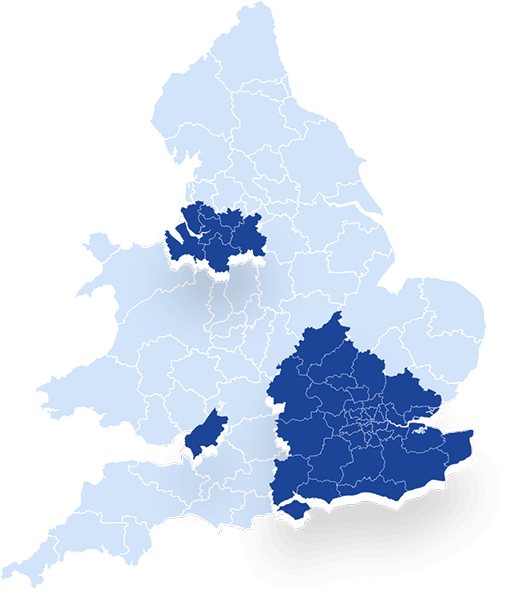
Wool rugs over stone are common here and they are the item most often damaged by well-meant cleaning, needing controlled moisture and proper drying, which is the work at experienced deep carpet cleaning in Virginia Water. Range cookers and double ovens are dealt with by soaking rather than scrubbing, described at affordable oven cleaning services in Virginia Water. Hourly charging applies to the household visit itself, with the length agreed against the zoned plan. Households further south are served through a local professional, a tenancy ending in that area falls under end of tenancy cleaning specialists in Haslemere, and the full range of domestic services is listed at cleaning services for rented property.