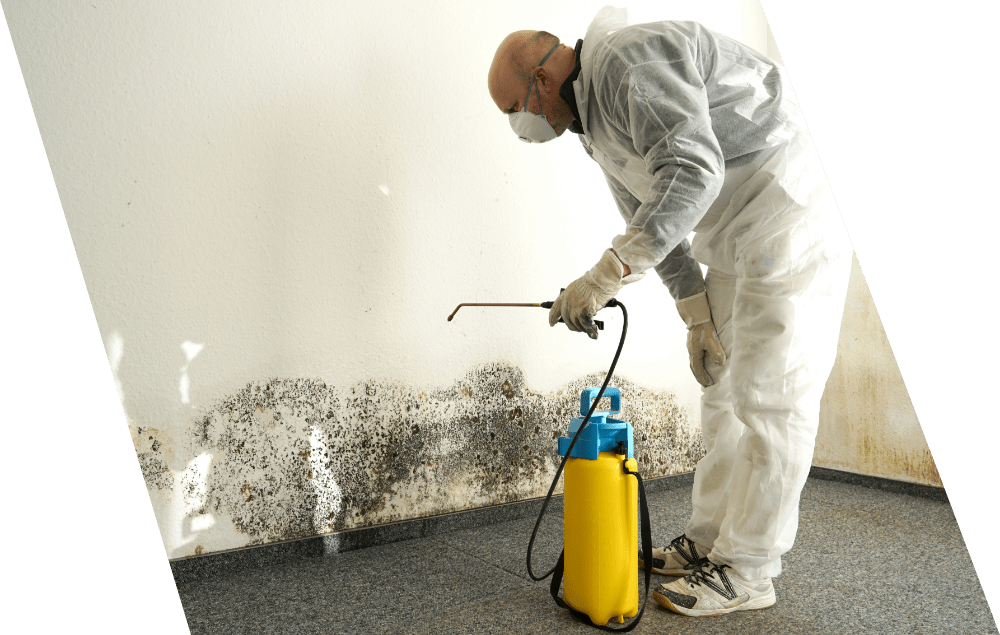
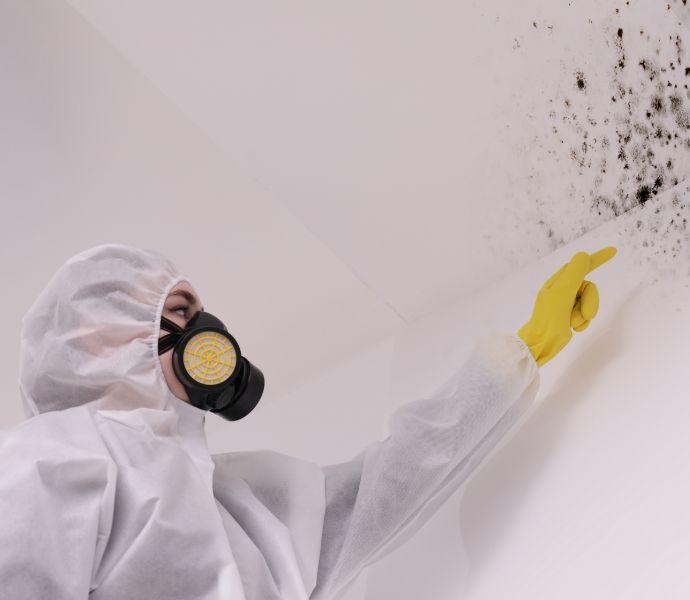
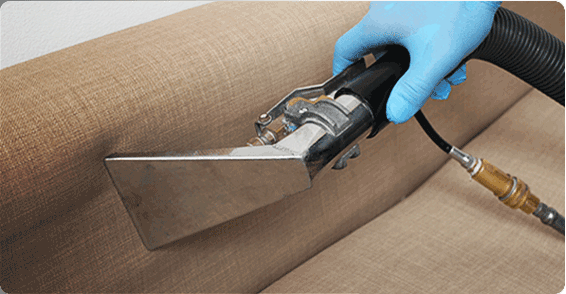
Our mould removal service in Paddington begins with a comprehensive inspection and moisture assessment to determine the extent of mould contamination and its underlying causes, such as condensation, high humidity, poor ventilation, and water damage. Identifying the source of mould is crucial for achieving effective and lasting results. Our team will thoroughly evaluate your property to pinpoint areas where mould thrives, ensuring we address the root issue. The mould cleaning process involves treating structural surfaces, including walls, ceilings, and floors, where mould is most commonly found. However, please note that soft furnishings like carpets, sofas, and textiles are not included in our treatment.
In addition to effective mould removal in Paddington, our mould remediation service goes above and beyond standard surface cleaning by targeting airborne mould spores and implementing measures to prevent future growth. This process significantly enhances indoor air quality, protects your health, and prevents potential structural damage. Our skilled technicians employ advanced techniques for damp and mould removal, ensuring a safe living environment free from harmful mould spores. By prioritizing condensation control and maintaining healthy indoor conditions, we guarantee long-term protection from mould reoccurrence and safeguard your property for years to come.