Mould Removal and Remediation Kilburn
Advanced mould treatment specialists providing safe and thorough mould removal with guaranteed long-term results.

Advanced mould treatment specialists providing safe and thorough mould removal with guaranteed long-term results.
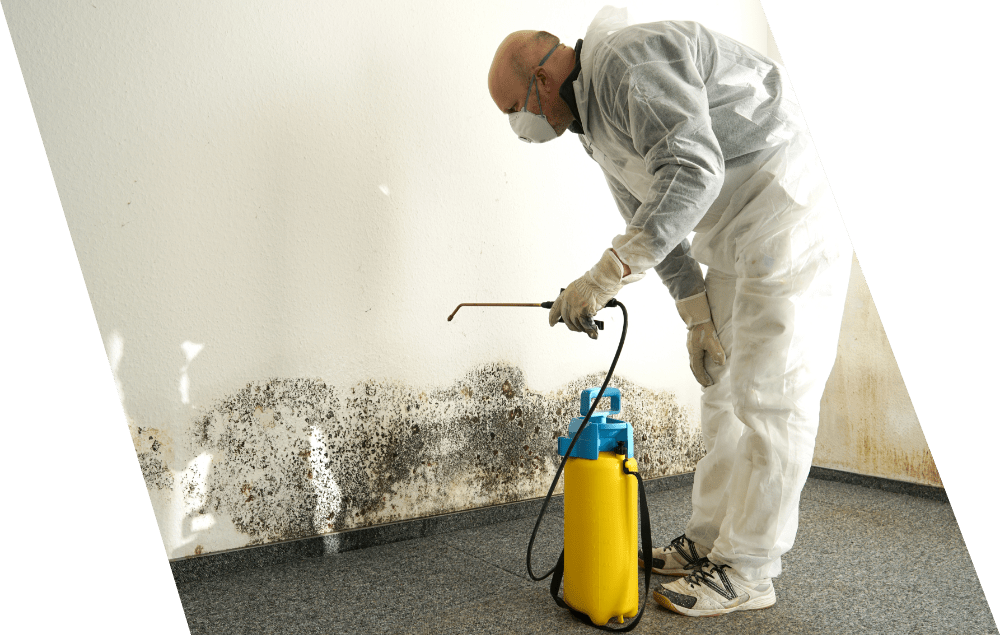
The cost of mould removal depends on the size of the affected area and the type of treatment required. After a detailed inspection a clear, personalised quote is provided based on the scope of work.
| Small mould area (e.g. around a window or corner) | Medium mould area +£100 (large section of a wall affected) | Large mould area +£150 (more than one wall or ceiling) | ||||
|---|---|---|---|---|---|---|
| Room | Standard | Fantastic Club* | Standard | Fantastic Club* | Standard | Fantastic Club* |
| Bedroom | £350 | £320 | £450 | £420 | £500 | £470 |
| Bathroom | £350 | £320 | £450 | £420 | £500 | £470 |
| Kitchen | £350 | £320 | £450 | £420 | £500 | £470 |
| Living / Dining room | £350 | £320 | £450 | £420 | £500 | £470 |
| Hallway / Landing | £350 | £320 | £450 | £420 | £500 | £470 |
| Utility room | £350 | £320 | £450 | £420 | £500 | £470 |
| Paid inspection | £50 | |||||
| *Price for members of the Fantastic Club. The Fantastic Club is a yearly subscription of £89. | ||||||

In Kilburn, effective mould removal requires understanding the factors that contribute to fungal growth. Mould cleaning involves not only the removal of visible signs but also comprehensive mould remediation Kilburn. This process starts with identifying root causes such as high humidity, inadequate ventilation, and water damage. Professionals use advanced equipment to assess environmental conditions, taking precise measurements of moisture levels and ventilation effectiveness. This detailed analysis aids in controlling condensation and establishing a proper moisture balance, which is crucial for long-term mould prevention.
When undergoing mould remediation in Kilburn, the focus is on more than just eliminating existing mould. Experts treat affected walls, ceilings, and floors, while typically excluding soft furnishings from the remediation process. This thorough treatment aims to prevent mould from returning by addressing the underlying moisture problems effectively. By prioritizing mould prevention alongside remediation, inhabitants of Kilburn can safeguard their homes against future mould issues.
Mould remediation in Kilburn follows a structured process starting with thorough inspections to assess the level of contamination. HEPA air filtration systems are deployed to enhance air quality, capturing mould spores during the remediation process. Controlled treatment techniques are pivotal in ensuring that every corner is addressed, while HOCl treatment provides a safe yet effective solution for neutralising mould, promoting a healthier indoor space.
For even treatment distribution, we utilize ULV fogging technology, which enables us to reach all surfaces and air spaces effectively. Our physical mould removal involves deploying professional equipment with H-Class filtration, ensuring that contaminants are effectively removed from your environment. The final steps in our process include rigorous air cleaning and implementing long-term protective measures against mould regrowth. By choosing our mould removal services in Kilburn, you will experience enhanced air quality, prevention of future mould growth, and overall long-term stability of your property.

Booking mould cleaning is quick and designed to get results without unnecessary delays.
Share what you’re dealing with, whether it’s visible mould, damp patches, or a recurring problem. This helps determine the right approach, from mould cleaning to full mould remediation.
A specialist checks the affected areas and identifies what’s causing the mould, such as excess moisture, condensation, or poor ventilation. This ensures the issue is treated properly, not just on the surface.
You’ll get a straightforward quote based on the level of contamination and the type of mould removal required. The service is tailored to ensure effective results and long-term protection.
The treatment removes mould and improves indoor air quality, helping to prevent future growth and create a healthier living space. It also targets the root cause of the problem for longer-lasting results.
Mould removal requires more than basic cleaning, which is why it’s handled by trained mould remediation specialists experienced in treating both visible and hidden contamination. Each specialist assesses the full extent of mould growth, including underlying causes such as excess moisture, condensation, and ventilation issues, ensuring the problem is addressed properly rather than just on the surface.
Number of bookings: 298
With Fantastic Services for: 3 years
Other specialities:
Number of bookings: 214
With Fantastic Services for: 3 years
Other specialities:
Number of bookings: 123
With Fantastic Services for: 2 years
Other specialities:
Alongside professional mould removal and mould cleaning, a range of additional property care services is available to help maintain a healthier indoor environment.




















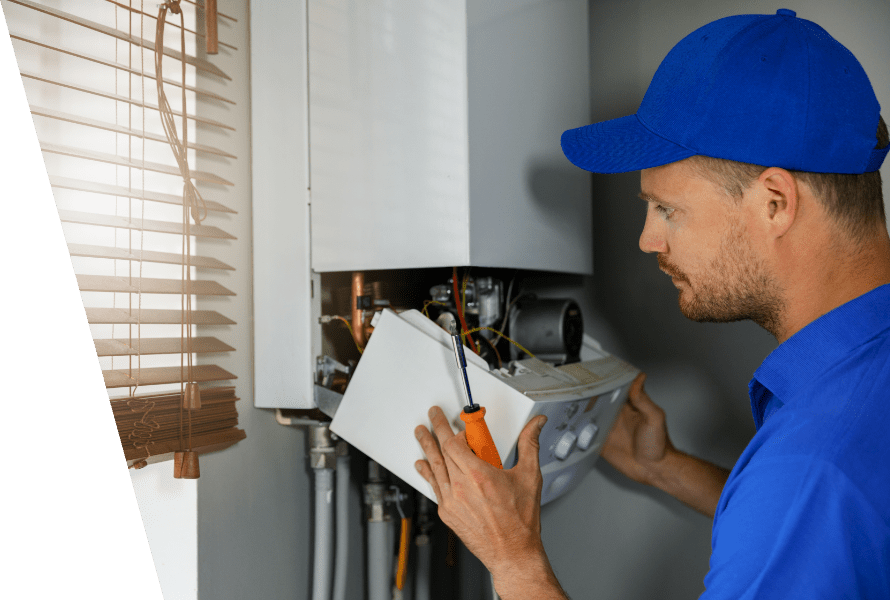


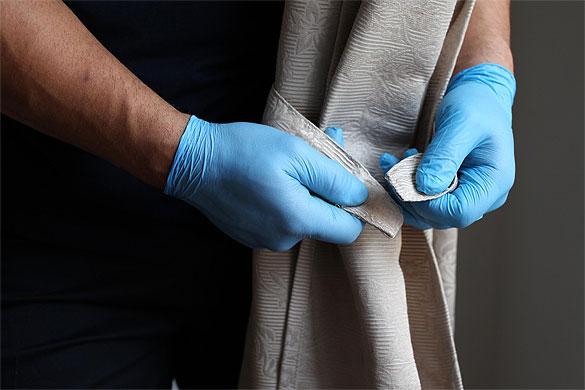



Mould can spread quickly and impact both health and property if not treated in time. Book a service today to remove mould, improve indoor air quality, and restore a cleaner and healthier living environment.
Very few walls arrive at a first inspection in their original state. Most have a history: patched plaster, a band of newer paint that stops in an odd place, filler over a crack, a section that sounds different when it is tapped. Reading that history is a large part of diagnosing mould in the long-subdivided terraces and flats above shops around Kilburn, because what was done before, and how long ago, usually explains what is happening now.
Certain signs are unmistakable once known. A rectangle of fresher paint in one corner of a room, brushed rather than rolled. A patch of plaster with a slightly different texture and a visible edge under the paint. Two or three coats more paint in one area than another, visible where a fixing has been removed. Filler pressed into the angle between wall and ceiling. Each says that somebody has dealt with this spot cosmetically, and the fact that growth has returned through it says that the cosmetic work was the whole of the previous remedy.
A sound plaster surface rings when tapped; one that has lost its bond to the masonry sounds hollow and flat, and the boundary between the two can be mapped by ear in a couple of minutes. Where a repair has been made over a wall that was still wet, the new material will usually have failed at its edges, so a fine crack runs around the patch. Paint that has been applied over growth rather than after its removal lifts in flakes with dark material on the reverse, which is visible the moment a corner is eased up.
Anti-mould and stain-blocking coatings have a place as the final stage of a completed job. Applied to a cold, damp wall as the only intervention, they delay the reappearance of growth by a season and no more, and they often make the eventual repair harder, because a sealed film over damp plaster holds the moisture in the wall. A room where the last two redecorations have both used a specialist coating and both failed is not a difficult case; it is a case where nobody has yet addressed the temperature of the wall or the water reaching it.
The building's history usually sits in somebody's memory rather than in any document. When was the room last decorated and by whom? Was there building work, a leak, a period when the flat was empty? Was the ceiling ever down? Has the property changed hands or changed tenants since the problem started? In stock that has been subdivided and re-let many times, the answers are partial, and the wall has to supply the rest. Where a flat sits above commercial premises, a change of use below is frequently the missing piece.
A first occurrence on sound plaster is a wash, a treatment and attention to conditions. A third occurrence through two previous repairs, on plaster that sounds hollow over half the wall, is a stripping and replastering job whatever anybody would prefer, because nothing applied to that surface will hold. Establishing which of the two is in front of you is the point of reading the wall, and it is also what a landlord or a leaseholder needs on record when responsibility is in question. The order of assessment, removal, drying and reinstatement is set out under our mould removal and remediation service.
Anything known about previous work is worth saying at the start, including approximate dates and photographs if the household has them, since a picture of the same wall three winters ago is genuinely useful evidence. Furniture is pulled clear and pictures taken down beforehand so that the whole surface can be tapped and read. Charges cover the inspection, then the treatment or replastering by the area involved, which is why an accurate history reduces the cost of the survey stage. Making good, refixing trims and hanging pictures back is work for a local professional; laundering and cleaning contents affected by an older episode is the kind of task the cleaning services team in St John's Wood handles; our nearby specialists deals with activity found behind a failed patch; and our Queen's Park team covers the same forensic approach in the streets to the west.
Skip the line, request and
book a service online