This trade runs on a calendar. Enquiries are scarce in July and arrive in numbers from late October, peaking in the weeks after the clocks change, and the reason is straightforward: the problem is caused by the relationship between warm humid indoor air and cold surfaces, and that relationship only exists for part of the year. In the large houses and converted flats around Brondesbury, understanding that timetable changes both when the work gets done and how well it holds.
Why the problem disappears in summer
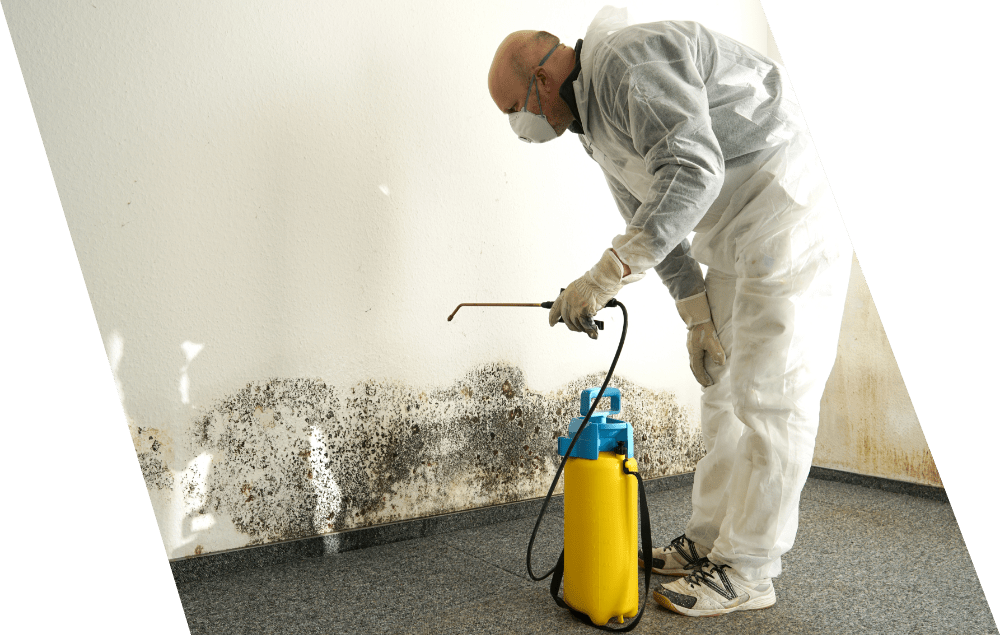
Through the warmer months, wall surfaces are close to room temperature, so there is nowhere for moisture to settle. Existing colonies stop growing and dry out, and the visible spotting fades slightly, which householders reasonably interpret as improvement. Nothing has been fixed. The material is still in the plaster, the wall will cool again in October, and growth resumes from where it stopped. A wall that looked as though it had recovered by August is often worse by December than it was the previous winter.
The best and worst times to do the work
The worst time to carry out remediation is the middle of winter, because drying is slower, ventilation is unpleasant, rooms cannot be left open and any fabric repair has poor conditions to cure in. The best time is late spring and summer, when a wall can be opened, dried and finished properly, and when an unused room can be aired for weeks. The difficulty is that nobody thinks about it then. A household that notes the affected areas in February and books the work in May gets a better result for less money.
What to do in the season itself
Where work cannot wait, winter treatment is still worthwhile, but it is planned differently: mechanical drying rather than open windows, a longer interval between removal and finishing, and an expectation that final decoration waits until conditions improve. It is also the right time to gather evidence, because the problem is visible and measurable. Readings taken in the coldest week are the most useful ones anybody will get, and they inform what is done later. The framework for that assessment is set out under fully insured mould removal and remediation.
A season of monitoring rather than a single visit
For a recurring problem, the sensible arrangement spans a year. An initial survey in the season when it shows; immediate treatment and whatever interventions can be made straight away; remedial building work in the warm months; a check in late autumn before the cold sets in; and a review in the depths of winter to confirm that the affected surfaces have stayed clear. That cycle costs less in total than three emergency visits in three consecutive Februaries, and it produces a record that is worth having.
Keeping a record between visits
A household that leaves a hygrometer in the worst room and notes the reading occasionally, along with the date anything reappears and where, provides better information than any single inspection. In a large house divided into flats, the pattern across different flats is informative too, since the flats that report first are usually the ones with the most exposed walls, and that tells you where the fabric work needs to be concentrated. Adjusting doors, fitting vents to cupboards and sealing redundant openings between visits is modest work and belongs with handyman services in North West London.
What each stage of the programme involves
The survey stage is charged as a visit and produces the plan. Treatment is charged by the area and materials involved, and any drying by the number of days plant is on site, so a programme spread over a year is quoted stage by stage rather than as a single figure. Before the autumn check, the household is asked to leave any new spotting in place and to have the previously affected walls clear of furniture. A full clean once the remedial stage is finished is the kind of job cleaning services team in Mill Hill takes on, professional flea treatment in North West London deals with pest activity uncovered along the way, and mould removal team in Queen's Park applies the same seasonal approach to properties in the streets immediately west.