Water arrives without warning in this part of SE24, and carpets are usually the first casualty. Herne Hill sits on low ground where a culverted watercourse once ran, and the combination of surface-water flooding, garden flats below pavement level and ageing plumbing in converted houses means escape of water is a routine event rather than a rare one. What happens in the first twenty-four hours decides whether a floorcovering is salvageable or a write-off, and that decision is made on where the water came from, not on how much of it there was.
Clean, grey and black water
Water from a burst supply pipe or an overflowing tank is clean, and a carpet soaked in it can usually be dried in place and cleaned afterwards. Water from a washing machine, a dishwasher or a shower tray carries detergent, food residue and bacteria; it is recoverable but only with disinfection and often with new underlay. Water that has come up through a gully, off the street or from a foul drain is contaminated and the floorcovering goes. Nobody enjoys hearing that, but drying contaminated material in a living room simply relocates the problem into the air.
The first day matters more than the next week
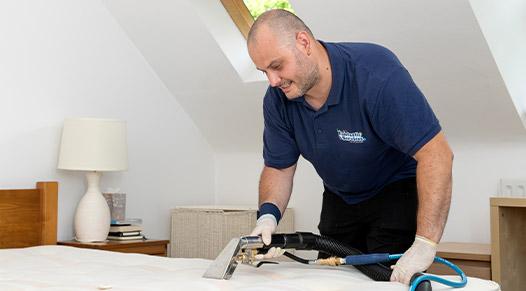
Standing water is extracted with a weighted wand that pushes water out of the backing rather than skimming the surface. Underlay holds several times its own weight and is lifted, inspected and usually discarded in anything other than a clean-water event. Air movers are then set to push air under and across the pile, with a dehumidifier in the same closed room to take moisture out rather than move it next door. Left more than two days, growth begins in the backing and the smell becomes permanent.
Basement and garden flats need extra thought
Below-ground rooms have no easy drainage and often poor ventilation, so wet material cannot simply be aired. Skirtings may need a board lifted to check whether water has run under the floor rather than sitting on it. Timber sub-floors trap water in the void and read dry at the surface while staying saturated underneath, which is why meter readings are taken at several depths. Where damage extends to plaster, doors or fittings, the repairs afterwards fall to handyman across Herne Hill rather than to a cleaning visit.
Dealing with what is left behind
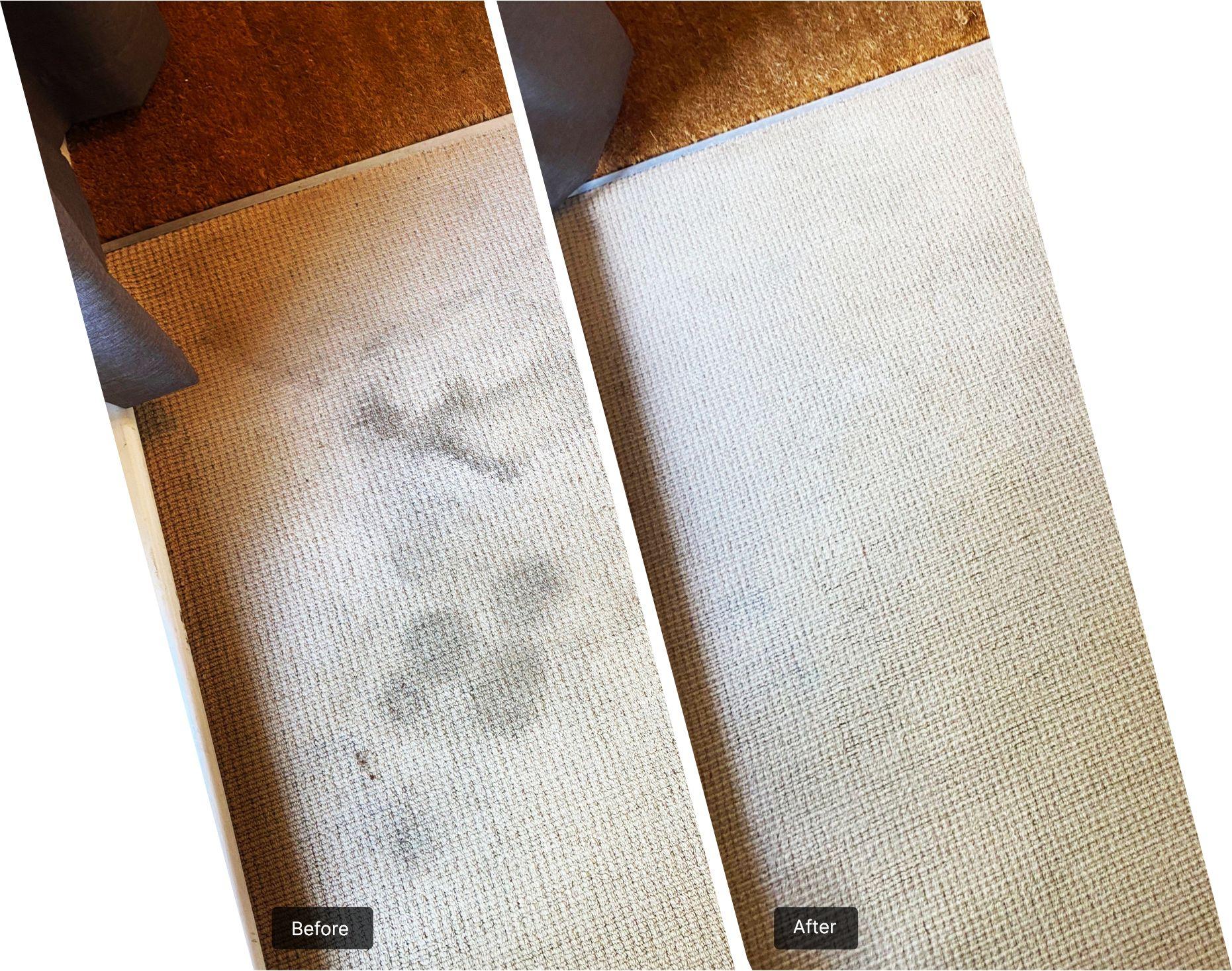
Once the structure is dry, the carpet still needs cleaning: silt, detergent residue and tide marks at the edges of the flooded area all remain. Tide lines are pulled out with extraction feathered well beyond the mark so no hard edge is left. Where rooms are being emptied to allow drying, the furniture has to go somewhere, and a short local move arranged through our nearby specialists is usually simpler than stacking everything into one room.
Routine cleaning between incidents
Not every job here is an emergency. The same houses have ordinary hallway soiling and stair wear, and regular maintenance keeps a carpet in good enough condition to be worth saving when water does arrive. Households booking that work often combine it with our local team, while properties needing periodic wider attention turn to Herne Hill professional cleaners. Streets uphill have different problems altogether, which is why the emphasis of carpet cleaning team in Sydenham sits on wear rather than on water.
What to do before anyone arrives
Turn off the supply if it is a plumbing failure, lift what can be lifted, and take photographs for the insurer before anything is moved. Put foil or plastic under furniture feet, since wooden legs on wet pile leave a stain within hours. Charges for water work reflect equipment left on site and the number of drying days rather than floor area alone, and readings are logged each visit so drying is confirmed rather than assumed. General fibre and construction notes are on carpet and rug cleaning services UK.