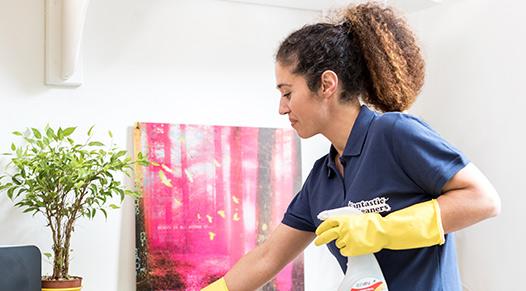
A carpet is a filter. It holds house dust, skin cells, pollen, pet dander and the fine particulate that comes in off a busy road, and it keeps all of it out of the air in the room until something disturbs it. For a household in Peckham with an asthmatic child, that is either an advantage or a problem depending entirely on how often the filter is emptied.
What lives in an unmaintained pile
House dust mites feed on shed skin and need humidity above roughly half to survive. They congregate in bedding, upholstery and the base of a carpet, and it is a protein in their waste rather than the creature itself that provokes a reaction. Alongside them sit pollen brought in on clothing, fungal spores and combustion particulate from the street. None of it is visible, and none of it is removed by a quick pass with a tired vacuum.
Why the vacuum matters more than the machine that follows
A vacuum without sealed filtration collects large debris and blows the fine fraction straight back into the room, which is the opposite of what an allergic household needs. A sealed unit with a high-efficiency filter, used slowly enough to let the beater bar work, removes far more. Twice a week on the routes people use, and once a week elsewhere, does more for indoor air than any annual treatment on its own.
What hot extraction adds
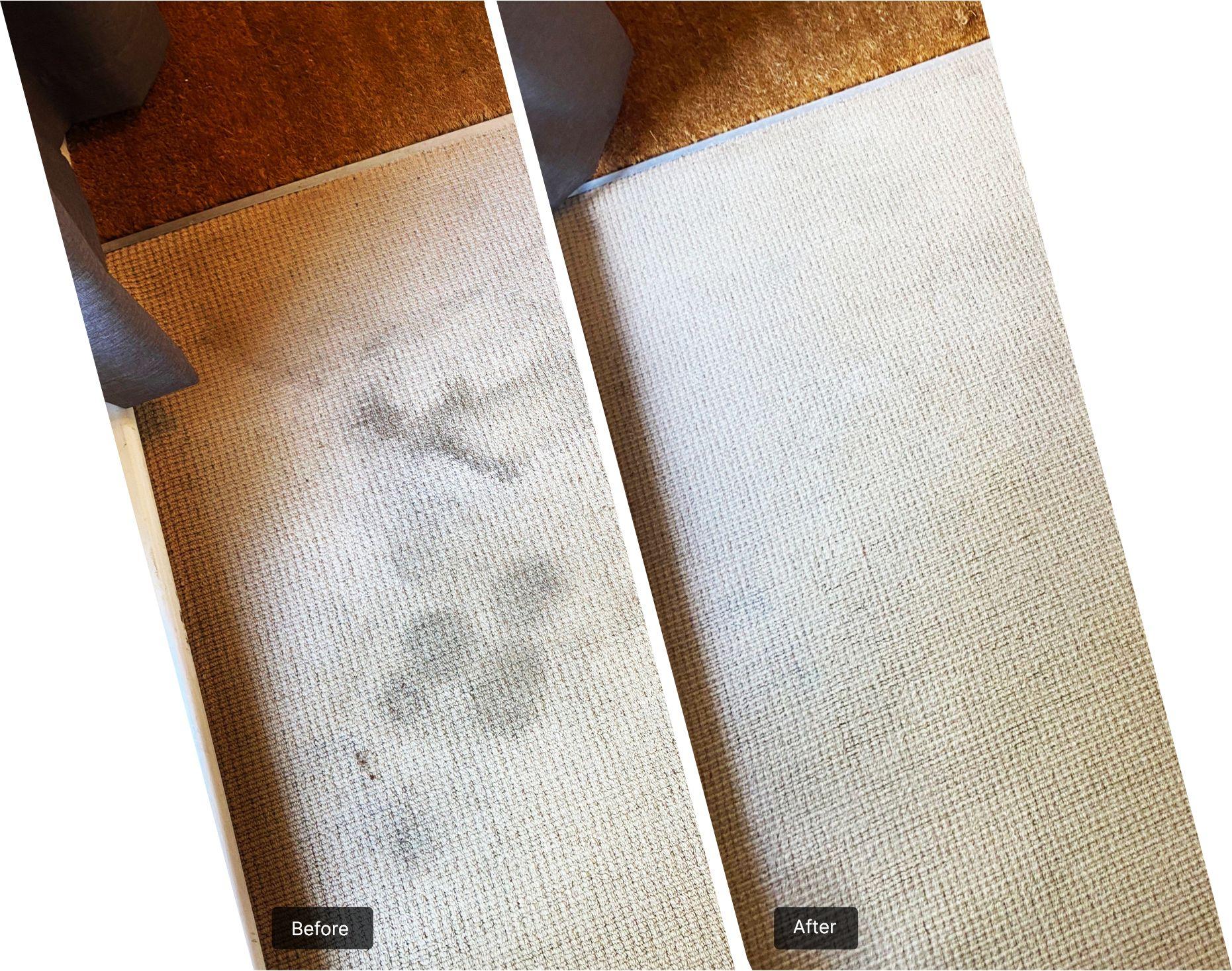
Water at high temperature flushes the base of the pile and physically removes mites, their waste and the accumulated organic material feeding them. It reaches depths no vacuum can, and the effect on the allergen load in a room is immediate. The important condition is that the floor must then dry quickly: a pile left damp for a day raises local humidity and creates precisely the conditions that mites prefer.
Humidity, ventilation and small flats
Much of the flatted housing in the area is warm, full and not especially well ventilated, and drying laundry indoors pushes humidity higher still. Keeping it down helps far more than any product: extractor fans used while cooking and bathing, trickle vents left open, and furniture kept a little away from cold external walls. Floors are only one part of that picture, though they are the part most people notice.
Timing and the rest of the household routine
Annual deep cleaning suits most homes; households with allergies or animals benefit from twice a year, concentrating on bedrooms rather than reception rooms, since that is where the most hours are spent. Regular housework in between makes a considerable difference and is arranged through the team covering Nunhead. Everything else available locally is grouped under Fantastic Services.
Carpet or hard floor for an allergic household
The received wisdom is to rip the carpet out, and it is only half right. A hard floor holds nothing, which means the particles that land on it are resuspended into the air by every footstep until they are swept away. A carpet traps them and keeps them out of the breathing zone, but only for as long as it is emptied regularly; left unmaintained it becomes a reservoir that releases its contents whenever it is walked on. Either choice works if the routine matches it, and the worst outcome is a neglected pile in a room with the window permanently shut. The material background sits on Fantastic Services.
Arranging the visit
Pricing is by room and measured area, with bedrooms often quoted on a shorter cycle than the rest of the house. Beds are moved where it is safe to do so, since the floor beneath one is rarely vacuumed and is usually the most heavily loaded area in the room; where a bed cannot be shifted, a house move is the natural opportunity, and transport for that is handled through same-day man and van services in Peckham. A neighbouring round takes in Nunhead steam carpet cleaning on other days.