Expensive finishes are easy to damage and expensive to put right, which is the quiet risk in a Henley check-out. Rented property in RG9 skews towards well-specified interiors: honed stone worktops, unlacquered brass taps, oiled oak floors, hand-painted joinery, limewashed walls in converted outbuildings. Every one of those materials reacts badly to a product that would be perfectly safe on a laminate worktop and a chrome mixer, and the damage shows up under the first strong light.
Stone worktops and the acid problem
Marble and limestone are calcium-based and dissolve on contact with acid, which includes most bathroom cleaners, most limescale removers and anything citrus-based. The mark left is an etch, not a stain: the surface has gone, and no amount of further cleaning brings it back. Honed and polished stone is cleaned with a pH-neutral product, dried rather than left to air, and resealed periodically by the owner. Quartz composite tolerates more, though strong alkalis will still dull its resin binder over time.
Brass, bronze and living finishes
Unlacquered brass and aged bronze taps are specified precisely because they develop a patina, and a tenant who has polished one back to bright yellow has altered the fitting rather than cleaned it. Those finishes are washed with soapy water and dried, nothing more. Matt black and powder-coated fittings scratch and chalk if a cream cleaner is used, and the damage is very obvious against a dark surface.
Oiled timber, waxed boards and painted joinery
An oiled floor is maintained with a soap made for oil finishes, not a detergent, which strips the oil and leaves pale patches along the traffic route. Hand-painted kitchens use an eggshell finish that burnishes to a shiny patch if scrubbed, so marks are lifted with a mild solution and a soft cloth. Knowing which finish is which usually requires asking rather than guessing, and it is a reasonable question to put to a managing agent before the day.
Riverside damp and seasonal conditions
Properties on the low ground near the river hold humidity, and cellars, boot rooms and ground-floor bathrooms show it first. Spotting in sealant, a musty note in a cupboard against an external wall and a bloom on leather furniture are all seasonal rather than evidence of neglect, and they are treated with fungicidal products and ventilation rather than with force. Leather in particular is cleaned and fed rather than washed, since a detergent strips the surface dressing and leaves a patchy finish that is worse than the bloom was. Cellar steps and the underside of a ground-floor window sill are the two places where the first signs usually appear.
Access in a town of narrow frontages
Period houses along the older streets open straight onto the pavement, parking is restricted, and many properties are listed or sit within a conservation area. Equipment has to come in through a single front door and up a stair that was built for a different century, which affects how long the day takes and where a vehicle can stand while it happens.
Where separate trades fit
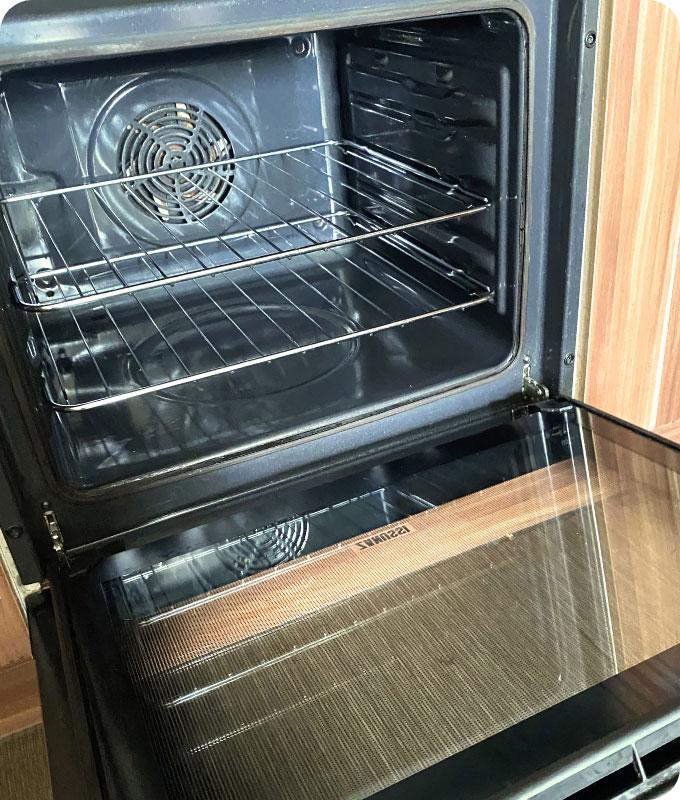
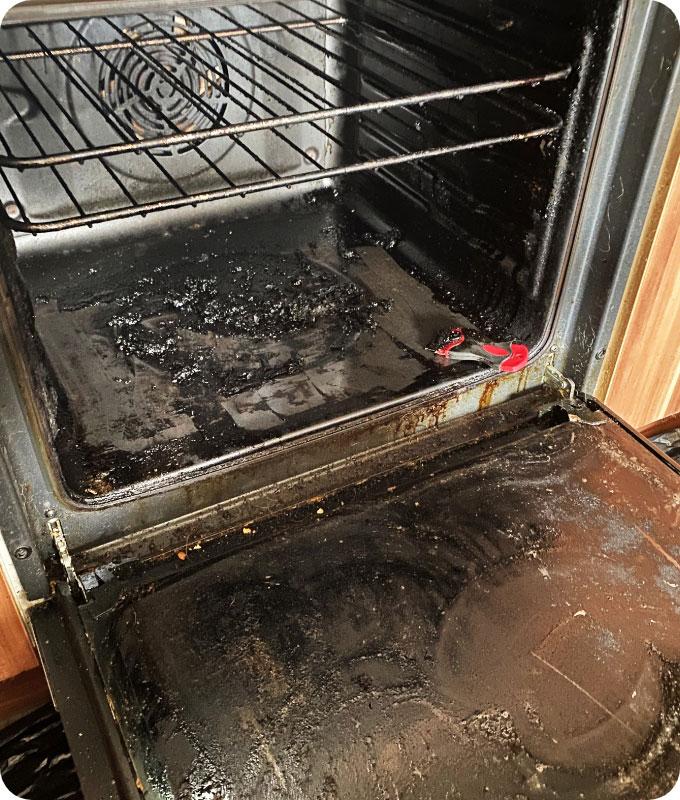
Carpets, rugs and upholstery are extracted with dedicated equipment and need genuine drying time, which is how trusted rug cleaning in Henley-on-Thames is arranged, and it is placed early in the schedule. Oven cleaning involves dismantling and soaking, so it is usually a distinct appointment of the sort run under Fantastic Services.
Arranging the clean
The specification is the fixed national list on end of tenancy cleaning services nationwide, applied with method adjusted to the materials in each property rather than with tasks removed. Pricing is by property size, bathroom count and furnishing rather than hours. It helps enormously if the agent confirms in advance which worktops are natural stone and which floors are oiled, since that determines what comes out of the van. The same list is delivered in the towns to the south under a local professional, and regular housekeeping between lets sits with cleaning services for landlords in Bracknell.