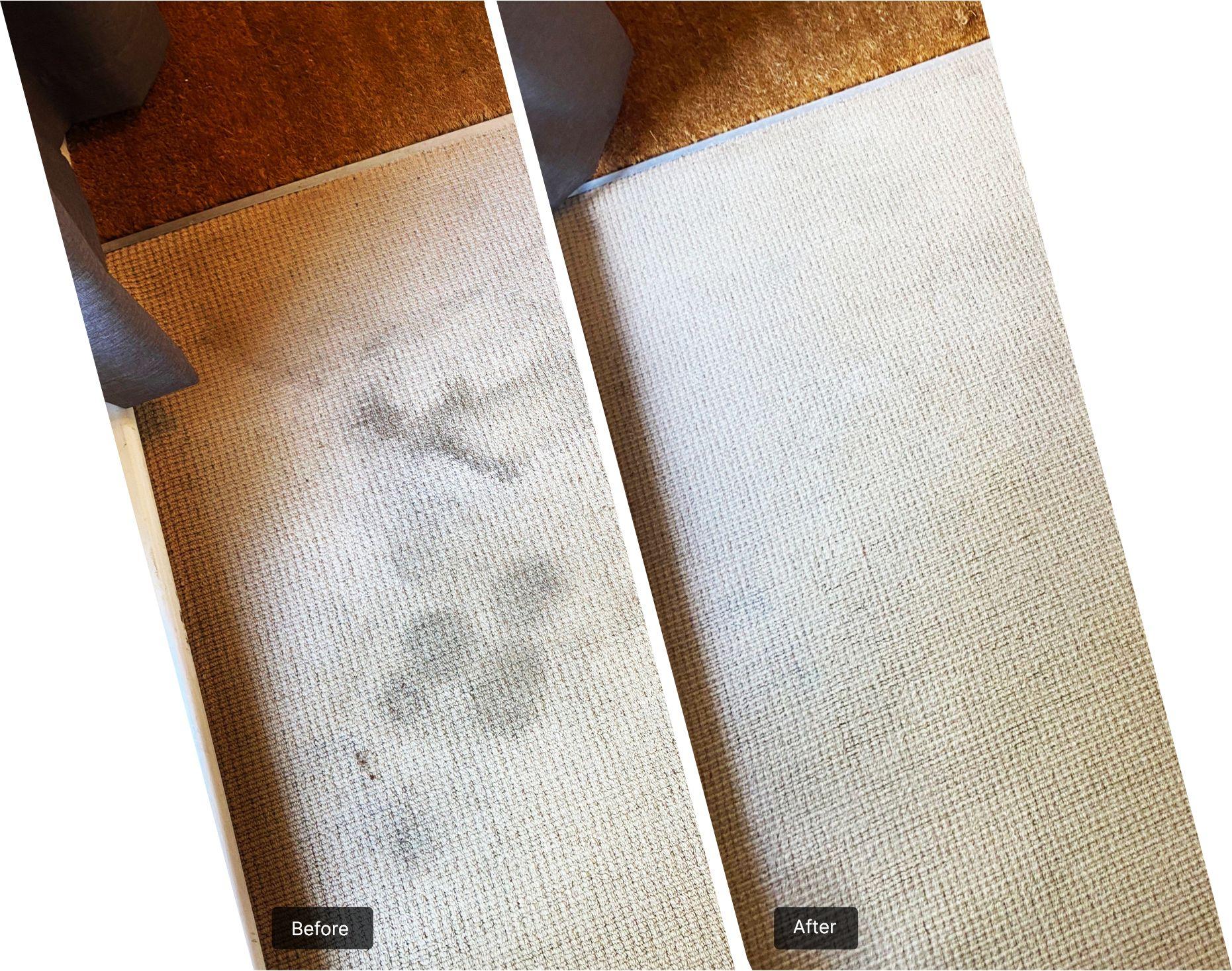
Some carpets come up looking almost new and some do not, and the difference is decided long before anyone arrives with a machine. In the older town houses and steep terraces of GU7 there is a great deal of floor covering that has been down for fifteen or twenty years, and a fair proportion of it is well made enough to be worth keeping. Knowing which category a particular carpet falls into, and saying so honestly, is the most useful thing that happens during an assessment.
What cleaning can and cannot recover
Soil comes out. Dissolved and re-deposited residue from years of retail shampoo comes out, given enough rinsing. Crushed pile partly recovers with grooming and heat. What does not recover is fibre that has been physically abraded until its surface scatters light, dye that has been stripped by bleach or by sunlight, cuts, burns and backing that has begun to separate. A carpet can therefore be entirely clean and still look tired, and confusing those two outcomes is the source of most disappointment.
Wear, crush and shading
Three distinct things are routinely reported as dirt. Wear is loss of fibre and is permanent. Crush is fibre bent flat under weight, which often lifts with moisture and grooming, particularly the marks left by furniture feet. Shading is fibre lying in different directions within an unworn carpet, which changes how it reflects light and will not change back. Identifying which of the three is present in each area at the outset sets a realistic expectation, and the range of constructions and what each is capable of is set out under carpet and rug cleaning for rented property.
Sun fade in a south-facing room
A bay window in an older house throws a lot of light onto one strip of floor, and over years the dye in that strip degrades. The line is usually sharp, matching the shadow cast by a piece of furniture or the edge of a curtain. Nothing applied to the fibre restores the colour, because there is no colour left to recover. Where a carpet is otherwise sound, the usual answers are rearranging the room or accepting the mark; it is not something cleaning addresses.
Dust after work on an old house
Period property generates a particular residue when it is worked on: lime and gypsum fines, soot from an opened flue, and fine grit from cutting stone or brick. All of it settles into soft flooring and keeps resurfacing under footfall for weeks. Wet cleaning before it has been taken out dry sets it and can leave a pale bloom that will not wash out, so floors are scheduled after the fabric of the property has been cleared down through after builders cleaning throughout Godalming.
Steep streets and narrow frontages
A good many houses here sit on a slope with no parking outside and a front door reached from the pavement, which limits hose length and sometimes rules out a van-mounted system entirely. Portable equipment carried in, filled and emptied indoors is routine rather than exceptional, and it changes the timing of a job more than the result. Wider household work in the same properties is arranged through cleaning services team in Godalming.
Handovers a few miles away
Rented property in the surrounding towns turns over on a shorter cycle than the owner-occupied stock here, with floors needing to be done, dried and photographed inside a few days, which is why work for the end of tenancy cleaning team in Aldershot runs on a tighter schedule than a typical domestic booking.
Assessment, cost and aftercare
The visit opens with fibre identification, a check on the backing at an edge, and a room-by-room note of what is soil and what is wear, before any figure is confirmed. Pricing follows measured area, construction and condition, with stairs counted by flight. On an older carpet the recommendation may deliberately be a gentler method than the maximum available, because an aggressive clean can finish off a tired backing. Afterwards, grooming the pile in one direction and keeping traffic off until it is dry at the base makes a visible difference. The same approach is taken for carpet cleaning specialists in Farnham.