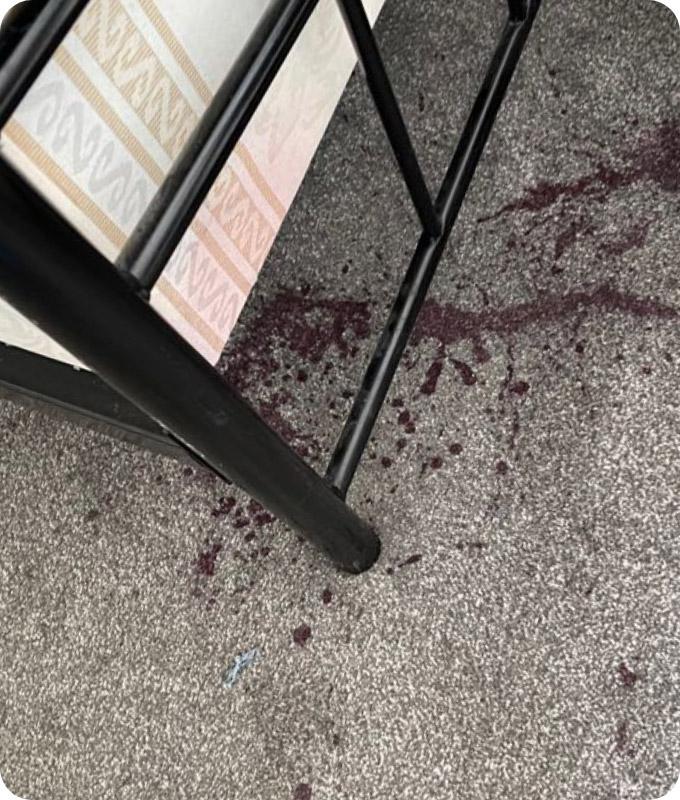
Stairs are where a carpet fails first, and a Georgian townhouse in BA1 usually has three or four flights of them. Every tread takes the full weight of a footfall concentrated on the front two inches, the nosing takes abrasion from the sole of every shoe, and the riser catches everything kicked up from below. A hallway carpet might see a few thousand steps a year; a staircase in a tall, narrow house takes many times that over the same span, on a fraction of the area.
Why a flight wears several times faster than a room
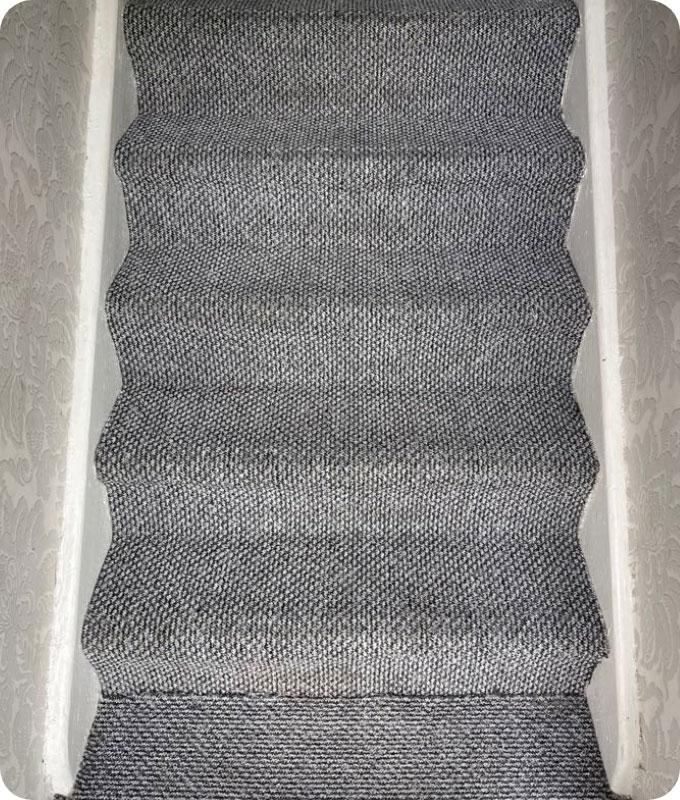
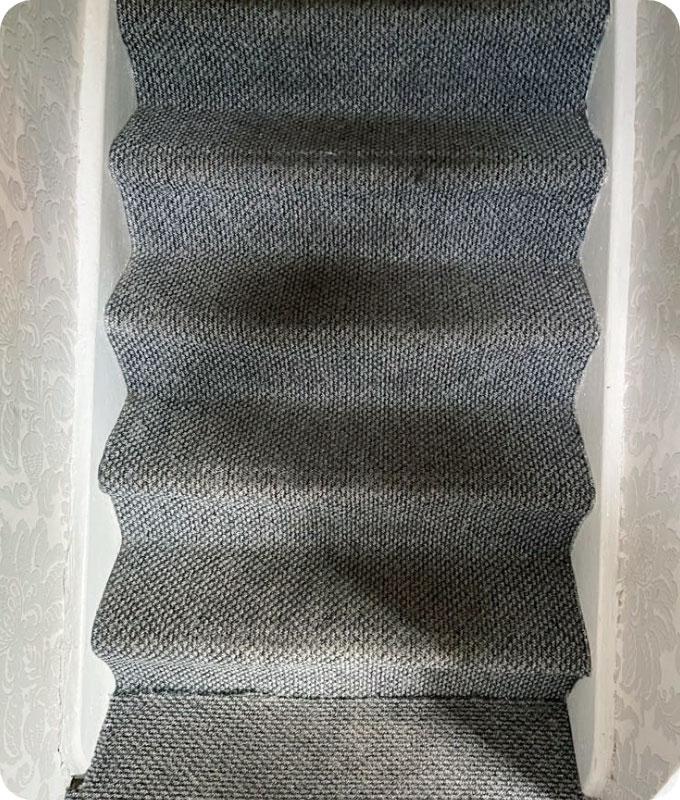
Wear on stairs is not spread evenly across the tread. It concentrates on the nosing, where the pile is stretched tight over a curved edge and has no depth to absorb pressure, so fibre is ground rather than compressed. Soil follows the same line. By the time the pattern is visible at the top of a flight it is usually well established lower down, and regular attention to that narrow strip extends the life of the whole run.
Cleaning a flight without soaking it
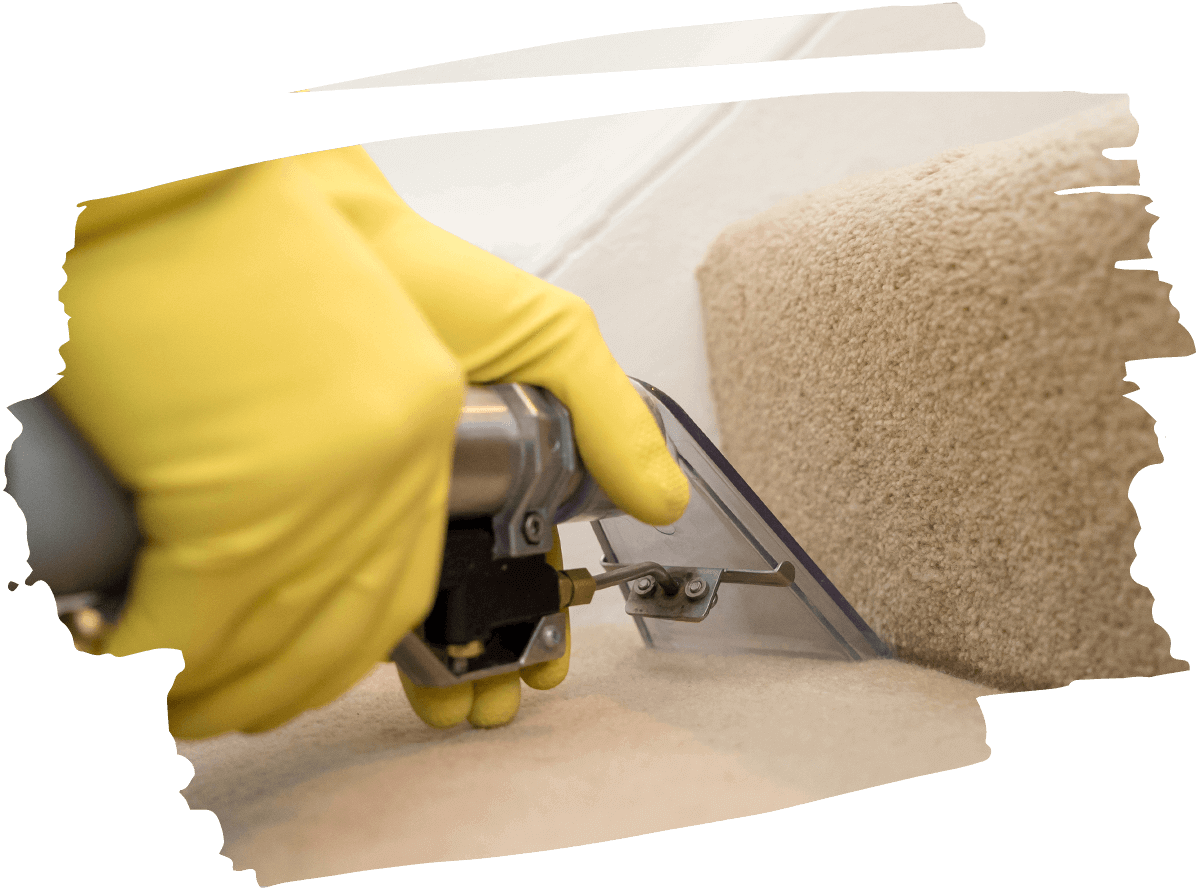
Stairs are done by hand with an upholstery tool, not with the machine used on flat floors, because a wand cannot follow a nosing and pushes too much water into the underlay at the back of each tread. Work runs from the top down, tread and riser together, with the vacuum head passed several extra times to recover moisture. Winders in a tall house are slower again, since the pile fans across the narrow end. The general approach is explained on carpet and rug cleaning services nationwide.
Pale carpet and the dust of a stone city
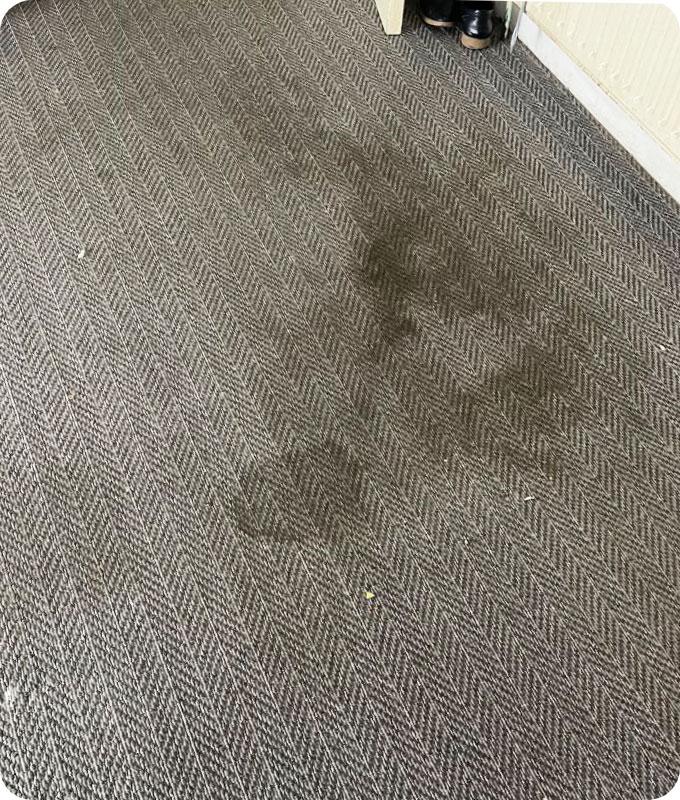
Bath stone is soft, and a city built from it produces a persistent fine pale dust that settles on everything and is tracked indoors. On a dark carpet it barely registers; on the light wool that suits these interiors it flattens the colour into something chalky and is often mistaken for fading. It vacuums out poorly because the particles are so fine, and it is one of the clearer arguments for extraction on a fixed schedule rather than on demand.
Short lets, students and quick turnarounds
A large share of the housing here is let, often in flats carved out of a single townhouse with shared stairs. Tenancy turnovers are compressed and the carpet is usually the last item on a long list. Where the clean needs to be evidenced for a deposit return, it makes sense to run it alongside fully insured pre-tenancy cleaning in Bath on the same day so that one set of dated photographs covers the whole property.
Carpet after work on a listed interior
Refurbishments in the centre generate lime and gypsum fines that sit at the base of the pile and reappear for weeks. Carpet work therefore follows the building clean rather than running in parallel with it, and anything still to be painted stays unpainted. The whole-property stage, including glazing, joinery and floors, is quoted separately as construction dust removal in Bath.
Drying a carpet in a tall house
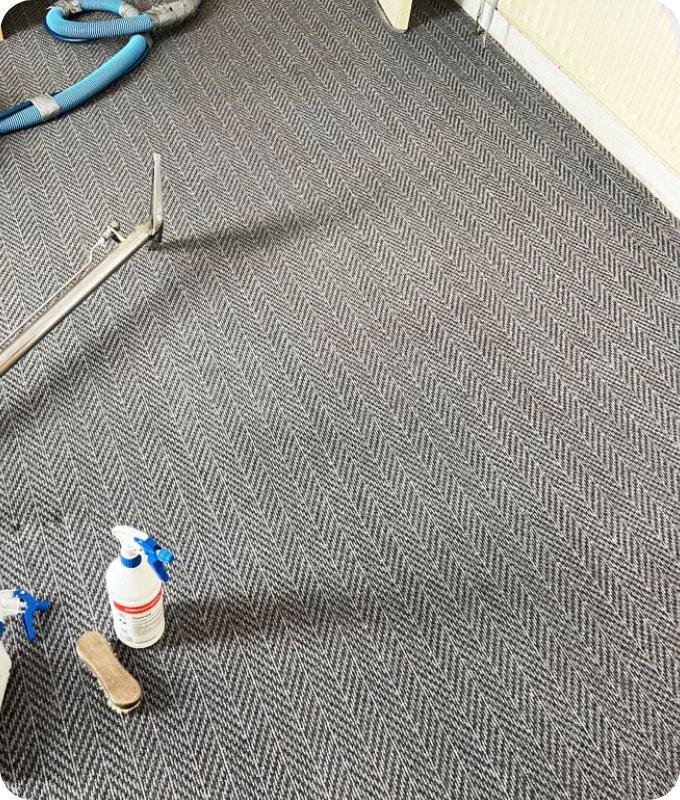
A four-storey house dries unevenly. Warm air rises through the stairwell, so the top floor dries quickly and the lower-ground rooms, which are often half below pavement level and naturally humid, take much longer. Air movement rather than heat is what shortens the wait, which means opening doors to create a through-draught and putting a fan at floor level. Close to the water the balance shifts again, and local carpet cleaning in Clevedon is planned around ambient humidity more than airflow.
What a booking covers
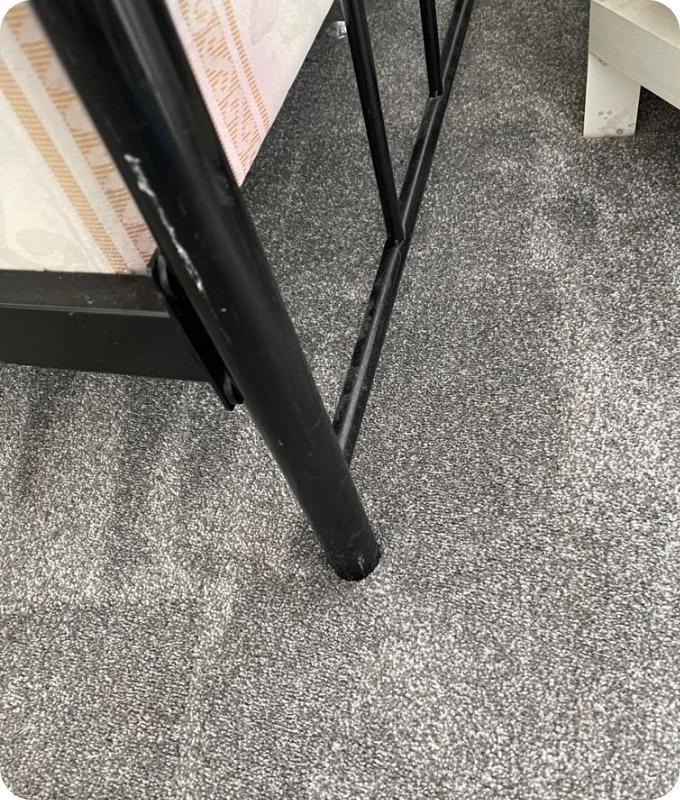
Charging is by room or by measured area, and a staircase is priced as its own item rather than folded into the landing, because hand work across treads and risers takes as long as a bedroom floor. Small furniture is moved and stood on protectors; anything needing two people stays put unless it has been shifted beforehand. Rooms want clearing of books, cables and anything fragile, and a working socket near the top of the house saves trailing leads up three flights. Allow several hours before a staircase is used in outdoor shoes, and hold the handrail while the pile is still damp.