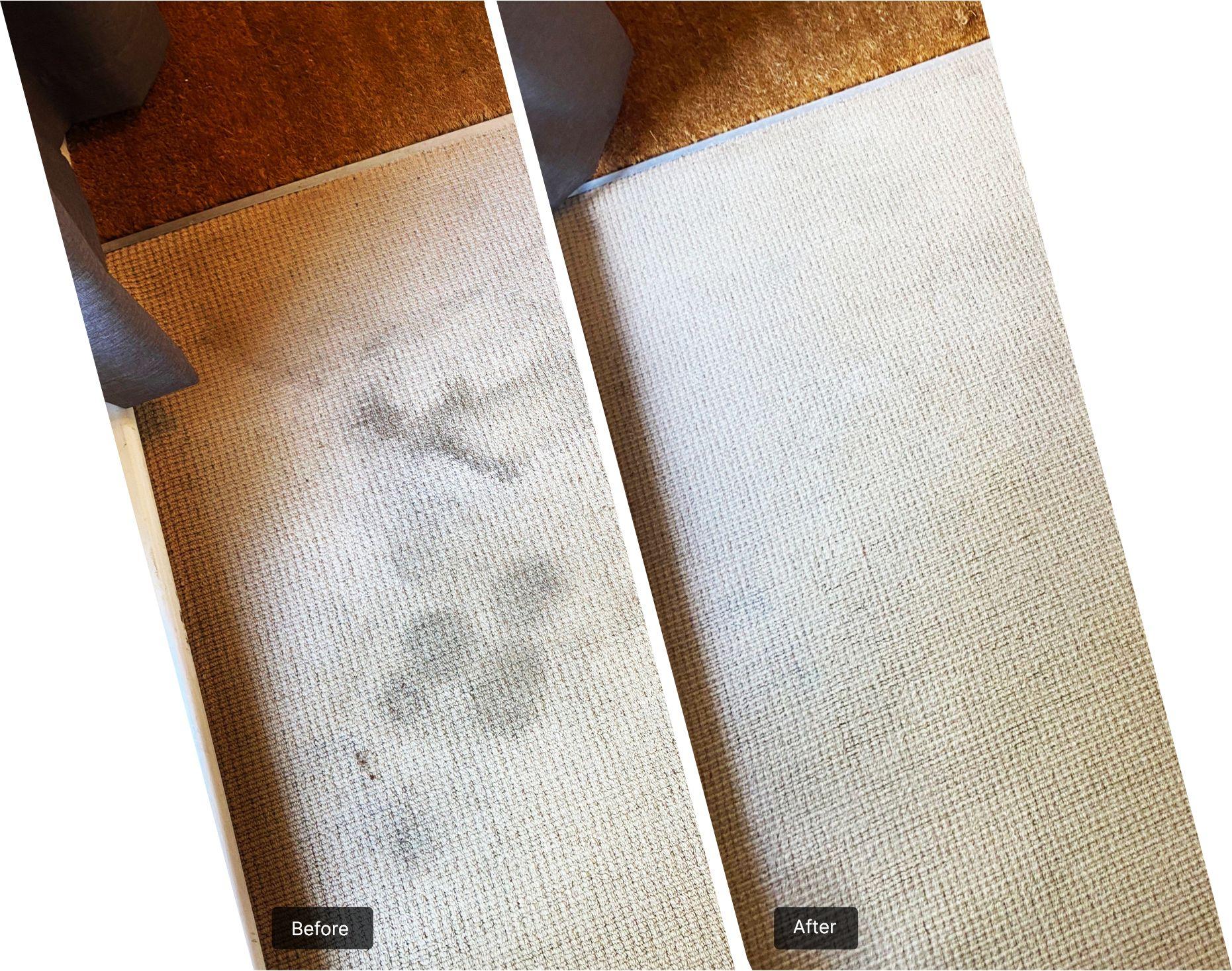
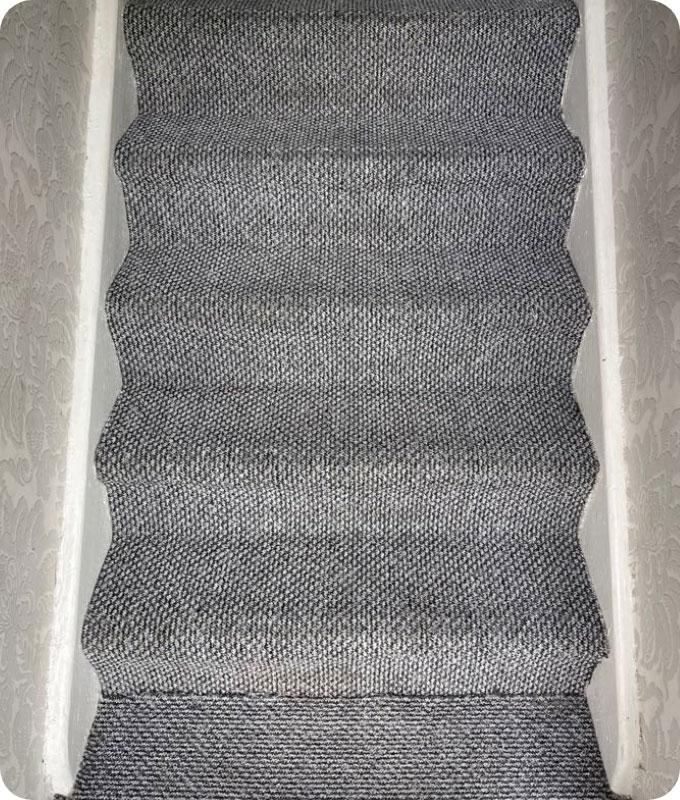
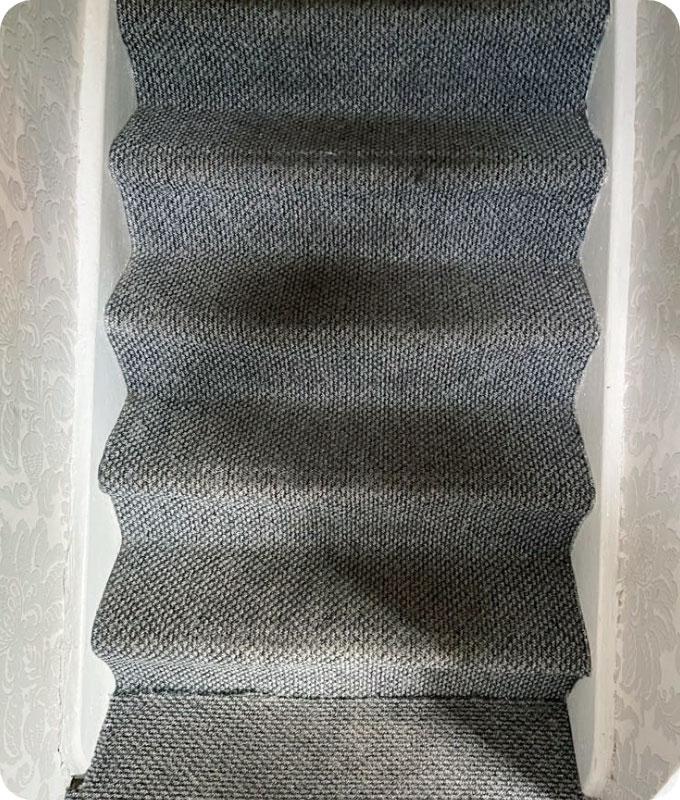
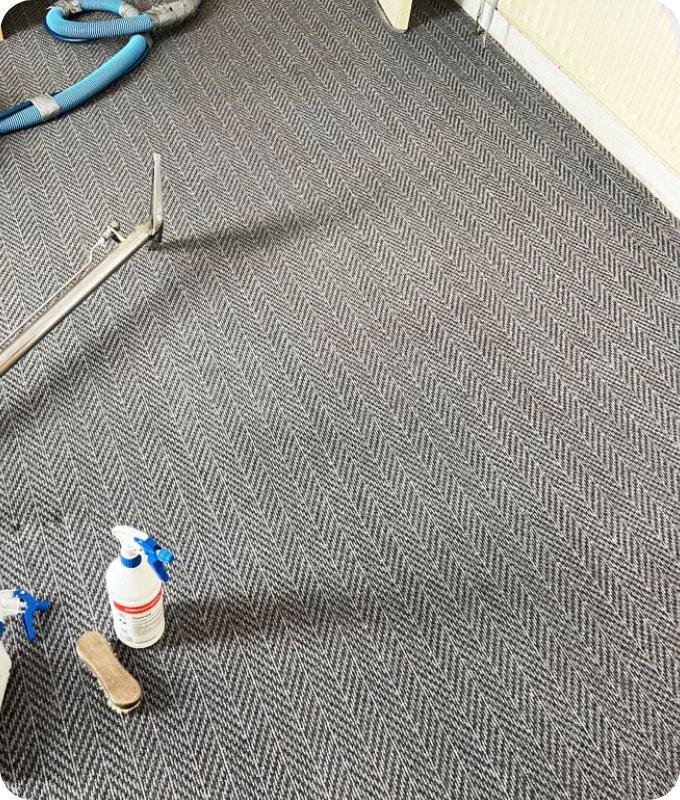
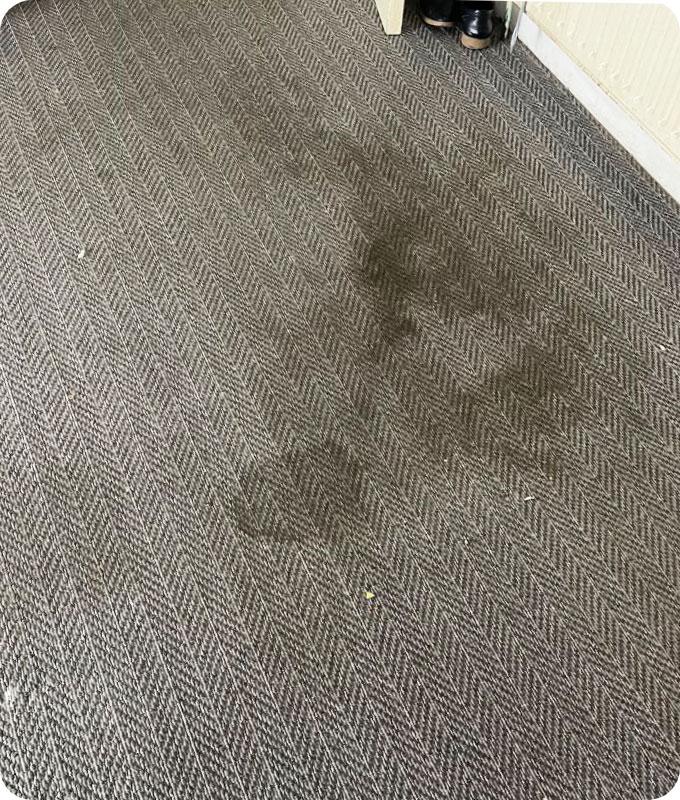
There is a particular kind of greyness that settles on carpets in houses along a busy arterial route, and it is not dust. Vehicle exhaust, tyre wear and brake dust produce extremely fine particles coated in oily residue, and that oil is what makes them stick. Brushing does nothing, vacuuming lifts a fraction, and a household detergent runs straight over the top of it. A BS4 front room facing the main road can look dull within two years of a carpet being laid, and the cause is chemistry rather than neglect.
A grey that will not vacuum out
Traffic particulate is small enough to bypass a domestic vacuum's filtration and light enough to stay suspended in the air for a long time before it lands. What lands carries a film of unburnt hydrocarbons, and that film bonds the particle to the fibre. Over months it builds an even, all-over dullness rather than a patch, which is why it is so often mistaken for fading or for the carpet simply getting old.
Why detergent alone slides off it
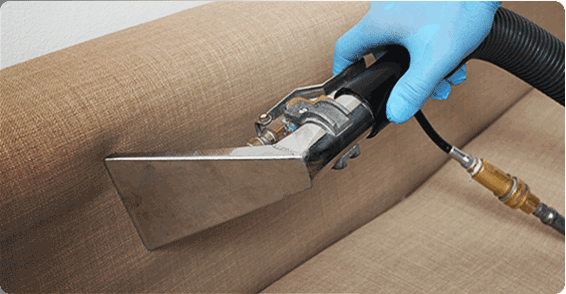
Water-based cleaners work by surrounding soil particles and holding them in suspension, which depends on the water being able to reach the particle in the first place. An oily coating repels water, so the solution never makes contact. The answer is a prespray with a solvent component that dissolves the oil, given several minutes of dwell time to work, followed by agitation and then hot extraction. Rushing the dwell time is the commonest reason this soil survives a clean, and the chemistry behind it is described on the full service.
Summer windows and the first rooms to show it
Deposits are always heaviest in the rooms with windows facing the road, and heaviest of all in summer when those windows stay open. A back bedroom in the same house can be visibly cleaner than a front one of identical age. Where a window has to stay open for air, a fitted screen and more frequent vacuuming of the strip beneath it make a noticeable difference over a year.
Front doors, porches and the entrance metre
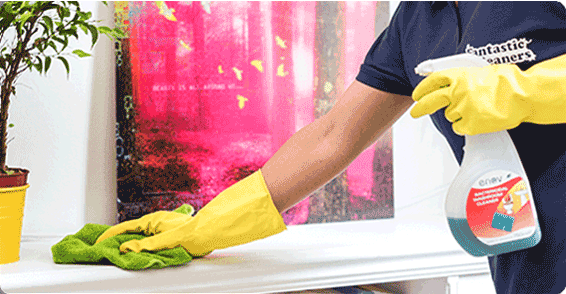
The other route in is on feet, and road grime on pavements is oily too, so it transfers readily. A good long mat inside and a swept, washed path outside cut the transfer substantially. Where the whole property needs bringing back rather than just the carpets, the surfaces above floor level carry the same film and are quoted as home cleaning in Brislington.
Flats above and beside the road
Converted flats along the main road get the worst of it, with single-glazed sashes in some cases and no lobby between the street door and the living space. They also tend to turn over frequently, so the carpet rarely gets a deep clean before a tenant changes. Properties in the centre carry a similar load for the same reason, and our carpet cleaning service in Bristol runs into the same oily particulate on communal stairs.
Judging the result before starting
This soil responds well, but the honest position is that a carpet which has been absorbing traffic film for a decade improves markedly rather than returning to new. Prolonged exposure degrades the fibre surface itself, and degraded fibre scatters light however clean it is. A test patch in an inconspicuous corner at the survey stage shows how much of the greyness is removable soil and how much is permanent, and it takes a few minutes to do. Settling that question before any money is spent is better for everyone than discovering it halfway through a front room.
Why this job takes longer
Because this soil needs dwell time, the visit runs longer than a standard clean of the same floor area, and that is quoted as time rather than concealed. Pricing is per room or by measured area with stairs itemised. Rooms need clearing of small items, and windows should be shut during the drying period rather than open, which is the reverse of normal advice. Where a tenancy is ending, the documented standard is handled as part of end of tenancy cleaning team in Bristol.