The expensive part of a high-specification refurbishment is usually the part most easily ruined by cleaning. Polished plaster, honed marble, unlacquered brass, book-matched veneer and hand-painted joinery all behave differently from the materials a general method assumes, and every one of them can be permanently marked in seconds by a product chosen out of habit. In SW1X that combination of finishes is normal rather than exceptional.
Marble, and the difference between dirt and etching
A dull patch on marble is often not dirt at all but etching, meaning the surface has been dissolved by something acidic, whether a cleaning product, a splash of descaler or grout residue treated with the wrong chemistry. Cleaning will not bring it back; it needs re-honing or polishing by a stone specialist. The way to avoid the conversation entirely is neutral products only, no abrasive pads, and immediate removal of anything acidic that lands on the surface. Honed and tumbled finishes disguise light etching far better than a polished one, which is why the same accident looks catastrophic on one floor and invisible on another.
Polished plaster and painted finishes that cannot be wiped
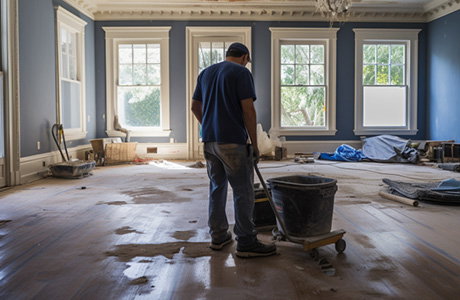
Burnished plasters are waxed or sealed and are extremely sensitive to pressure. Rubbing at a mark burnishes the area around it, so the repair becomes more visible than the mark was. Specialist decorative paint finishes behave the same way. The rule is light contact, a soft dry cloth, and a decision passed back to the client rather than a risk taken quietly. What a controlled post-construction clean involves is set out on our main service page.
Metals, lacquer and fingerprints that etch
Brass and bronze come either lacquered or living. Lacquered metal is destroyed by solvent and abrasive alike; unlacquered metal is meant to patinate, and polishing it back is a decision for the designer rather than the cleaner. Stainless and blackened steel show fingerprints and water spots immediately and are dried, not left to air. On every one of these, a test on a hidden face precedes the first wipe. Antique or salvaged ironmongery reinstated during a fit-out is handled as a historic object rather than as hardware, and it is cleaned dry.
Working in a building with a concierge
Most of the housing here is in mansion flats or converted townhouses with staff, fixed contractor hours, booked lifts and insurance requirements for anyone working on site. None of that is negotiable on the day. Access, parking, which in this district is limited and controlled, and waste routes are agreed in advance, and bulky items leave under a licensed carrier through Balham waste removal service. Protection to lift cars and common parts is usually specified by the managing agent and is put back exactly as it was found.
Agreeing the specification before anything is touched
On a job of this kind the useful document is a short schedule of finishes with the cleaning method for each: what is neutral-only, what is dry-only, what is not to be touched at all, and who to ring if something unexpected appears. Designers and contract administrators can usually supply the manufacturers' care sheets. Snags found during the clean, from a misaligned door to a loose handle, are reported and handled by handyman for homes in Knightsbridge. Photographs taken before the clean begins settle most later questions about whether a mark was already there.
Textiles, rugs and the last stage
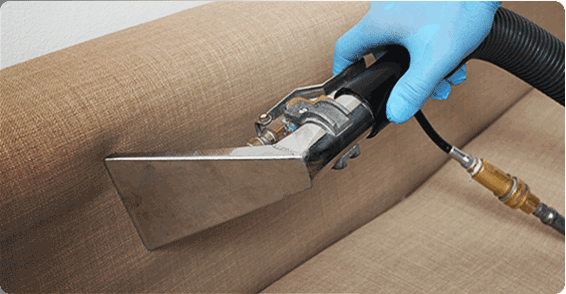
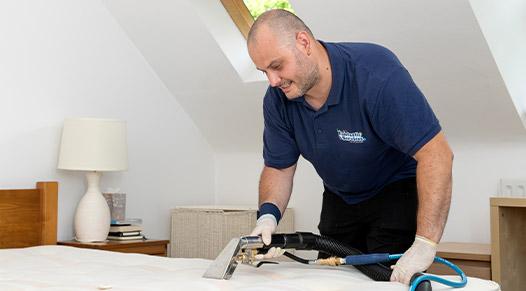
Fine dust settles into wool and silk and does not shake out. Rugs are often best treated off site, while fitted carpet is extracted in place with equipment matched to the fibre, which is work for carpet cleaning cover across Knightsbridge. That stage comes after every hard surface is finished, so nothing is walked back through, and after the building itself has stopped producing dust. The same standard is applied to properties south of the river through post-build cleaning in South London.