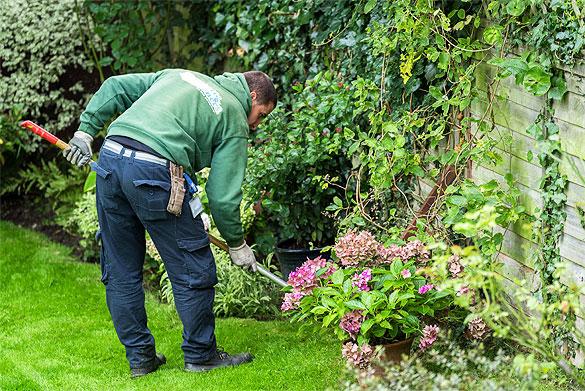
Plot size changes the nature of the work in N20. A number of properties here sit on grounds measured in acres rather than square metres, with mature standard trees, long boundary hedges, paddock-like grass and outbuildings, and much of the area falls within a conservation designation that adds a legal step before anything substantial is cut. Grounds of that scale cannot be maintained by turning up and mowing; they need a plan for the year, with heavy operations placed in the months when they will do least harm.
Consent comes before the chainsaw
Within a conservation area, works to trees above a modest trunk diameter require six weeks' written notice to the local authority, and an individual preservation order requires a formal application and a decision. Both apply to pruning as well as felling. Hedges are treated differently from trees, but a hedge containing a substantial self-set ash or oak is effectively a line of trees. Establishing what is protected, ideally against a plan of the grounds, is the first task on a new site and it prevents an unlawful cut that can end in prosecution.
Grass kept at two standards
Large grounds rarely want the same finish throughout. A formal area near the house is cut short and often, and striped if that is the look wanted; the wider sward does better managed as rough grass, cut two or three times a year with a flail or brushcutter and the arisings collected so fertility falls and finer species return. Deciding where the line between the two runs, and keeping a crisp mown edge along it, is what makes a big garden read as deliberately relaxed rather than abandoned.
Mature trees seen from the ground
Routine observation matters more here than routine cutting. Deadwood over a path, a limb with a tear at the union, fungal brackets at the base of a trunk and a sudden flush of epicormic growth are all worth recording during ordinary attendances. None is an emergency in itself, but a note made in March and acted on in autumn costs far less than a failure during a summer storm. Work above ground level, or anything touching a protected specimen, passes to a qualified tree surgeon.
Planting held back from the walls
On older properties with solid walls, shrubs and climbers grown hard against the building keep masonry permanently damp and block the airflow that would dry it out. The consequence shows on the inside as cold, damp internal faces in north-facing rooms. Cutting planting back to leave a clear gap, keeping soil levels below the damp course and stripping ivy off render addresses the cause; the internal consequences are a separate matter, dealt with under trusted damp and mould treatment in Totteridge.
Drives, paths and long approaches
A gravel or stone approach across a large plot collects leaf, moss and weed along its margins, and the turning area outside a garage greens over in winter shade. Regular edging and hoeing holds it for most of the year, while a full restoration of a stone or block surface calls for equipment and technique of its own, as set out under the pressure washing team in Whetstone. Smaller plots on the neighbouring streets, covered by fully insured hedge trimming in Whetstone, meet the same problem over a shorter run.
The year divided into phases
Grounds of this size are best split by season: structural pruning and hedge reduction in the dormant months, meadow cuts once seed has dropped in late summer, formal grass weekly through the growing period, and leaf clearance concentrated into roughly six weeks of autumn. Households that open the house to the garden through the summer frequently pair the outdoor schedule with local cleaning services in Totteridge in the same week.
Starting on a new site
A first attendance on a large plot is a survey rather than a working day: walking the boundaries, identifying protected and hazardous trees, agreeing the mown line, and setting out which operations fall in which month. Charging then follows that agreed schedule, priced by the days each phase requires rather than by area, because a wooded acre and an acre of grass demand very different amounts of labour. The framework behind an annual approach of this kind is described on professional weeding and tidy-ups.