

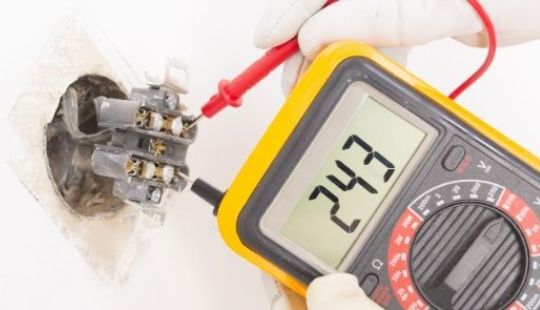
TL;DR — EICR Cost At A Glance
- A flat or small property costs £120–£200, and a house costs £200–£350 for an EICR, rising to £250–£400 in London.
- Price is driven mainly by property size and the number of circuits the electrician has to test.
- An EICR is a legal requirement for landlords in England, Scotland and Wales — usually every 5 years or at change of tenancy.
- The report grades faults using C1, C2, C3 and FI codes; C1 and C2 mean the installation is unsatisfactory and needs remedial work.
- The inspection fee does not include repairs — any remedial work found is quoted and charged separately.
- Booking an EICR before selling or renting, or when a property is over 10 years old, can help avoid last-minute rush fees.
Get a fixed price for an EICR — check prices and book online or call to arrange an inspection with a registered electrician.
 Add to Preferred Sources
 How Much Does An EICR Cost In 2026?
An Electrical Installation Condition Report (EICR) costs £120–£200 for a flat or small property and £200–£350 for a house across most of the UK, rising to £250–£400 in London and the South East. The report is a formal safety check of a property's fixed wiring, consumer unit, sockets, switches and earthing, carried out by a registered electrician.
The price is set almost entirely by how much there is to test. A studio with a handful of circuits is quick; a large house with multiple circuits, outbuildings and additions takes several hours and more testing, which is why bigger properties cost more. The inspection is a fixed-fee job — you pay for the assessment and the report, not for any repairs, which are quoted separately if faults are found.
| Property type | Rest of UK | London & South East |
|---|---|---|
| Flat / small property | £120 – £200 | £250 – £320 |
| Standard house | £200 – £350 | £280 – £400 |
Figures include VAT where applicable and reflect 2026 market rates. Your exact price depends on the property and your postcode — get a fixed quote here.
EICR Cost By Property Size
The clearest way to estimate an EICR is by property size, because it maps directly to the number of circuits tested:
| Property size | Rest of UK | London & South East |
|---|---|---|
| Studio / 1-bed flat | £120 – £170 | £180 – £250 |
| 2-bed flat / small house | £140 – £220 | £220 – £300 |
| 3-bed house | £180 – £280 | £250 – £350 |
| 4-bed house | £220 – £330 | £300 – £400 |
| 5+ bed house | £300 – £400 | £380 – £500 |
Larger homes, properties with many circuits, and installations with lots of additions or outbuildings sit at the top of these ranges.
Understanding EICR Codes: C1, C2, C3 And FI
The report grades every observation with a code. Understanding these matters, because they decide whether the certificate passes and how much remedial work will cost:
| Code | Meaning | What it means for you |
|---|---|---|
| C1 | Danger present — risk of injury | Immediate action required; the report is unsatisfactory until fixed. |
| C2 | Potentially dangerous | Urgent remedial work needed; the report is unsatisfactory until fixed. |
| C3 | Improvement recommended | Not dangerous; the report can still pass, but the upgrade is advised. |
| FI | Further investigation required | An area needs deeper checking before a final assessment; makes the report unsatisfactory. |
A report is marked satisfactory only if there are no C1, C2 or FI items. C3 observations alone do not fail an EICR. Any C1, C2 or FI findings must be put right and, for landlords, re-checked — the remedial work is where costs can vary widely, from a simple fix of a few pounds to a consumer unit replacement or a partial rewire.
What Affects The Cost Of An EICR?
1. Property Size And Number Of Circuits
The main driver. Each circuit is individually tested, so more circuits means more time and a higher fee. A large or extended home costs noticeably more than a compact flat.
2. Your Location
London and the South East run roughly 15–30% higher than the North of England, Wales and Scotland, reflecting higher labour and travel costs.
3. Age And Condition Of The Installation
Old wiring, an outdated consumer unit or previous DIY work takes longer to test and interpret. Poor records or hidden cabling can also slow the inspection.
4. Accessibility
If sockets, the consumer unit or junction boxes are hard to reach — behind furniture, boarded in or in a loft — the job takes longer. Clearing access before the visit keeps the price down.
5. Remedial Work Found
The EICR fee covers the inspection only. Any C1, C2 or FI findings are quoted separately. Simple fixes are cheap; a failed consumer unit or widespread faults can run into hundreds or thousands of pounds.
6. Urgency And Bundling
Last-minute reports for a sale or tenancy sometimes carry a premium. Booking alongside other electrical work, or across several rental units, can reduce the per-property cost.
What's Included — And What's Not
Typically included in an EICR:
- A full inspection and testing of the fixed electrical installation
- Testing of circuits, the consumer unit, earthing and bonding
- A written, coded report with a satisfactory or unsatisfactory outcome
- A clear list of any observations and their C1/C2/C3/FI codes
Usually charged separately:
- Any remedial or repair work identified in the report
- A consumer unit replacement or rewiring where required
- A re-inspection certificate confirming remedial work is complete
- PAT testing of portable appliances, which is a separate check
Can You Do It Yourself?
No. An EICR must be carried out by a qualified, registered electrician — it is a formal inspection that requires specialist test instruments, training and the authority to issue a certificate. A homeowner or landlord cannot self-certify.
What you can do is prepare: clear access to the consumer unit and sockets, gather any previous certificates, and note any known issues. That helps the electrician work efficiently and can keep the fee at the lower end.
How To Save Money On An EICR
- Book ahead of deadlines rather than paying rush fees for a sale or new tenancy.
- Bundle multiple properties or units if you are a landlord — providers often discount several inspections booked together.
- Clear access to the consumer unit, sockets and switches so the electrician is not held up.
- Combine with other work such as PAT testing or minor repairs in one visit.
- Keep previous certificates — a recent report and good records can speed up testing.
- Get 2–3 quotes and check whether the price is fixed and what remedial work would cost.
How To Hire A Good Electrician For An EICR
Confirm the electrician is registered with a Competent Person Scheme (NICEIC or NAPIT) and qualified to inspect and test to the current wiring regulations (BS 7671). Ask for a fixed inspection fee, check reviews or references, and make sure the report will be a full, coded EICR rather than an informal check.
With Fantastic Services, you get vetted, insured and registered electricians, a fixed price and online booking — arrange an inspection and receive a clear, coded report.
Keep Your Property Safe and Compliant
Fantastic Services EICR Prices
 As a member of the Fantastic club, you can get £30 OFF for 10 different services within 1 year.
| Fixed Prices | ||
|---|---|---|
| Prices | Fantastic Club price | Standard price |
| 1 bed property | £138 | £168 |
| 2 bed property | £153 | £183 |
| 3 bed property | £180 | £210 |
| 4 bed property | £206 | £236 |
| 5 bed property | Request a quote | Request a quote |
| Smart Home | Request a quote | Request a quote |
| Additional consumer unit | £55 | £55 |
| Additional circuit | £35 | £35 |
Join the Fantastic Club and get:
- £300 in credits
- Preferential member rates
- Domestic cleaning from £18/h
- Plant a tree
- Priority booking & case handling
Frequently Asked Questions
How Much Does An EICR Cost For A Flat Or House?
In 2026, an EICR costs £120–£200 for a flat or small property and £200–£350 for a house across most of the UK, rising to £250–£400 in London. The number of circuits tested is the main price factor.
Is An EICR A Legal Requirement?
For landlords, yes. Rented homes in England, Scotland and Wales must have a satisfactory EICR, generally renewed every 5 years or at a change of tenancy. For owner-occupiers it is not compulsory, but it is strongly recommended, especially for older or recently bought homes.
How Often Should An EICR Be Carried Out?
Landlords need one at least every 5 years. Owner-occupiers are advised to have one every 10 years, or sooner when buying a property, after major electrical work, or if the installation shows signs of age.
What Do C1, C2 And C3 Mean On An EICR?
C1 means danger is present and needs immediate action. C2 means potentially dangerous and needs urgent repair. C3 recommends an improvement but is not dangerous. A report passes only if there are no C1, C2 or FI (further investigation) items.
Does An EICR Include Repairs?
No. The fee covers the inspection and report only. Any faults coded C1, C2 or FI are quoted and charged separately, and the cost of that remedial work varies widely with what is found.
How Long Does An EICR Take?
A flat usually takes 1–2 hours and a typical house 2–4 hours. Larger or older properties with more circuits take longer, which is reflected in the price.
What Happens If An EICR Is Unsatisfactory?
The electrician lists the coded faults and quotes for remedial work. Once the C1, C2 or FI items are fixed, a re-inspection confirms the installation is safe and a satisfactory report can be issued.
