

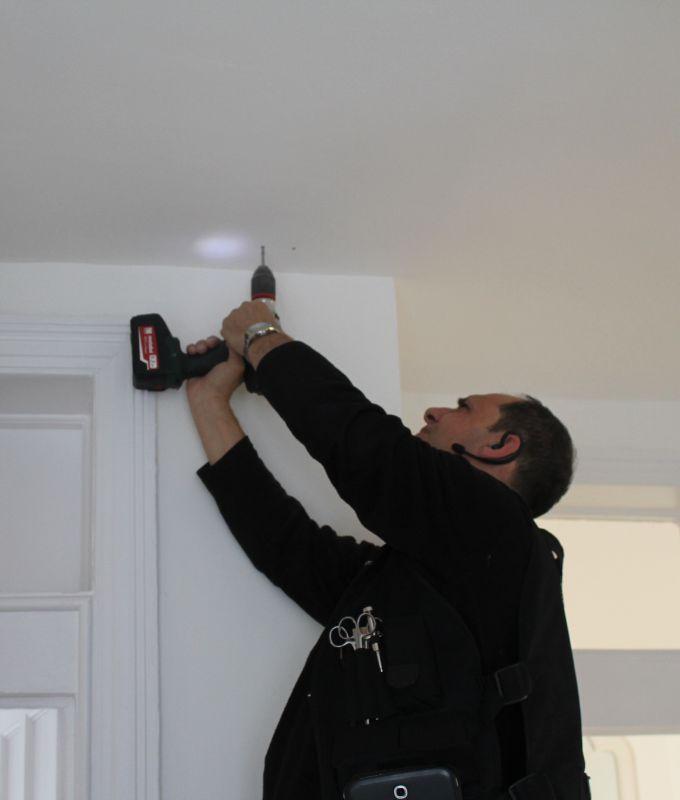
TL;DR — Carbon Monoxide Alarm Installation Cost At A Glance
- Fitting a carbon monoxide alarm costs £50–£180 supply and fit outside London, rising to £70–£200 in London in 2026.
- Battery alarms are cheapest to fit; mains-wired and smart alarms cost more for the unit and the labour.
- Price depends on the alarm type, whether it is battery or hard-wired, and how many are fitted.
- A carbon monoxide alarm is a legal requirement in rented homes with a fixed combustion appliance, and strongly advised in any home with a boiler, fire or stove.
- Hard-wired alarms should be fitted by a qualified electrician; battery models can be self-installed.
- CO alarms should be replaced every 5–7 years, and tested regularly, whichever type you choose.
Get a fixed price for carbon monoxide alarm installation — check prices and book online or call to arrange fitting with a qualified electrician.
 Add to Preferred Sources
 How Much Does Carbon Monoxide Alarm Installation Cost In 2026?
Installing a carbon monoxide (CO) alarm costs £50–£180 supply and fit across most of the UK, rising to £70–£200 in London and the South East. The wide range comes down to the type of alarm: a simple battery unit is quick and cheap, while a mains-wired or smart alarm costs more for both the device and the labour.
Carbon monoxide is a colourless, odourless, tasteless gas produced by faulty or poorly ventilated boilers, fires, stoves and cookers — which is why a working alarm is an essential safety device in any home with a combustion appliance. A battery alarm can simply be mounted on a wall or ceiling. A hard-wired alarm connects to the mains and should be fitted by a qualified electrician, which is where most of the cost sits.
Because the alarm itself is inexpensive, the price of a single fit is dominated by the electrician's visit rather than the device. That is why fitting one alarm and fitting three in the same appointment do not differ by much per unit — and why it makes sense to review the whole home at once, placing an alarm in every room with a fuel-burning appliance.
| How you book | Rest of UK | London & South East |
|---|---|---|
| Carbon monoxide alarm (supply & fit) | £50–£180 | £70–£200 |
Figures include VAT where applicable and reflect 2026 market rates. Your exact price depends on the alarm and your postcode — get a fixed quote here.
Carbon Monoxide Alarm Installation Cost By Type
The type of alarm is the biggest factor. These are typical supply-and-fit prices:
| CO alarm type | Rest of UK | London & South East |
|---|---|---|
| Battery / sealed-battery alarm | £50–£90 | £70–£110 |
| Mains / hard-wired alarm | £100–£150 | £130–£180 |
| Smart / connected alarm | £120–£180 | £150–£200 |
| Additional alarm (same visit) | £30–£60 | £40–£80 |
A sealed-battery alarm lasts the life of its built-in battery (often 7–10 years) and needs no wiring. A hard-wired alarm draws power from the mains with a battery backup and is favoured in some rented and multi-alarm setups. A smart alarm sends alerts to a phone and can link with other home safety devices.
What Affects The Cost Of Fitting A Carbon Monoxide Alarm?
1. The Type Of Alarm
The main driver. A battery alarm is a quick fit; a hard-wired alarm needs a mains connection and a qualified electrician, and a smart alarm adds setup and pairing time.
2. Battery Or Hard-Wired
Battery models are the cheapest to fit because there is no wiring. Hard-wired alarms cost more for the electrical connection, especially if a nearby supply is not already available.
3. Number Of Alarms
The first alarm carries the call-out; each additional alarm fitted in the same visit costs less. A larger home with several combustion appliances may need more than one.
4. Placement And Access
Alarms are best fitted at head height on a wall, or on the ceiling, near — but not directly above — the appliance. High ceilings or awkward positions add a little time.
5. Your Location
London and the South East run roughly 15–30% higher than the North of England, Wales and Scotland, reflecting higher labour and travel costs.
6. Combining With Other Work
Fitting a CO alarm alongside other electrical jobs — such as an EICR, a fuse box replacement or new sockets — spreads the call-out and lowers the effective cost.
What's Included — And What's Not
| Typically included in CO alarm installation: | Usually charged separately: |
|---|---|
| The alarm and the labour to mount and position it correctly | Extra alarms beyond the first in some pricing |
| Connecting a hard-wired alarm to the mains, where applicable | New cabling for a hard-wired alarm where no supply is nearby |
| Testing the alarm and showing you how it works | A boiler or appliance service to address the source of any CO risk |
| Advice on placement near boilers, fires, stoves and cookers | Smoke alarms, which are a separate (though often bundled) safety device |
Can You Do It Yourself?
A battery-powered CO alarm can be fitted by anyone — it mounts to a wall or ceiling with a couple of screws and needs no electrical connection. Following the manufacturer's placement guidance (near appliances, at the right height, away from windows and extractors) matters more than the fixing itself.
A hard-wired alarm should be installed by a qualified electrician, as it connects to the mains. Getting the connection wrong is a shock and fire risk, and in rented homes the responsibility for a working alarm sits with the landlord. If a CO alarm ever sounds, treat it as an emergency: ventilate, leave the property and call the gas emergency line.
How To Save Money On Carbon Monoxide Alarm Installation
- Choose a sealed-battery alarm for the lowest fitting cost where hard-wiring is not required.
- Fit multiple alarms in one visit to spread the call-out charge.
- Bundle with other electrical work, such as an EICR or fuse box replacement, in a single appointment.
- Buy an alarm to the right standard (look for the relevant British/European approval) rather than the cheapest unbranded unit.
- Replace on schedule — every 5–7 years — to avoid a false sense of security from an expired alarm.
- Get 2–3 quotes if fitting several hard-wired alarms across a property.
How To Hire A Good Electrician For CO Alarm Installation
For a hard-wired alarm, confirm the electrician is registered with a Competent Person Scheme (NICEIC or NAPIT) and insured. Ask for advice on the right number and placement of alarms for your home, check reviews or references, and get a clear price that states whether the alarm is included.
With Fantastic Services, you get vetted, insured and qualified electricians, transparent pricing and online booking — arrange CO alarm fitting as a standalone job or alongside other electrical work.
Frequently Asked Questions
How Much Does It Cost To Install A Carbon Monoxide Alarm?
In 2026, fitting a CO alarm costs £50–£180 supply and fit across most of the UK and £70–£200 in London. Battery alarms are cheapest; mains-wired and smart alarms cost more for the unit and the labour.
Is A Carbon Monoxide Alarm A Legal Requirement?
In rented homes, yes. Landlords in England must fit a CO alarm in any room with a fixed combustion appliance (excluding gas cookers), with similar rules across the UK. For owner-occupiers it is not compulsory but is strongly recommended wherever there is a boiler, fire, stove or flue.
Where Should A Carbon Monoxide Alarm Be Fitted?
Fit an alarm in each room with a fuel-burning appliance, positioned at head height on a wall or on the ceiling, roughly 1–3 metres from the appliance — not directly above it, in an enclosed space, or next to a window or extractor.
How Often Should A CO Alarm Be Replaced?
Carbon monoxide alarms should be replaced every 5–7 years, or sooner if the manufacturer states a shorter life. Test alarms regularly using the test button and replace any batteries as advised.
Does Fitting A CO Alarm Need An Electrician?
A battery alarm can be fitted by anyone. A hard-wired alarm connects to the mains and should be installed by a qualified electrician to ensure it is safe and correctly connected.
What Should You Do If A Carbon Monoxide Alarm Goes Off?
Treat it as an emergency. Open windows and doors to ventilate, turn off fuel-burning appliances if it is safe to do so, leave the property, and call the National Gas Emergency line on 0800 111 999. Seek medical help if anyone has symptoms such as headache, dizziness or nausea, and do not go back inside until the source has been found and fixed.
What Is The Difference Between A CO Alarm And A Smoke Alarm?
A carbon monoxide alarm detects the CO gas produced by faulty combustion appliances, while a smoke alarm detects fire. They protect against different hazards, so a home with fuel-burning appliances needs both.
