

TL;DR — Electrical Fault Finding Cost At A Glance
- Electrical fault finding typically costs £80–£200 inc VAT, covering the call-out and the first diagnostic hour.
- Complex or intermittent faults cost £250 or more, because they take longer to trace.
- London and the South East run £120–£250 for the same diagnostic work.
- The quote is usually for diagnosis only — the repair is priced separately once the fault is found.
- Tripping RCDs, dead sockets and intermittent faults are the most common jobs, and time on site is the main cost driver.
- Any remedial work must be done by a registered, Part P-compliant electrician, especially in bathrooms or on new circuits.
Book electrical fault finding with a registered electrician — check prices and book online or call to describe the problem.
 Add to Preferred Sources
 How Much Does Electrical Fault Finding Cost In 2026?
Electrical fault finding in the UK costs £80–£200 inc VAT, which usually covers the call-out and the first hour of diagnostic work. A complex or intermittent fault that takes longer to trace can cost £250 or more, and in London and the South East expect £120–£250 for the same work. Most straightforward faults are diagnosed within the first hour; the tricky ones are those that come and go.
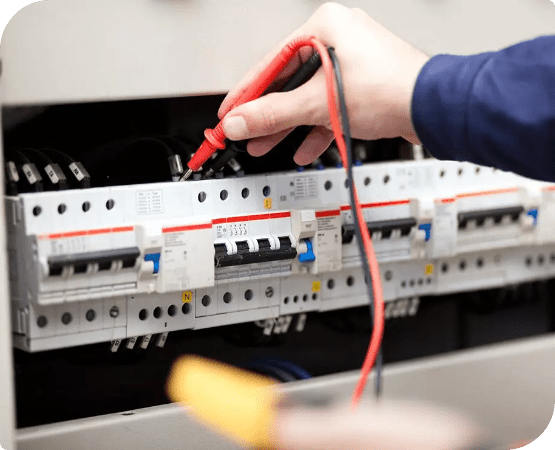
Fault finding is a diagnostic service, not a repair. An electrician uses test instruments — a multimeter, insulation resistance tester and socket tester — to isolate the cause of a problem such as a tripping fuse, a dead circuit or lights that flicker. Once the fault is located, the repair is quoted separately, because the fix could be anything from a five-minute connection to replacing a length of damaged cable.
Price mainly reflects how long the fault takes to find, your location, and the age and complexity of the wiring. An intermittent fault in an older property with buried cabling can take far longer than a clearly dead socket, which is why time on site is the biggest driver.
Here is what electrical fault finding typically costs across the UK in 2026:
| How you book | Rest of UK | London & South East |
|---|---|---|
| Call-out + first diagnostic hour | £80 – £150 | £120 – £180 |
| Additional diagnostic time (per hour) | £40 – £70 | £55 – £85 |
| Complex / intermittent fault | £150 – £250+ | £200 – £350+ |
| Emergency / out-of-hours call-out | £150 – £300 | £200 – £400 |
Figures include VAT and reflect 2026 market rates. Your exact price depends on the fault and postcode — get a fixed quote here.
Electrical Fault Finding Cost By Type Of Fault
Different faults take different amounts of time to trace. These are typical figures for the rest of the UK, covering diagnosis only; add roughly 20–30% for London.
| Fault | Typical diagnostic cost | What's involved |
|---|---|---|
| Tripping RCD or fuse | £80 – £180 | Isolate circuits to find the faulty one |
| Dead socket or circuit | £80 – £150 | Test the run and connections |
| Flickering or failing lights | £80 – £160 | Check fittings, switches and wiring |
| Intermittent fault (comes and goes) | £150 – £300+ | Longer testing to reproduce the fault |
| Burning smell / scorching | £120 – £250 | Urgent inspection of connections |
| Loss of power to part of the home | £100 – £200 | Trace the affected circuit |
The repair itself is quoted once the fault is found — see the electrician cost guide for typical labour rates.
What Affects The Cost Of Electrical Fault Finding?
Several factors decide where a job lands in the ranges above.
1. How Long The Fault Takes To Find
The single biggest driver. A clearly dead socket is quick; an intermittent fault that only appears occasionally can take several hours to reproduce and trace, and time on site is charged accordingly.
2. The Type Of Fault
A tripping RCD with an obvious cause is faster than a hidden fault in buried cabling. Faults that involve safety risks — a burning smell or scorch marks — are treated as urgent and inspected thoroughly.
3. Your Location
London and the South East run higher on labour and call-out fees, so a diagnostic that costs £80–£200 elsewhere is typically £120–£250 in the capital.
4. Property Age And Wiring
Older homes with buried cables, no clear circuit labelling or outdated wiring take longer to test. A property with a recent EICR and clear records is quicker to work through.
5. Timing And Urgency
Standard weekday appointments are cheapest. Same-day, evening and weekend call-outs — often needed for a burning smell or total power loss — carry a premium.
What's Included — And What's Not
| Electrical fault finding usually includes | Usually not included |
|---|---|
| The call-out and travel to your property | The repair itself — quoted separately once the fault is found |
| Diagnostic testing with proper instruments | Replacement parts, such as cables, sockets, switches or RCDs |
| Isolating and identifying the faulty circuit or component | A full EICR or periodic inspection |
| A clear explanation of the fault | A consumer unit replacement if the board is the problem |
| A quote for the repair needed to fix it | Making good, such as plastering or decorating after cabling work |
| Making the installation safe if there is an immediate hazard |
Ask whether the diagnostic fee is deducted from the repair cost if you go ahead — many electricians offer this.
Can You Do It Yourself?
Only the very basics. A homeowner can safely reset a tripped RCD or breaker, unplug appliances one at a time to see which trips the board, check whether a fault follows a particular appliance, and replace a plug fuse. These simple checks sometimes solve the problem without a call-out.
Beyond that, fault finding needs a registered electrician. Tracing a fault means working on live and isolated circuits with test instruments, and any remedial work — especially new circuits or anything in a bathroom or outdoors — is notifiable under Part P of the Building Regulations and must be certified. A burning smell, scorch marks, buzzing or repeated tripping should never be ignored or investigated by opening up wiring yourself; these are signs of a potential fire or shock risk that need a professional straight away.
How To Save Money On Electrical Fault Finding
- Do the simple checks first — reset the board, unplug appliances one by one, and note exactly when the fault happens.
- Give the electrician detail — when it started, what triggers it, which rooms are affected — so diagnosis is faster.
- Ask if the diagnostic fee comes off the repair if you proceed with the fix.
- Bundle the repair with the diagnosis in one visit where possible, rather than a second call-out.
- Book standard hours where the fault can safely wait, avoiding emergency rates.
- Keep your EICR and any wiring records to hand, so the electrician can work through circuits quickly.
How To Hire A Good Electrician
Confirm the electrician is registered with a Competent Person Scheme (NICEIC or NAPIT) and carries public liability insurance. For fault finding, ask how they charge — a call-out plus hourly diagnostic time is standard — and whether the fee is deducted from any repair. Make sure they will issue the correct certificate for any remedial work, and get the repair quoted in writing before it goes ahead.
With Fantastic Services, you get vetted, insured and registered electricians, transparent pricing and online booking — describe the fault and get a price up front.
Frequently Asked Questions
How Much Does Electrical Fault Finding Cost In 2026?
Electrical fault finding costs £80–£200 inc VAT for a call-out and the first diagnostic hour, rising to £250 or more for complex or intermittent faults. London and the South East run £120–£250. The repair is quoted separately.
Why Do Electrics Keep Tripping?
A tripping RCD usually means an earth fault or overload on one circuit, often caused by a faulty appliance, damp in a fitting, or damaged cable. Unplugging appliances one at a time can identify the culprit; if it keeps tripping with everything off, it needs an electrician.
Is The Repair Included In The Fault Finding Price?
Usually not. Fault finding is a diagnostic service that locates the problem; the repair is quoted separately once the cause is known. Many electricians deduct the diagnostic fee from the repair if you go ahead, so it is worth asking.
How Long Does Fault Finding Take?
Most straightforward faults are found within the first hour. An intermittent fault that only appears occasionally, or a hidden fault in older wiring, can take several hours to trace, which increases the cost.
Can You Find An Electrical Fault Yourself?
Only the basics safely — resetting the board, unplugging appliances one by one, and replacing a plug fuse. Anything involving opening up wiring, or investigating a burning smell or scorch marks, needs a registered electrician, as it carries a fire and shock risk.
Should A Burning Smell From A Socket Be Ignored?
No. A burning smell, scorch marks or buzzing from a socket or consumer unit is a serious warning sign. Switch off the circuit if you can do so safely and call a registered electrician immediately, as it points to a fault that could cause a fire.
