Four words get used interchangeably by almost everyone and mean entirely different things to a technician: soiling, staining, wear and damage. Getting them straight is not pedantry. Each one has a different cause, a different remedy and a different likely outcome, and a conversation that runs on the assumption that a carpet is simply dirty will end in disappointment when three quarters of what is visible turns out to be something cleaning cannot address. Blackheath housing ranges from Georgian and Victorian through to substantial post-war estate building, so a technician here sees carpets of every age and every history, sometimes in one property.
Soiling is the part that leaves
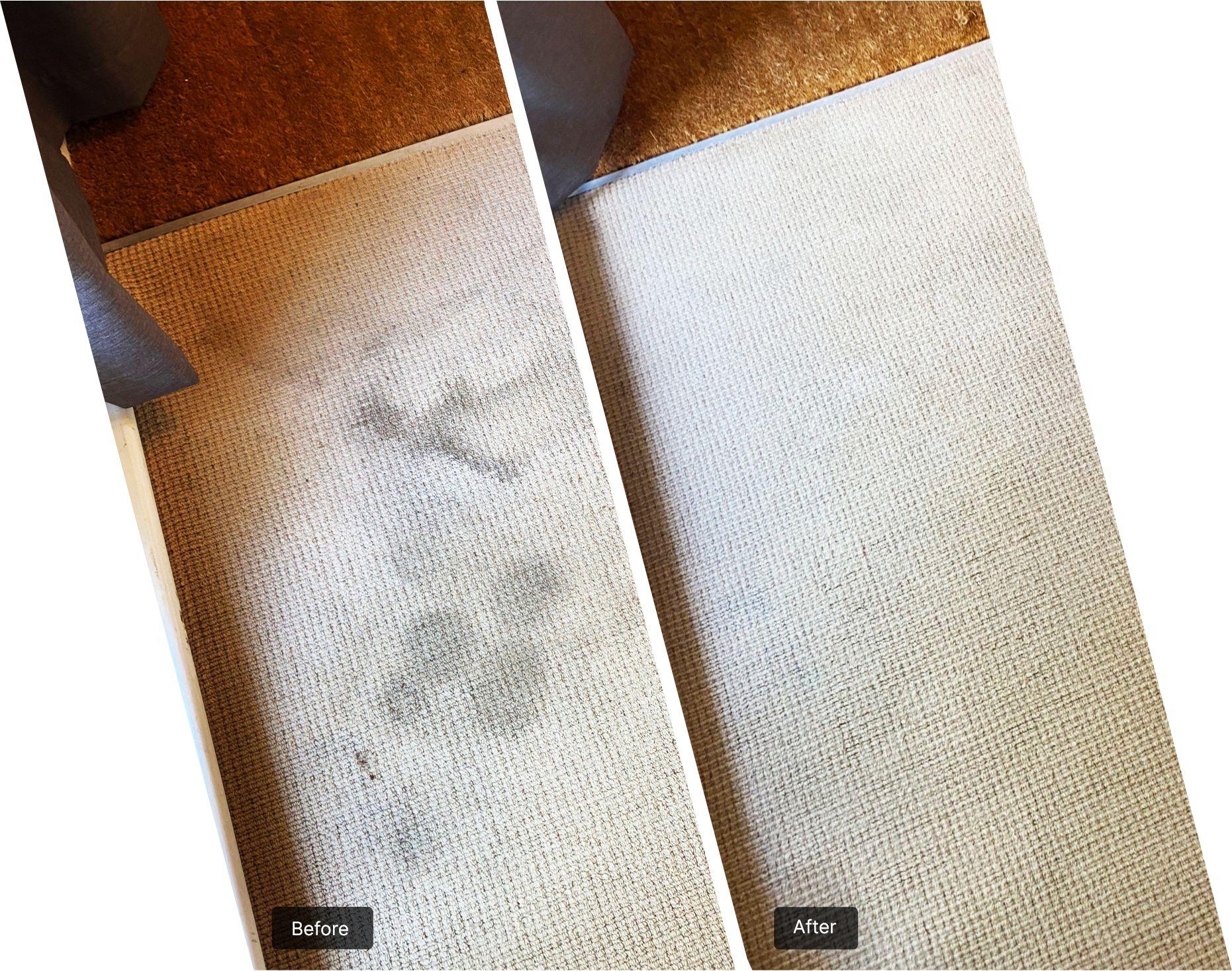
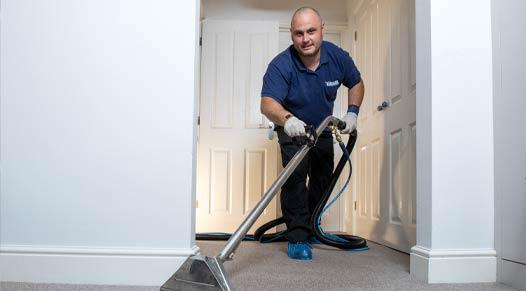
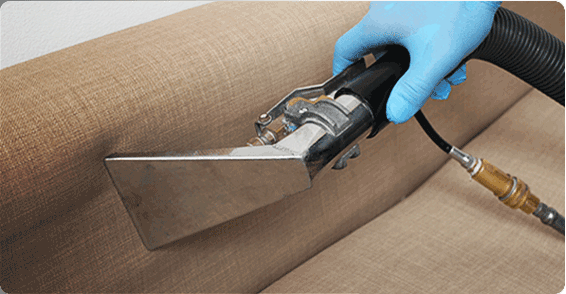
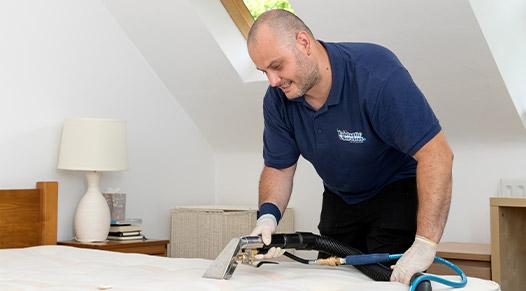
Soiling is foreign material sitting in the pile: mineral grit, fibres, skin, hair, and a smaller oily fraction that binds the rest to the yarn. It has not chemically altered anything. Most of it is dry and comes away through thorough vacuuming before a machine is switched on; the bound remainder needs chemistry to release it and water to carry it out. This is the category that responds fully, and it is usually the majority of what somebody is looking at when they say a carpet needs doing.
Staining means the colour has changed
A stain is not sitting on the fibre, it has become part of it — either something has dyed the yarn, or something has removed the dye that was there. The second is more common than people expect: a bleaching agent, certain household cleaners and some medications leave an area that is lighter than its surroundings, and no cleaning process returns colour that has gone. Added colour can sometimes be reduced. Removed colour can only be replaced, which is specialist work and is not always worth doing. The range of work involved is outlined on local rug cleaning.
Wear is missing material
Wear is fibre that is no longer there, or that has lost its twist and no longer stands up. It shows as a lane along a route, a dull patch at the foot of a stair or a flattened area in front of a sofa. Cleaning removes what is in the pile and can restore a surprising amount of appearance by allowing the remaining fibre to stand, but it cannot add yarn back. The honest test is whether the area looks different in colour or different in texture; texture usually means wear. Carpets of every age turn up in the adjoining streets covered by carpet cleaning prices in Westcombe Park.
Damage is structural
Damage is a tear, a burn, a chewed edge, a seam that has opened, a ripple from moisture, or delamination where the backing has let go. It is a repair question rather than a cleaning one, and it needs settling first, because wet cleaning over damage nearly always makes the damage more obvious. A burn is trimmed or plugged, a ripple is re-tensioned, an open seam is re-taped. Where the moisture behind a ripple has a source in the structure, mould removal across Kidbrooke deals with that separately.
Why the walk-through comes before a price
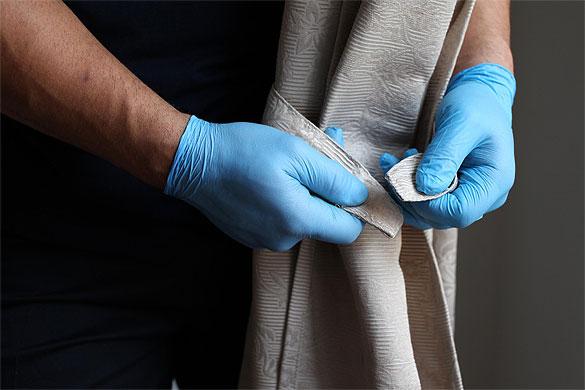
A quote given over the phone is a guess about area. A walk-through sorts what is present into those four categories and attaches a realistic expectation to each, which is what actually determines whether the result satisfies anyone. It also identifies fibre and construction, which decides the method. Households arranging other work at the same time will find the wider range under Blackheath cleaning services specialists, and the routine version under professional domestic cleaning services in Blackheath.
What gets agreed before work starts
By the end of a survey there should be a plain statement: these areas will come up fully, this mark will improve but not disappear, this patch is permanent, and this section needs a repair before anything else happens. Pricing follows the area treated and the furniture to be moved. Where a property is being emptied first, which makes the whole job simpler and the result more even, house removals in Camberwell covers that side of it, with the Charlton branch for the adjoining district.