The practical question in a second-floor flat above a shop is not which chemical to use. It is where the water comes from, where it goes afterwards, and whether the building's wiring will run a machine without tripping. E2 is full of converted flats reached by a single internal staircase, with no outside tap, no accessible drain and a consumer unit that predates most of the appliances plugged into it. Equipment choice follows from that, and it changes the shape of the job entirely.
Truck-mounted against portable machines
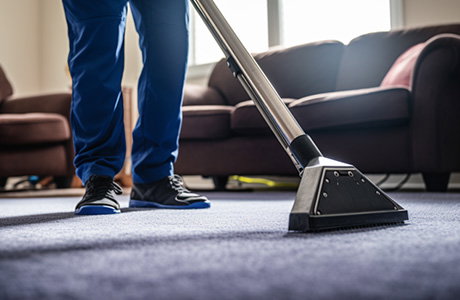
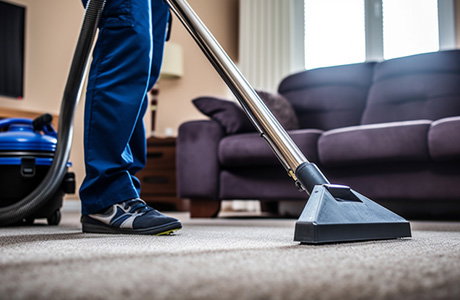
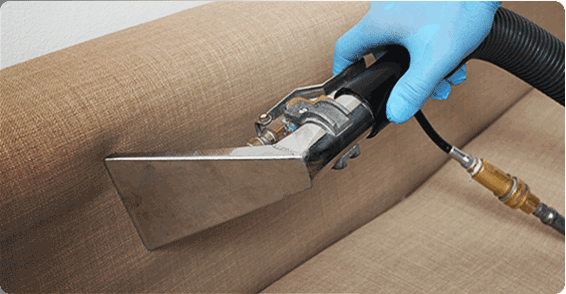
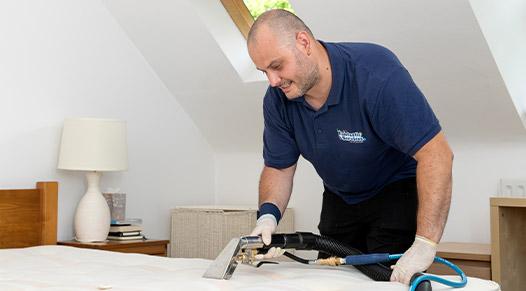
A vehicle-mounted system generates its own heat and vacuum and runs hoses from the kerb, which gives far more recovery and therefore a faster dry. It needs a parking space within reach of the door, which on a street of permit bays is not guaranteed. A portable unit goes up the stairs, plugs into a domestic socket and works anywhere, at the cost of tank capacity and a little vacuum lift. Most flats here are portable jobs, and knowing that in advance decides how long to allow.
Hose runs, stair turns and door thresholds
Every metre of hose costs vacuum performance, and every turn on a staircase costs more. Doors cannot be closed onto a hose, which matters for fire doors in a converted house, so runs are planned along walls with the hose protected at the threshold. Where a lorry cannot park within reach, a relay arrangement or a portable machine is the answer rather than simply adding hose and accepting a wetter floor.
Power, and the circuits in an old conversion
Heaters and vacuum motors draw a real load, and a flat wired decades ago may have the whole floor on one ring. Running a machine on a single socket alongside a kettle is how an evening ends with a reset trip and a half-cleaned room. A technician will ask which sockets are on which circuit, or simply work from two separate circuits where the flat allows it. Where the supply is genuinely limited, the work is staged room by room.
Waste water and where it legitimately goes
Recovered water is dirty water, and it belongs in a foul drain rather than a gully in the yard or a street gutter. In a flat that means carrying tanks down to a toilet or a sink, which is heavy, slow and part of why a first-floor job takes longer than a ground-floor one. Nobody enjoys this part, but it is a duty-of-care matter and it is done properly rather than conveniently.
Noise, neighbours and the hours that work
A vacuum motor through a Victorian timber floor is audible in the flat below and often in the one beside it. Mid-morning to mid-afternoon suits nearly everyone, and where a building has a lease condition on contractor hours, the appointment is set to fit it. On a shared staircase, protecting the common parts with runners is expected rather than optional, since carrying a wet hose down a carpeted communal stair otherwise leaves a mark on someone else's floor.
What comes in from the street
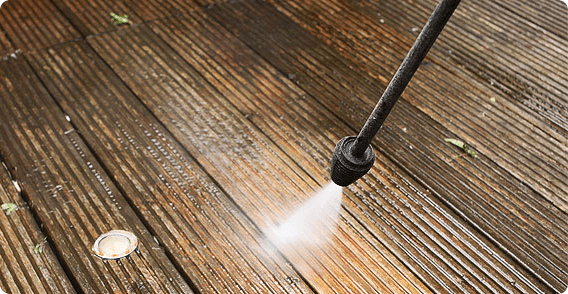
A flat at the top of a shared stair receives everything the pavement, the entrance and the stairwell have collected. Cleaning the paved approach and the steps changes the load arriving at the top, and that exterior work sits under fully insured pressure washing in Bethnal Green, with the same machinery used on riverside and dockside paving through our pressure washing in Canary Wharf. Other household services are listed under the cleaning services team in Bethnal Green, and recurring visits are arranged through our domestic cleaning service in Bethnal Green.
What to sort out before the day
Confirm the parking situation, whether a permit or a suspension is needed, and how many flights the equipment must climb, because all three change the time allowed. Clear small items and lift anything fragile off low surfaces. Pricing follows measured area with stairs by the flight, and a note about access constraints at the booking stage is more useful than the postcode. Tenancy work is covered by fully insured pre-tenancy cleaning in East London, the neighbouring district by our Tower Hamlets team, and the method itself on the full service page.