Salt-laden air off the Forth changes how a carpet behaves in Kirkcaldy. Onshore wind carries fine marine salt inland, it settles on paths and steps, and it comes indoors on shoes along with the grey beach sand that gets everywhere in a coastal town. Salt is hygroscopic, so a carpet carrying a load of it never quite dries out; it holds a slight dampness that feels cold underfoot, attracts more soil and, over a winter, leaves pale crystalline blooms around the edges of doormats.
Soft water, and why less detergent is needed
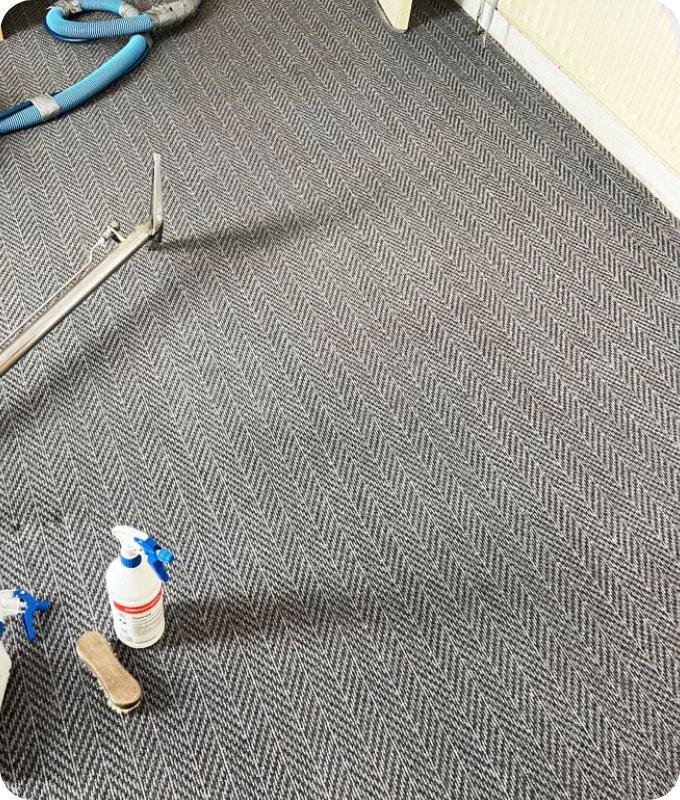
Water in this part of Fife is soft, which is the opposite situation to most of southern England. Detergent lathers readily and a standard dilution produces far more foam than the job requires. Excess foam is a genuine problem rather than a cosmetic one: it reduces the vacuum's ability to recover liquid, and any surfactant left in the pile stays tacky and pulls in soil within weeks. Dosing down, and rinsing thoroughly with clean water, produces a carpet that stays clean for months longer.
Stone walls, solid floors and slow evaporation
Much of the older housing here is stone built with solid walls and no cavity, and ground floors are often solid too. Neither construction lets moisture escape downward or outward, so drying happens entirely through the surface of the carpet into the room air. In a coastal climate where the outside air is frequently at high humidity, opening a window can add moisture rather than remove it. Air movers and, where necessary, a dehumidifier working in a closed room do the job properly, and the decision between the two is made by reading the conditions rather than by habit.
Sand is abrasive in a way that soot is not
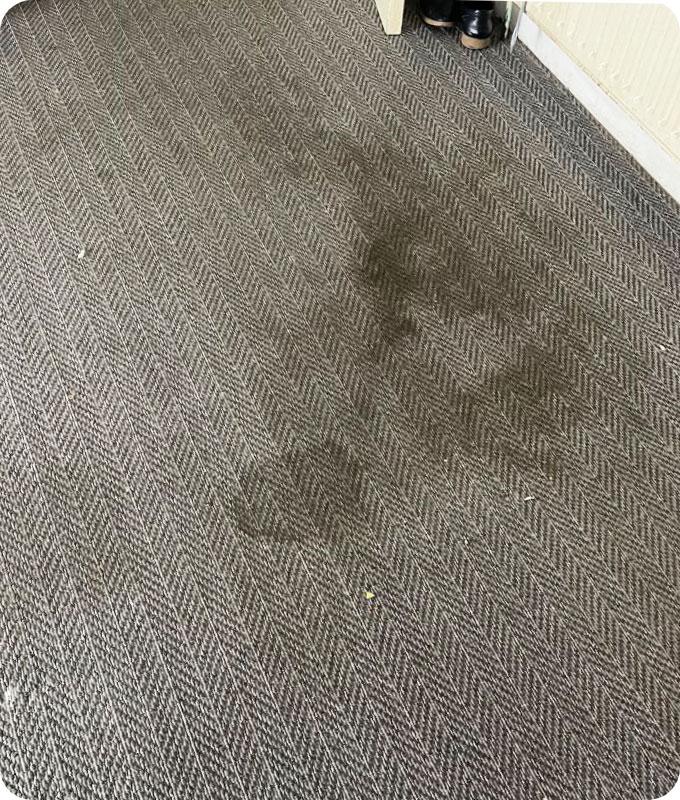
Beach sand is hard, rounded and heavy, and it works its way to the base of the pile where a domestic vacuum struggles to lift it. Left there, it cuts the fibre every time someone crosses the room. Slow, repeated dry passes with the beater bar engaged on cut pile, plus a decent matted entrance, remove the bulk of it. A carpet in a coastal home benefits more from an extra weekly vacuum than from an extra clean each year.
Haar, washing indoors and general dampness
Sea fog rolling in, combined with laundry dried indoors through the colder months, keeps indoor humidity high in many homes here. That background moisture is the reason carpets in this area are cleaned with less water and more recovery than would be needed inland, and it is also why a clean is best booked for a dry, breezy day rather than a still, misty one.
Moving out, and what the deposit scheme expects
Tenancy deposits are held in an approved scheme, and disputes are decided on documented condition. A carpet returned clean, with a dated record of the work, removes one of the commonest grounds for a deduction; check-out cleaning in Kirkcaldy extends that to the kitchen, appliances and the rest of the inventory. Where building work has just finished, cement and plaster residue is highly alkaline and will damage wool, so Kirkcaldy after builders cleaning team needs to come first.
Hallways and stairs in a traditional terrace
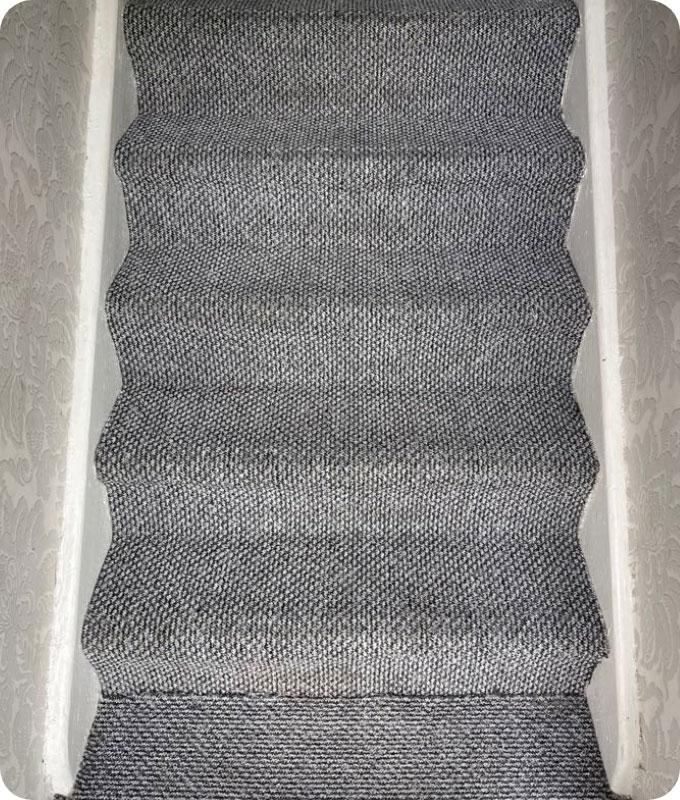
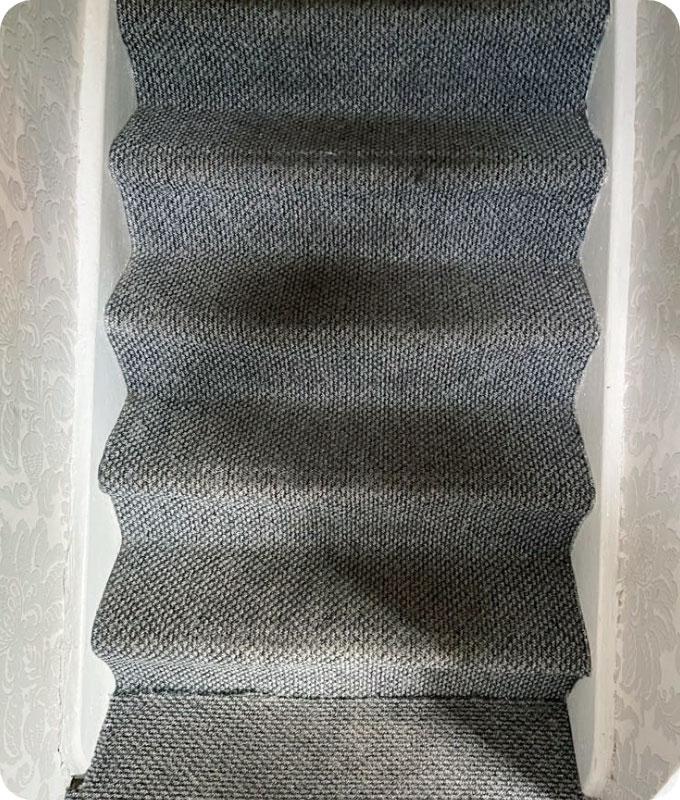
The narrow hall and steep straight flight found in the older terraced housing concentrates every bit of sand and salt into a strip barely wider than a shoe. That strip wants cleaning more often than the rooms it leads to, and it benefits from a second rinse pass rather than a single slow one. Combing the pile back to its original lay afterwards matters here too, because a hall carpet viewed along its length shows every footprint if the fibre is left flattened in mixed directions.
Arranging the work
Quotes are based on the number of rooms, halls and stairs rather than an hourly rate, and heavily soiled traffic routes are flagged before work starts rather than added afterwards. A tap, a socket and somewhere to park within hose reach is all that is required. Comparable coverage in the capital is our carpet cleaning in Edinburgh, and the reference page explaining methods by fibre type is carpet and rug cleaning prices.