Tenancies in Scotland end on different terms from those south of the border, and the handover reflects it. Most private lets here are private residential tenancies, which have no fixed end date and run until notice is given, and any deposit must sit with one of the approved Scottish schemes. What that means in practice for a KY1 flat is that the timetable is set by the notice period rather than by a lease expiry, and the standard is set by the inventory agreed at entry.
A different tenancy, a different ending
Because the tenancy is open-ended, the cleaning is frequently arranged at shorter notice than a landlord would like, and the property is often handed back mid-month rather than at a convenient turn of the calendar. The inventory taken at the start carries the same weight it does anywhere: it is the document against which the flat is measured, and anything not recorded then is difficult to charge for later. Photographs at exit are the tenant's own protection.
Tenement flats and the common stair
A traditional flat opens onto a shared stair that belongs to everyone and to no one in particular. Cleaning the stair is usually a rota or a factored arrangement, and it sits outside a tenancy clean, but leaving bin bags, a mattress or bicycle parts on a landing will generate a complaint to the landlord at exactly the wrong moment. Carrying equipment and furniture up a stone stair with a tight turn also takes longer than the same job in a modern block, which is worth allowing for. Where a flat has been refurbished before reletting, plaster dust settles well beyond the room it was made in and needs its own sequence of visits, which is what after builders cleaning throughout Leven is organised around.
Coastal air on the glass
Salt-laden air off the firth settles on windows as a fine haze that returns quickly and shows badly in low winter light. Internal faces are washed, dried and finished streak-free; the frames, the drainage slots at the bottom of a sash and the sills hold salt and grit that abrade the paint if they are rubbed rather than rinsed. Where a flat has been empty for a few weeks before the inspection, the glass will need doing again just before it. Salt and fine sand travel indoors on shoes as well and work into carpet backing, so flexible carpet cleaning in Kirkcaldy is timed after the main clean with the heating left on.
Sash and case windows and their boxes
Older sandstone properties keep their original sash and case windows, and the shutter boxes, pulley stiles and deep sills hold dust that never gets disturbed. The work is dry - soft brush and a narrow nozzle - because water forced into a sash box swells the timber and the window stops running properly. Painted astragals are cleaned with a barely damp cloth, and any loose or flaking paint is recorded rather than worked on, since it is a repair matter.
Fires, flues and the soot line
Where a solid fuel fire or stove has been used, soot has probably reached further than the hearth. It is carbon in an oily binder and it stains on contact with water, so the hearth, the surround and the visible flue plate are brushed and vacuumed dry before anything wet is used, and the wall above a fire opening is tested before washing. A stove glass panel is a separate job with its own product. The comparable tenancy service in the capital is described on fully insured pre-tenancy cleaning in Edinburgh.
Arranging the work
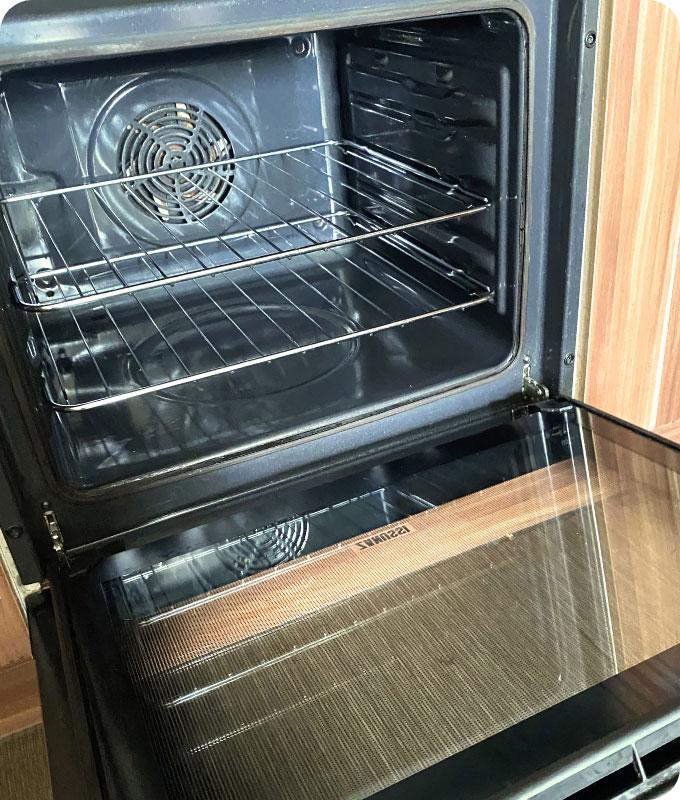
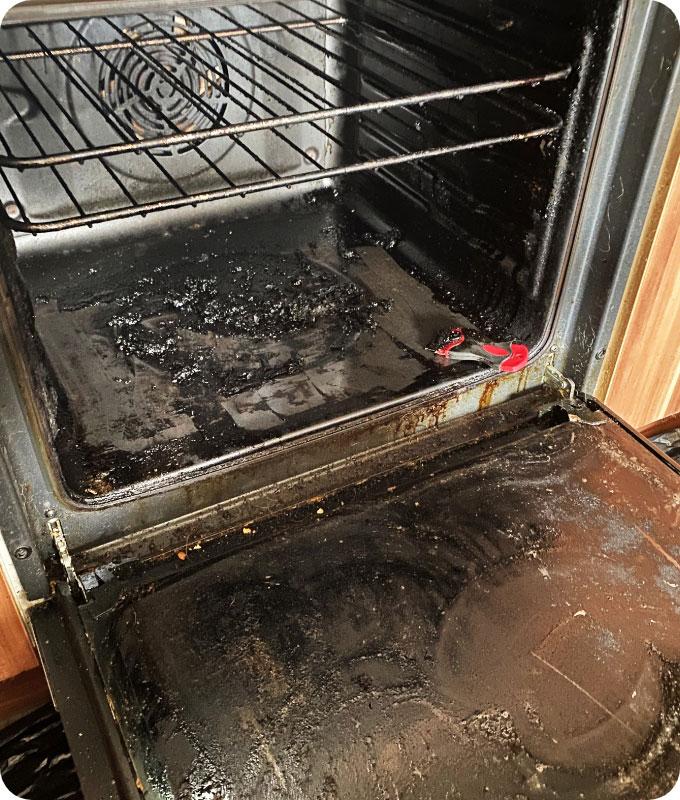
Price is set by the number of rooms rather than by hours, with additions listed separately. A heavily used cooker is worth booking as a dedicated appointment for fully insured oven cleaning in Kirkcaldy, since a neglected appliance can take longer than a bedroom. The flat should be genuinely empty, with power and hot water still connected on the day. The room-by-room standard nationally sits on the full service.


























 Get the app


