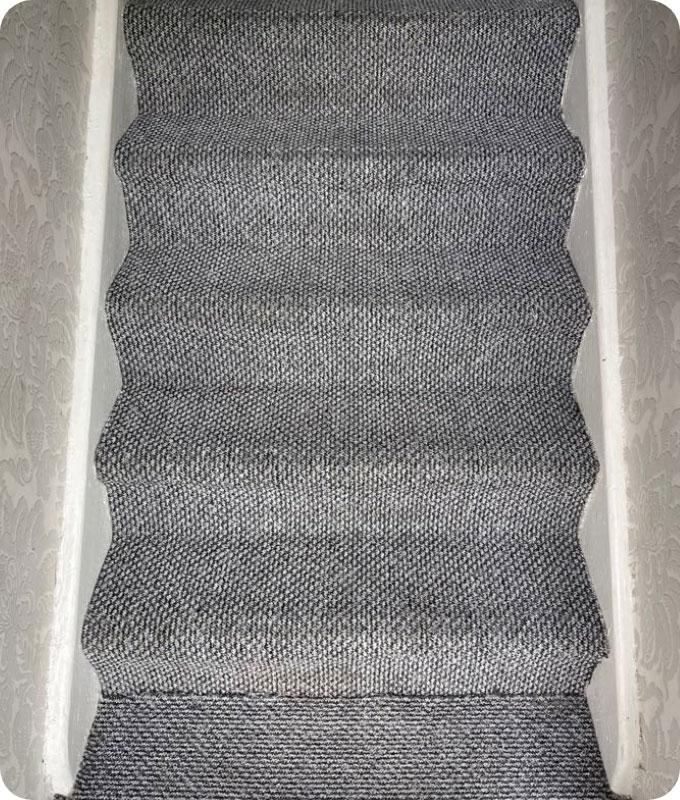
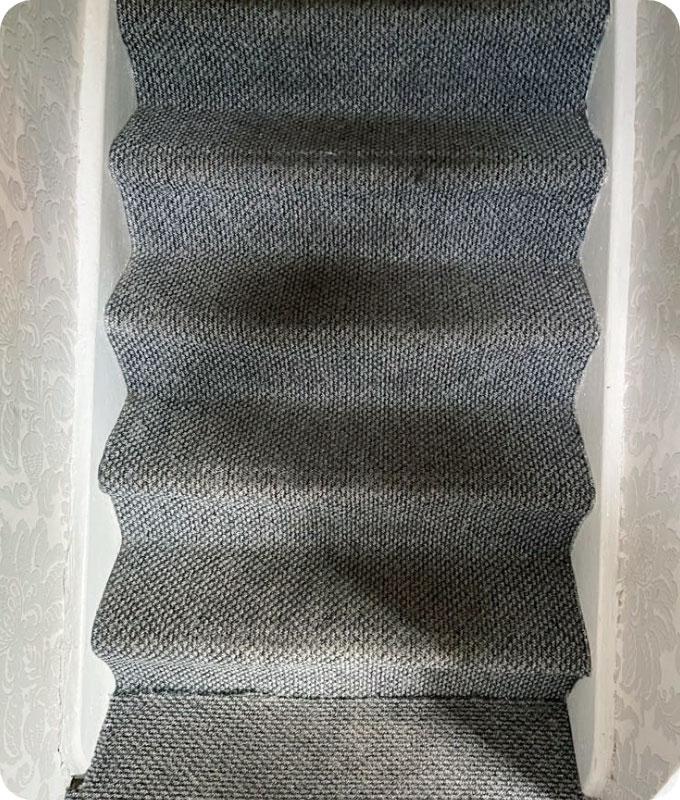
The common stair is the defining feature of tenement living and the hardest surface in the building to look after. Stone treads, a shared entrance off the street, a dozen flats using one flight, and a stair carpet or runner in the upper hall of each individual property that takes the whole load of that household. In EH1, where most residential accommodation sits above ground-floor commercial use and access runs through a street door, the logistics of getting equipment to a third-floor flat shape the job before any carpet is touched.
Getting a machine up a turnpike stair
Old stairs turn tightly, the treads are worn to a dish in the middle, and there is rarely a lift. Hose runs from a vehicle at the kerb are long and pass through a street door that cannot be wedged open in the evening, so portable equipment carried up in stages is usually the workable answer. Protecting the common stair while carrying wet hoses is expected, and the neighbours notice if it is not done.
Soft water changes the chemistry
The supply here is soft, which is a real advantage and an occasional trap. Detergent lathers readily and very little is needed, so a dose measured for hard water produces far more foam than the recovery tank can cope with and leaves residue in the pile. Residue is what makes a carpet re-soil quickly, so the correction is less product and more rinsing rather than the reverse. Limescale marks are rare here, which removes one problem that dominates cleaning further south.
Drying in a cold stone flat
Thick stone walls, generous ceiling heights and sash windows that leak air without ventilating usefully make for rooms that hold cool, damp air for much of the year. A floor that would dry in three hours elsewhere can still be damp the following morning, and damp underlay against a cold solid floor is where problems start. Less water goes in, more is recovered mechanically, and air movers are standard rather than an optional extra.
Short lets and turnaround between guests
Properties let by the week face a turnaround measured in hours, often with arrivals the same afternoon as departures. Low-moisture methods matter here for the dry time as much as for the result, and the floors are treated after the rest of the flat rather than before. Where a full handover clean is needed between tenancies, that sits with what the service covers, and the two are usually booked as one appointment.
After work on an old building
Renovation in a stone tenement produces lime and plaster dust that is alkaline, extremely fine and still settling for weeks after the trades have finished. A carpet laid before the work is complete collects it deep in the pile, where it dulls colour without ever looking like a layer of dust. Wetting it before removing it dry bonds it into the fibre. Post-construction work of that kind is covered by experienced builders clean in Edinburgh, and floors are cleaned once it is done.
Water coming from above
A blocked rone or a failed gutter joint in a tenement discharges down the face of the building, and the water finds its way into the top-floor flat or down an internal wall long before anyone notices the overflow outside. Top-floor carpets damaged this way tend to be dried and cleaned repeatedly with no lasting result until the cause is dealt with, which is why the roofline work handled under our gutter cleaning service in Edinburgh usually needs to come first.
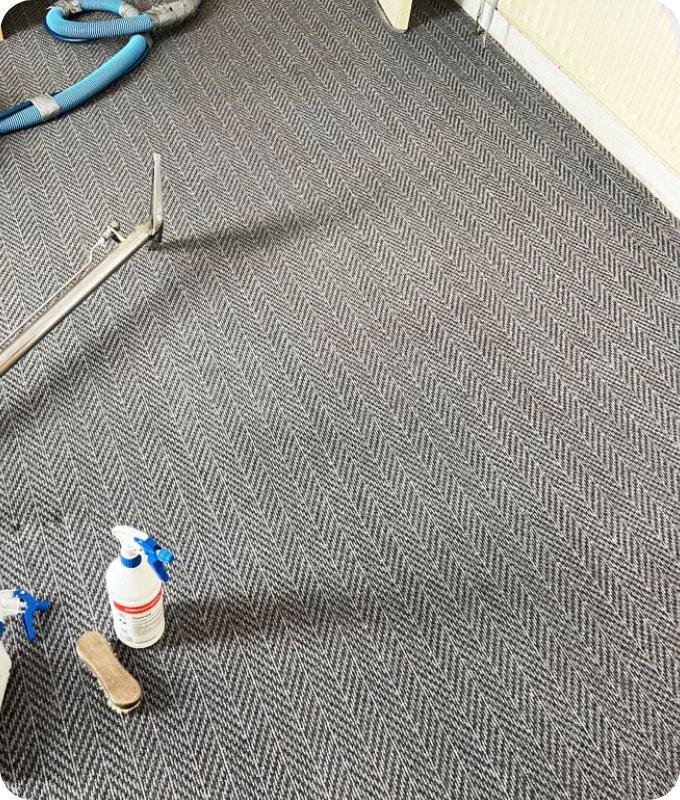
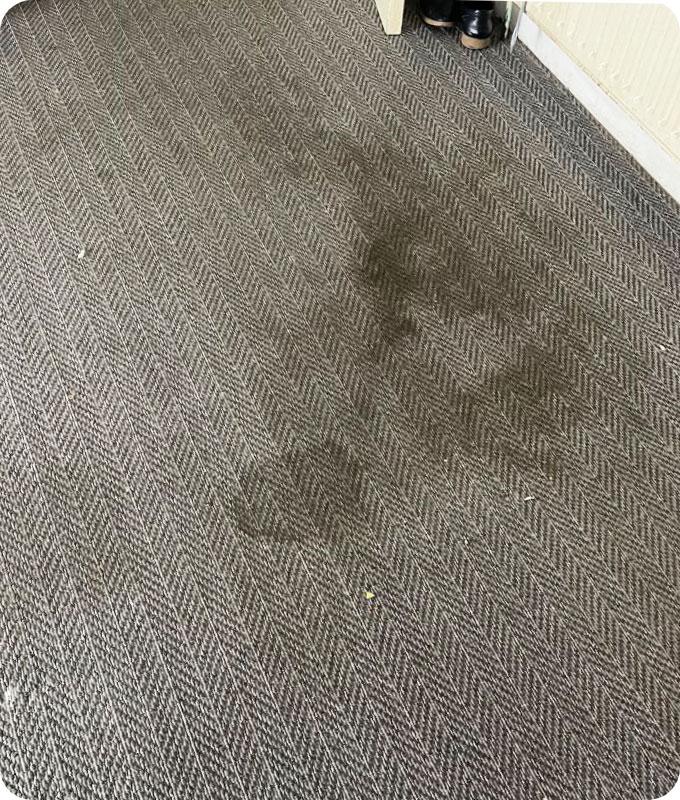
What a visit covers
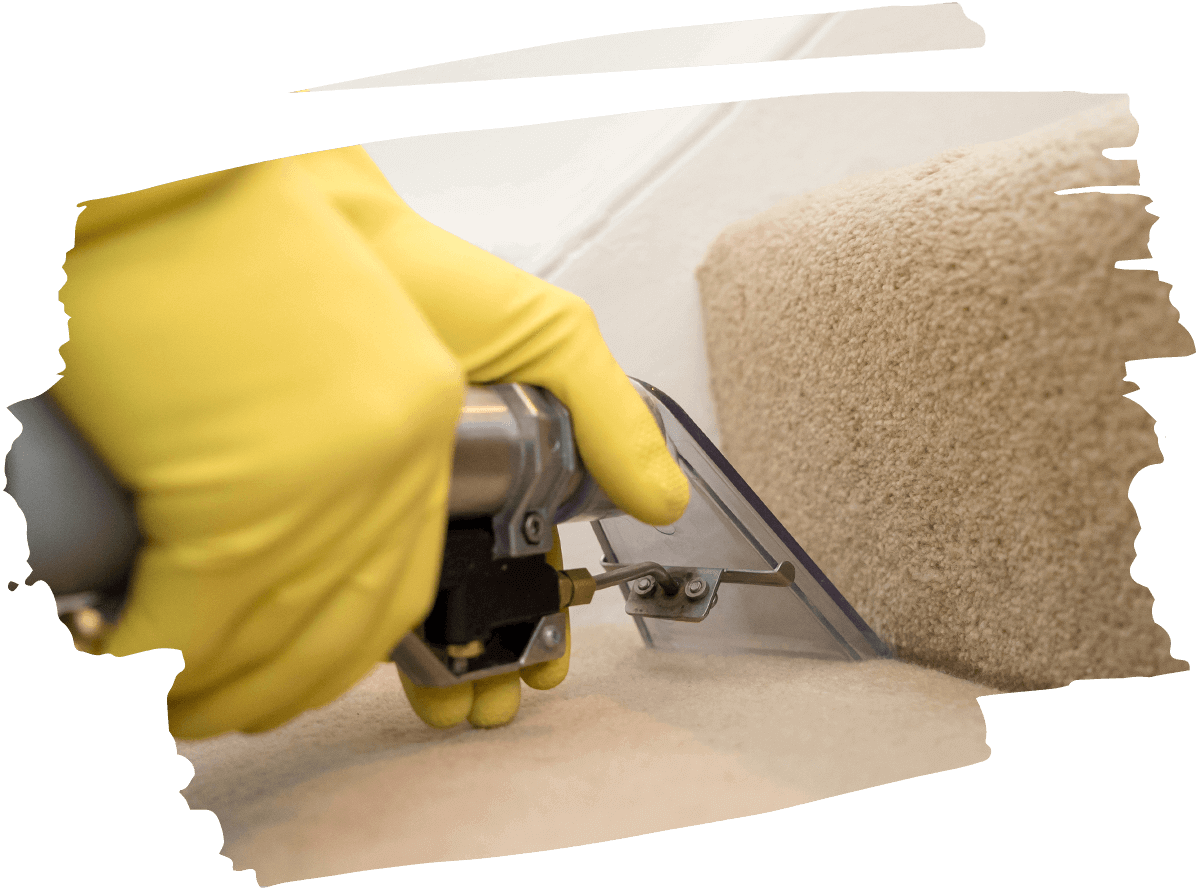
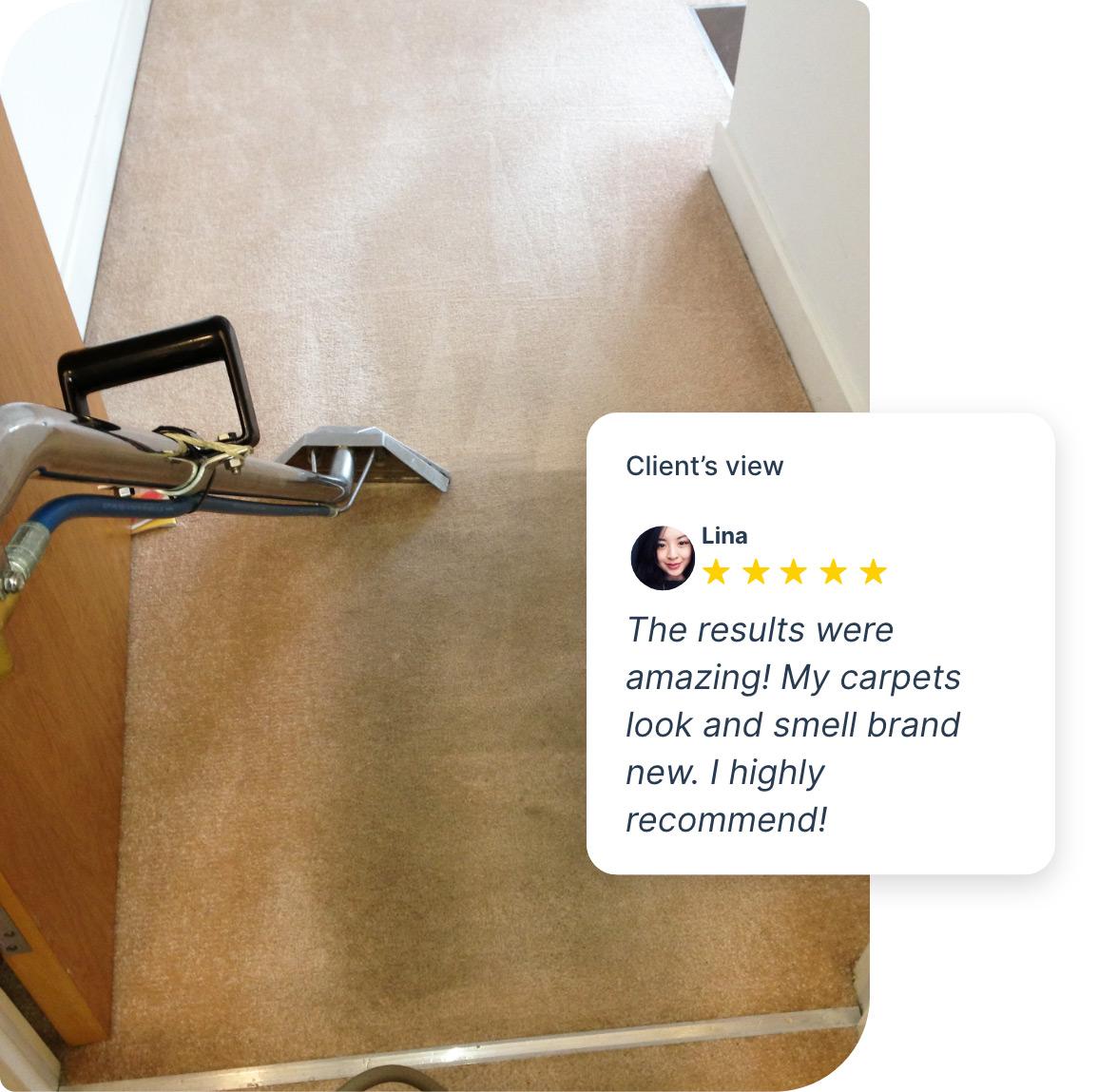
The technician checks fibre, backing and edge condition, tests for colour stability and confirms the access arrangements, including the street door and whether a parking suspension is required. Dry soil removal comes first, then pre-spray and dwell, extraction, an acid rinse where the fibre calls for it, and grooming. Charging follows measured area with each flight of stairs assessed separately. The same service runs across the water through carpet cleaning services in Kirkcaldy, and the method is published on professional deep carpet cleaning.