Shared houses complicate the end of a tenancy in a way that single lets do not. One room goes, four stay, and the kitchen everybody has been using is somehow supposed to reach a handover standard while three people are still cooking in it. A good deal of TW3 works this way — large Victorian and Edwardian terraces subdivided for sharers, often under a licence that sets minimum standards for kitchens, bathrooms and communal routes — and the cleaning has to be organised around people rather than around an empty shell.
Whose deposit is on the line
Under a joint tenancy the whole group is liable together, so a single departing sharer cannot simply clean their own bedroom and walk away. Under separate room-by-room agreements the liability splits, and the communal areas are usually the landlord's responsibility to maintain between lets. Establishing which arrangement applies before booking anything determines the scope: one bedroom and a share of the bathroom, or the entire house to a full handover specification.
Kitchens under heavy rotation
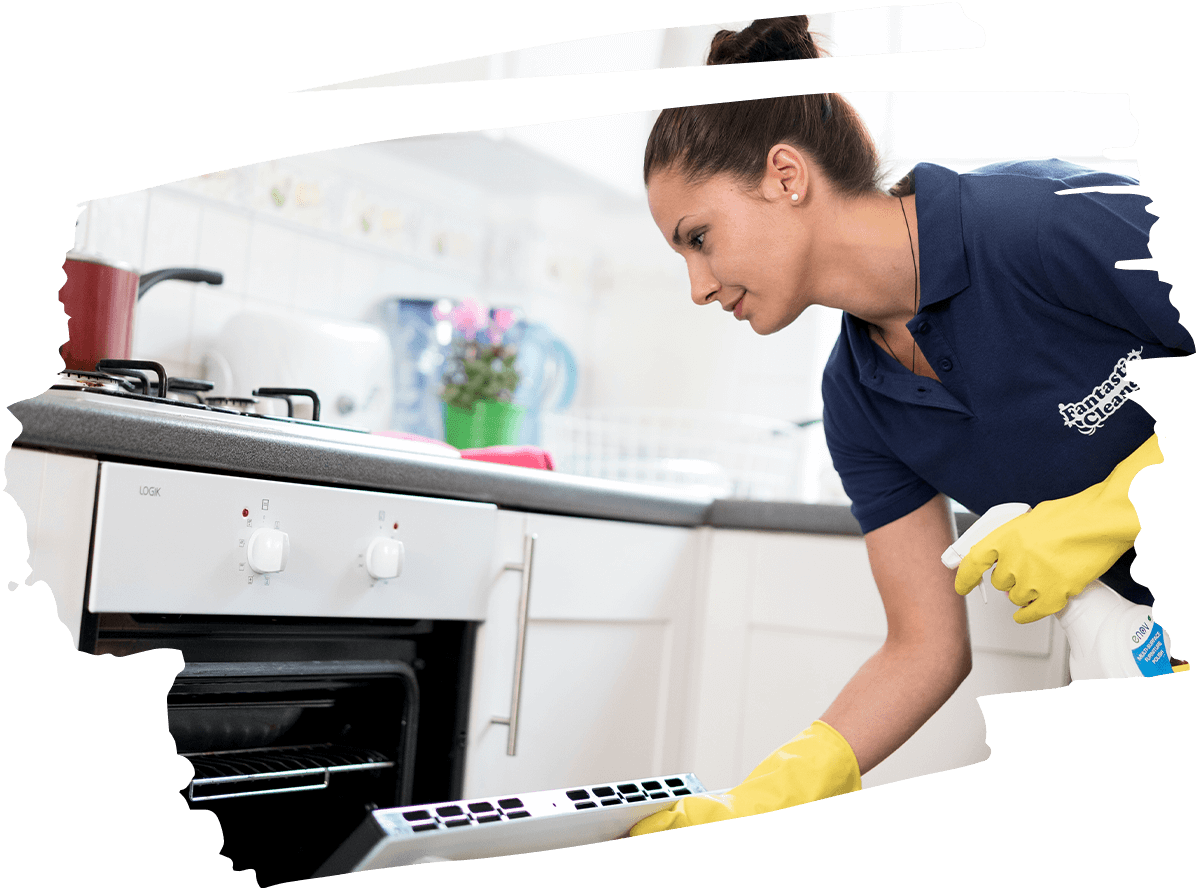
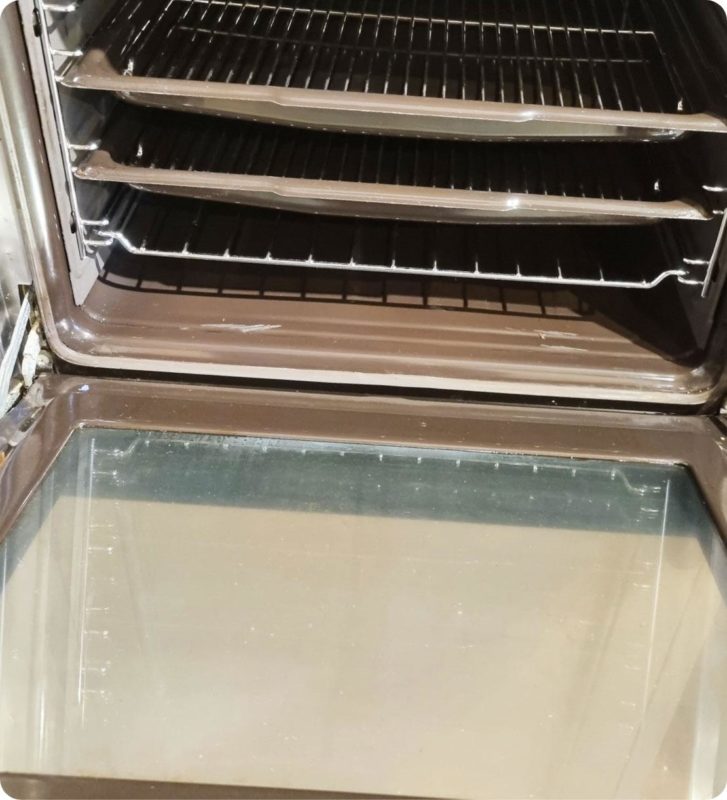
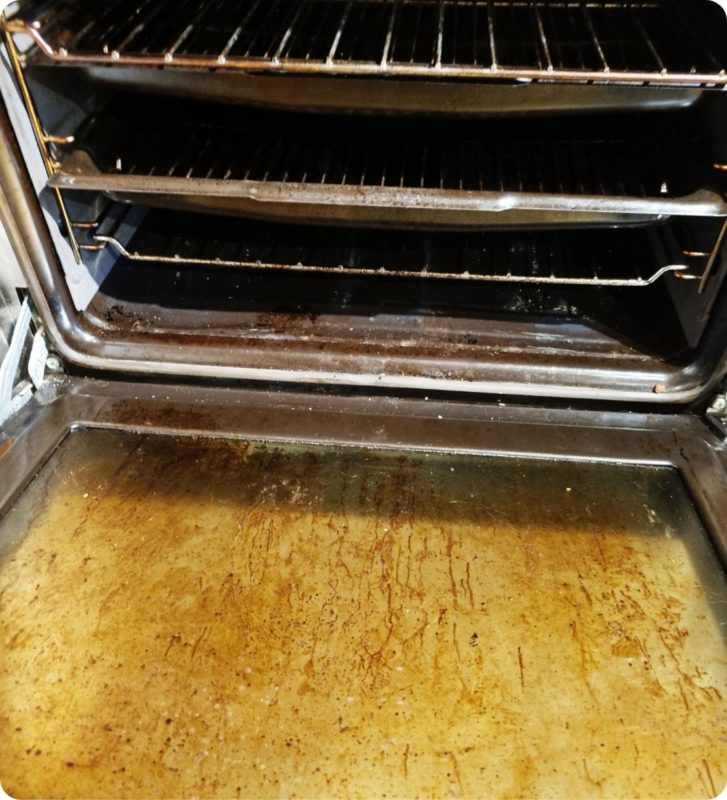
Four or five adults cooking independently put a kitchen through roughly the load a family of that size would generate, but without any single person feeling responsible for the hob. Aerosolised cooking oil settles on wall units, on the ceiling above the hob, on the light diffuser and inside the extractor canopy, where it eventually goes tacky and then hard. Alkaline degreaser with genuine dwell time removes it; a quick wipe redistributes it. Fridge and freezer interiors, shelf runners and door seals need emptying and defrosting the night before, not on the morning.
Bedrooms that have been lived in at full occupancy
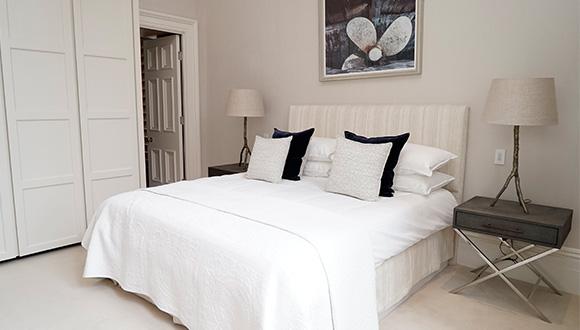
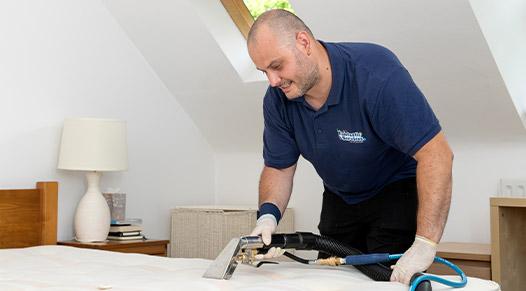
A sharer's room is a bedroom, study, drying space and occasionally a dining room at once, and it shows. Condensation marks around window reveals, dust drifts behind a wardrobe that has not moved in two years, adhesive residue where posters were fixed to painted plaster, and marks along the wall beside the bed. Removing tape residue calls for a solvent chosen for the paint finish rather than the strongest one available, and testing it in a corner first is the difference between cleaning and redecorating. Mattresses and bed bases are listed individually on most licensed-house inventories, so both want lifting and vacuuming rather than simply having the bedding stripped off them.
Staircases, hallways and the parts nobody claims
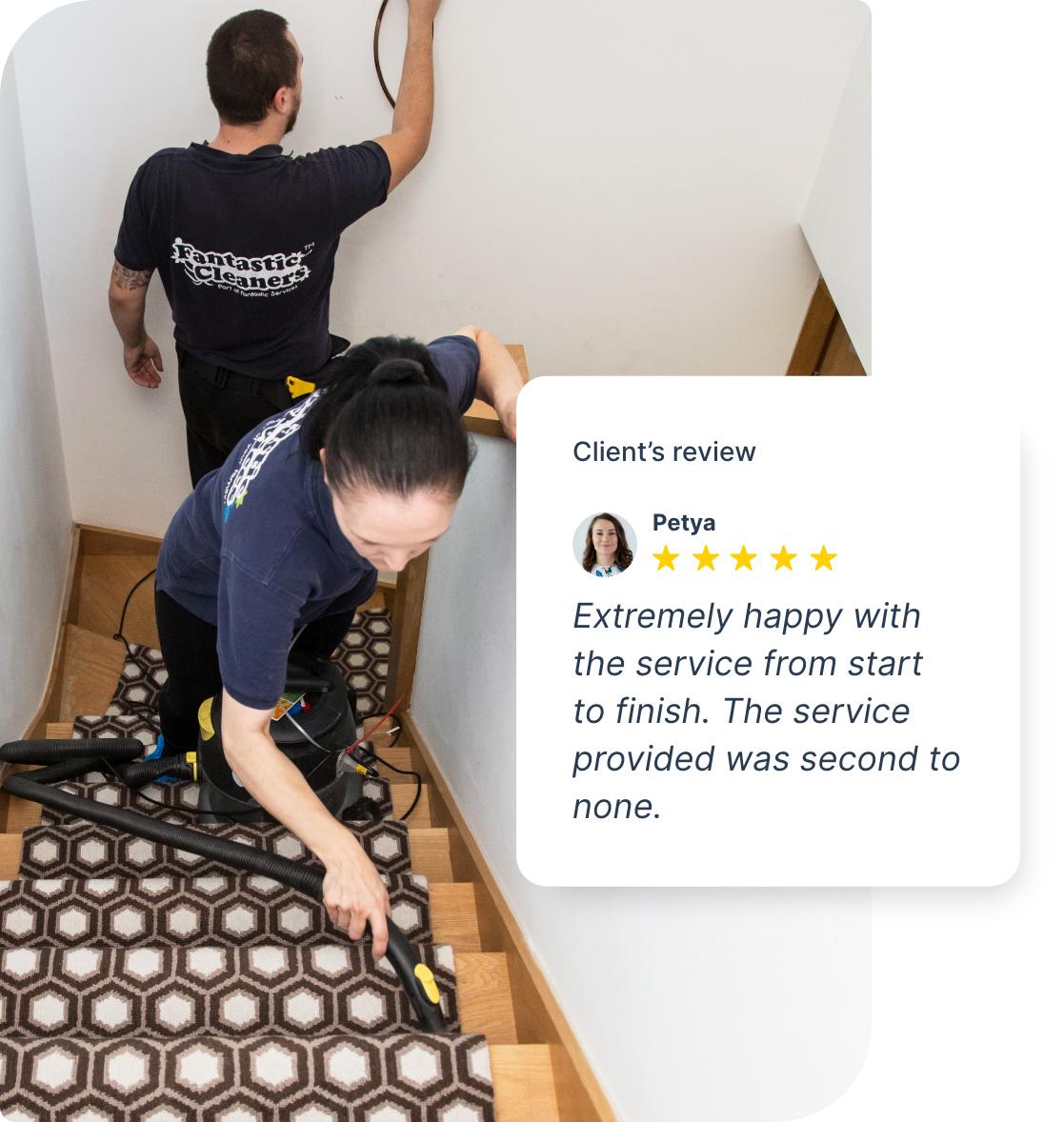
The communal route through a converted terrace carries every person and every piece of furniture that enters the building, and no individual tenant regards it as theirs. Treads, risers, handrails, the glazing in the front door, meter cupboards and the drift of post behind the door all appear in licensing inspections and in check-out reports. Where the same standard is wanted on a recurring basis rather than once at the end, that falls under local cleaning services across Twickenham.
Timing the work around a staggered move
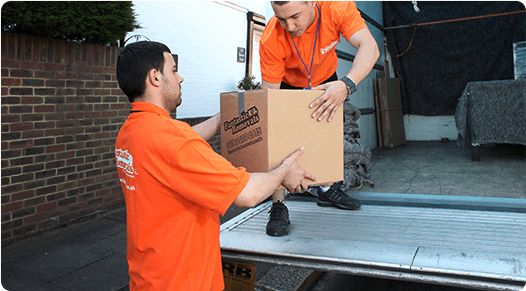
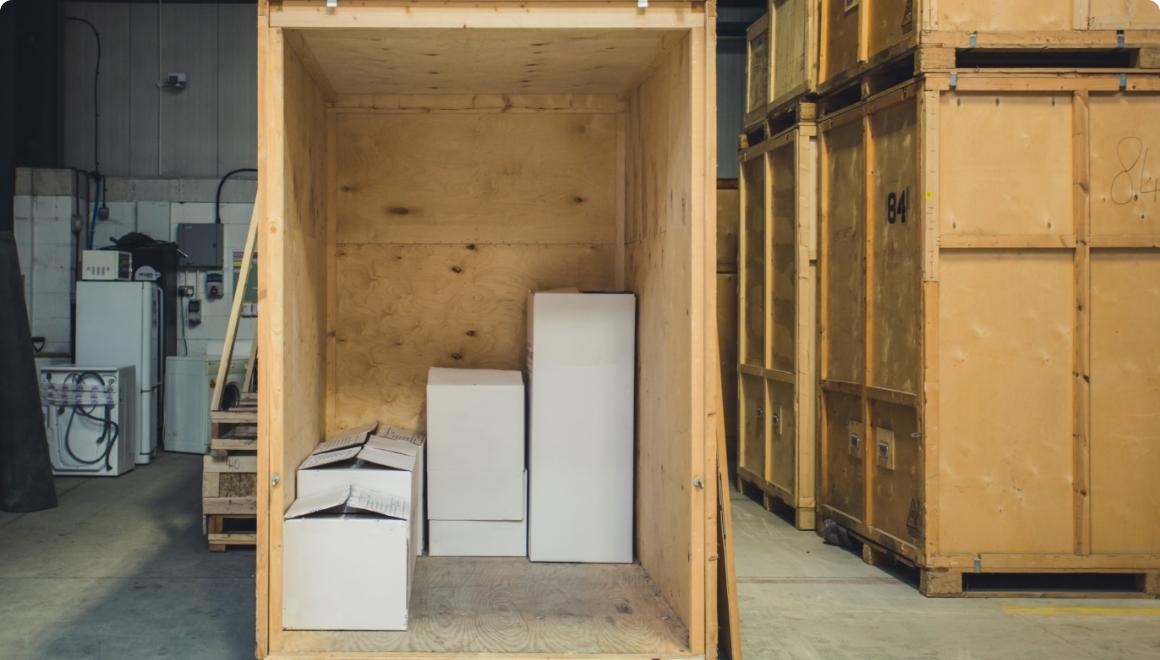
Only rarely does everybody leave on the same day, so the practical answer is to clean the vacated room and the communal areas on the changeover date and accept that the kitchen will need a second look before the incoming sharer arrives. Furniture leaving the building should go first: a wardrobe carried down a narrow staircase after the floors have been done undoes the morning. That lifting is what Hounslow removals services exists for, and single awkward loads are what fully insured man and van in Hounslow handles.
Scoping, access and the practical detail
Pricing follows the number of rooms and their condition rather than an hourly rate, so an accurate description of occupancy at the point of booking matters more than it does in an empty flat. Someone needs to let the team in and keep the vacated room accessible. Where the same specification is wanted further out, the arrangement in Bordon runs on the team covering Bordon, and the underlying scope is set out on more about this service.