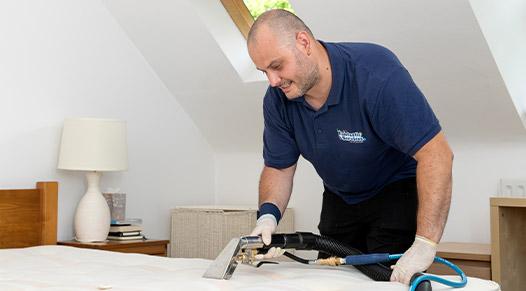
Carpet is the most frequent single cause of deposit disputes in the private rented sector, and W6 is overwhelmingly a rental district. Flats in converted terraces and purpose-built blocks change hands constantly here, and the condition of the floor at check-out is argued over far more often than the condition of anything else in the property.
Fair wear and tear, and where the line actually sits
A tenant is responsible for damage, not for the ordinary consequence of living somewhere. A worn traffic lane after three years in a hallway is wear. A burn, a dye spill or an untreated pet accident is damage. Adjudicators also apportion by the age and expected life of the carpet, so a nine-year-old budget carpet at the end of a long tenancy attracts a very different judgement from a new one damaged in month two. Understanding that distinction saves a great deal of pointless correspondence.
The check-in report settles most arguments
Whatever a landlord and tenant remember, the inventory is what an adjudicator reads. A check-in report with dated, well-lit photographs of each room's floor, including the areas nobody thinks to photograph such as under the bed and behind the door, is the single most valuable document in the file. Where the check-in is vague, a claim for carpet cleaning or replacement is difficult to sustain, because the starting condition cannot be established.
Evidence, dates and deposit schemes
Deposits held in a statutory scheme are adjudicated on documents. That means an invoice showing the address, the date and what was actually done carries weight, while a general receipt does not. A professional clean carried out after the tenant has vacated and before the check-out inspection, with the paperwork attached to the file, both supports a legitimate claim and protects a tenant who has done the right thing.
Cleaning to a standard rather than to a shine
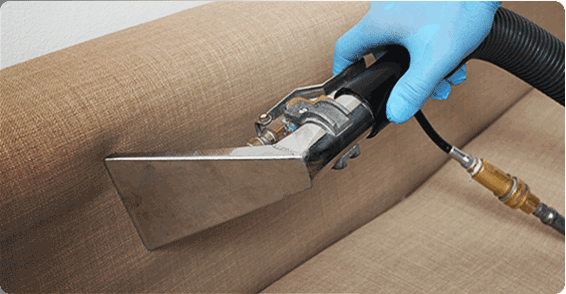
A tenancy agreement cannot require a carpet to be returned better than it was received. What it can reasonably require is that it is returned in a comparable state of cleanliness. That means soil removal, treatment of any marks that appeared during the tenancy and a properly dried floor, not an attempt to disguise wear. Overworking an old carpet with aggressive chemistry to chase a shade it no longer has usually distorts the pile and helps nobody.
The order of work in the final week
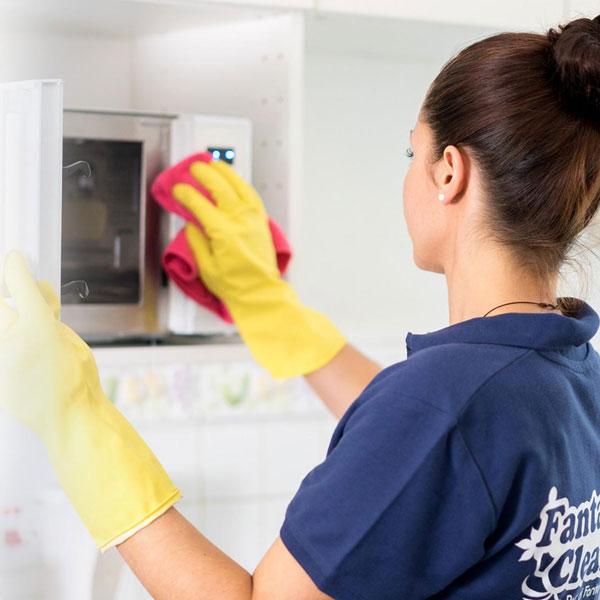
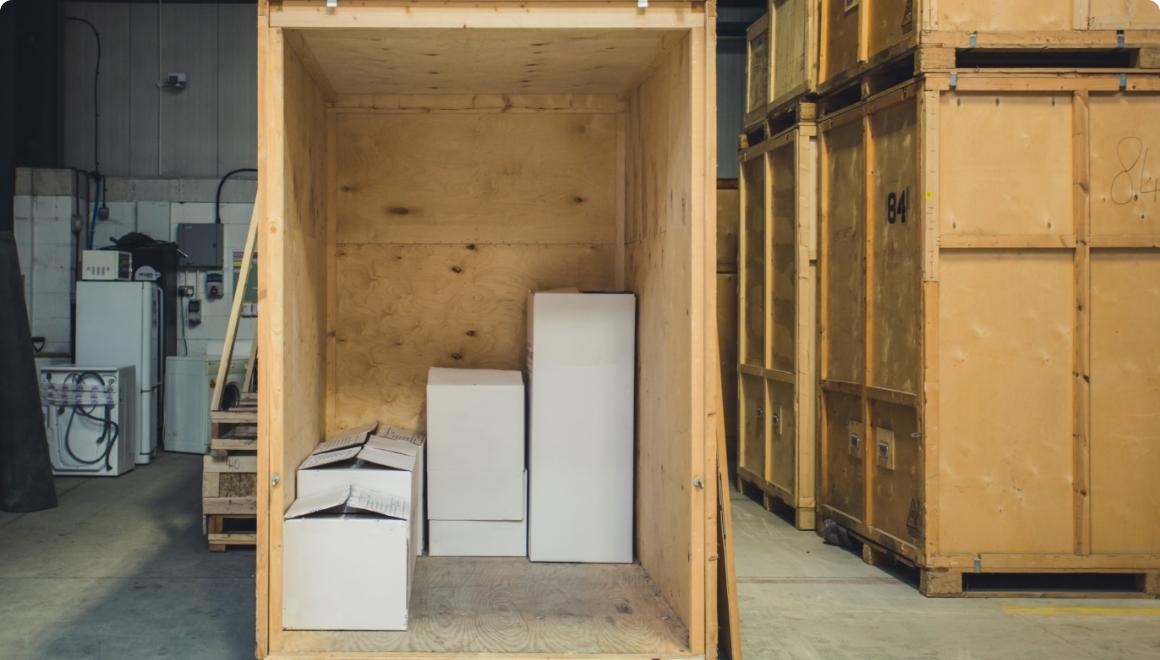
Carpet comes near the end. Furniture and belongings leave first, then the property is cleaned through, and extraction happens last so nothing is carried back across a damp floor. Where the move itself is being handled, scheduling the van ahead of the cleaners keeps that sequence intact, which is why a job like a local professional is usually booked for a day or two before the floor work. The full tenancy-end scope is set out on end of tenancy cleaning team in Hammersmith, and the carpet element sits inside it rather than alongside it.
The parts of a let that are easy to forget
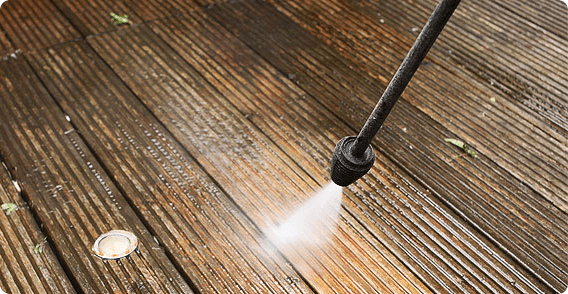
Communal entrances, a shared side passage, bin stores and a front path all appear in some inventories and are routinely overlooked at check-out. Washing down external hard surfaces, in the manner described on pressure washing services in Ladbroke Grove, addresses the part of the property an incoming tenant sees before anything else.
What to arrange and how it is charged
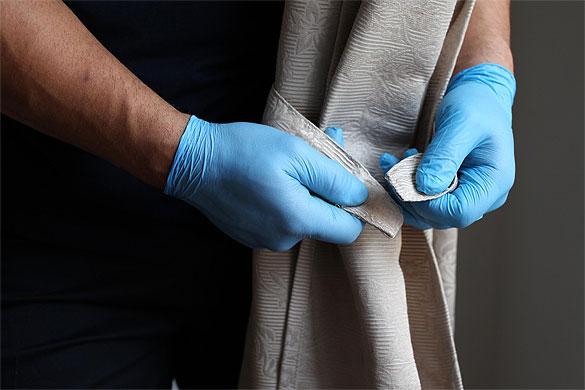
Charging is by room with staircases separate, and heavily marked areas identified before work begins so nobody is surprised by a supplementary charge. The property needs to be empty, utilities on so machines can run and water can be drawn, and access agreed if keys have already gone back to the agent. Soft furnishings in a furnished let are covered by the approach on Hammersmith upholstery cleaning service, wider property preparation is handled through our cleaning services in West London, comparable local work is described on carpet cleaning specialists in West London, and the technical background is on trusted steam carpet cleaning.