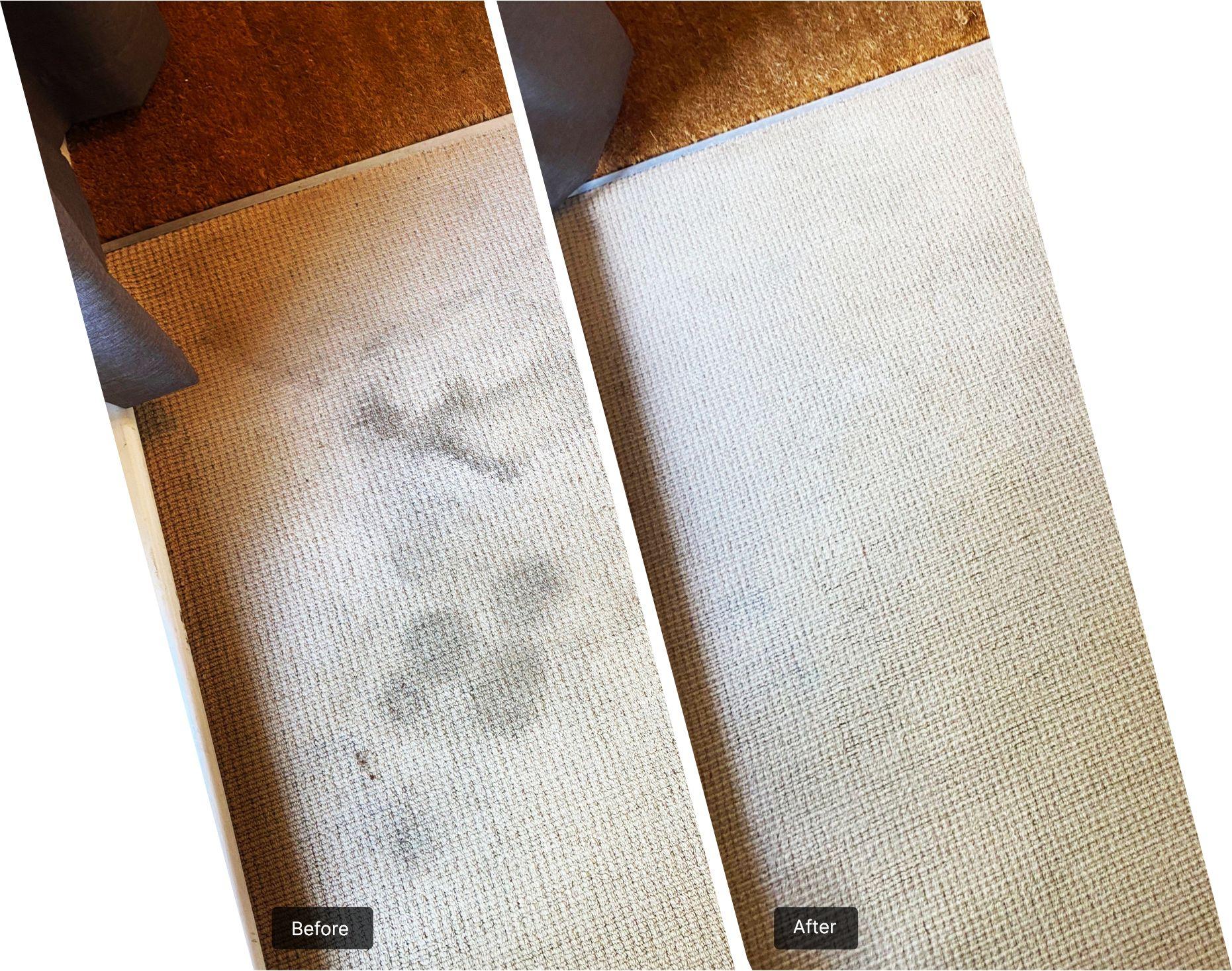
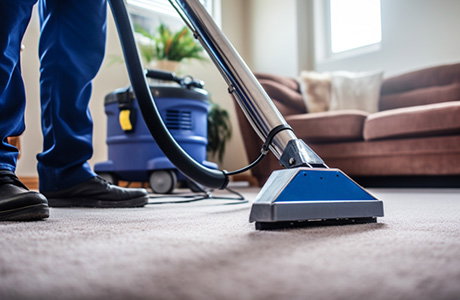
Nothing slows a carpet cleaning visit in SW5 like furniture. The district is full of large Victorian and Edwardian houses divided into small flats, where a studio or a one-bedroom holds a double bed, a wardrobe and a sofa in rooms that were designed as one half of a drawing room. Roughly a third of the carpet in a flat like that is under something heavy, and that is precisely where soil, dust and moth damage accumulate.
What moves and what stays
Sofas, dining chairs, coffee tables, floor lamps and anything on castors are moved as a matter of course, cleaned beneath and set down on protective pads or blocks so no untreated timber or metal foot stands on a damp backing. Built-in wardrobes, full bookcases, beds with storage drawers and anything holding electronics are generally left, with the carpet cleaned up to and slightly beneath the edge. Being clear about that split before the day avoids a disagreement on it.
Emptying a room properly is worth the hour
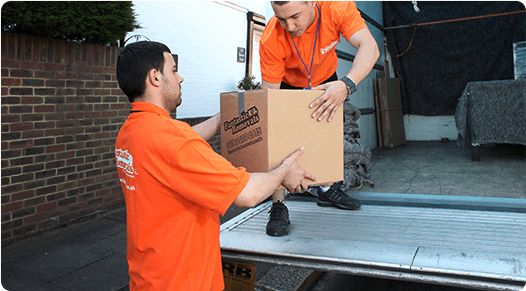
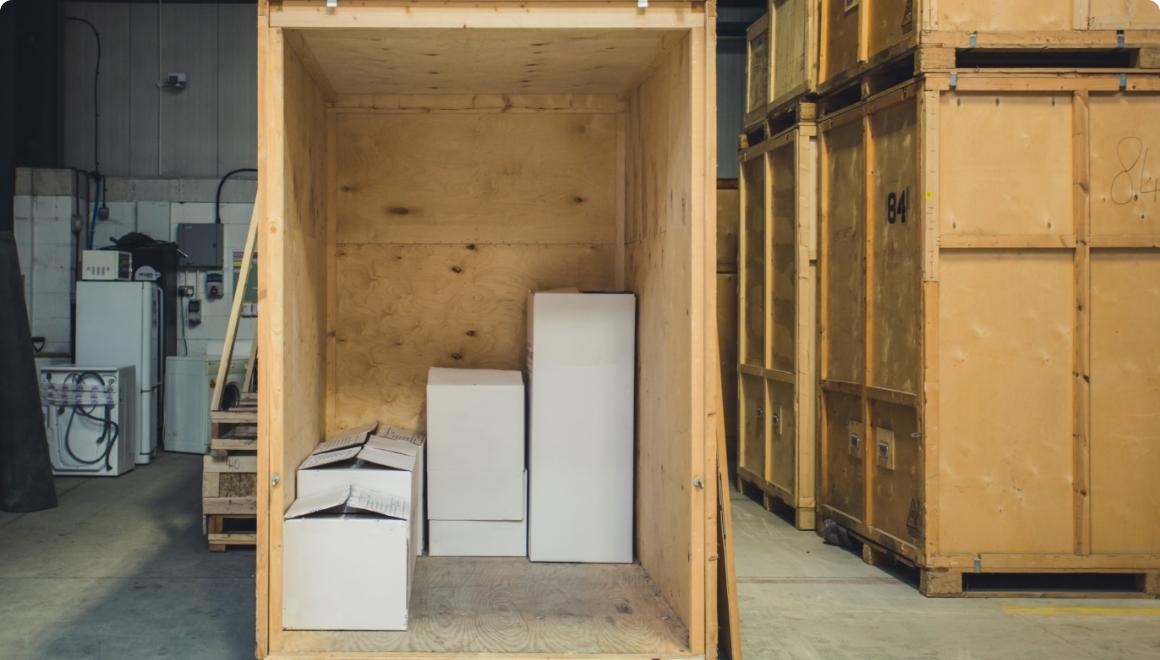
A room cleaned empty comes out visibly better than the same room cleaned around its contents, and it also dries considerably faster because air can reach the whole floor. Where a flat is being cleared anyway, or where storage is being used, the two jobs are worth sequencing together — the moving half of that is the sort of work handled through man and van across Earl's Court.
Lifting a carpet and putting it back
Occasionally the right answer is to release the carpet from the gripper rather than clean it in place: heavy contamination that has reached the underlay, a floor that needs drying from below, or a repair at a seam. That is a fitting operation. The carpet has to be power stretched back onto the gripper afterwards or it will ripple within weeks, and a threshold bar that has been lifted needs refixing properly rather than tapped back down.
Doors, bars and the small jobs a clean exposes
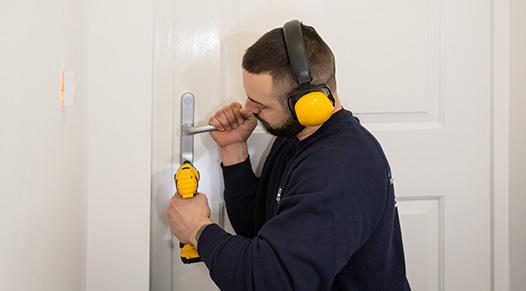
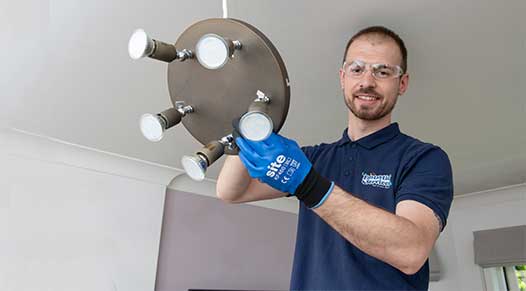
A groomed pile sits slightly higher than a flattened one, so a door that used to clear the carpet can begin to catch, and a worn threshold strip that nobody noticed becomes obvious once the floor either side is clean. Easing a door, refixing a bar or securing a loose gripper are all minor tasks better dealt with at the time, and they fall to handyman for flats in Earl's Court rather than to the cleaning visit itself.
Where everything goes while the floor dries
In a flat with one bedroom there is nowhere to put a bed for the afternoon, so the work is staged rather than done all at once. A common approach is to clean the reception room and hall first, move what needs moving into the dried area later in the day, and take the bedroom last so it is ready by evening. Anything that has to stand on damp carpet does so on blocks or foil pads rather than directly on the pile, and a bed is best left slightly out of position until the floor beneath it is fully dry. Planning that sequence at the point of booking is far easier than improvising it with a machine already running.
Under the bed and behind the wardrobe
These are the areas that matter most in a small flat. Undisturbed wool pile is where clothes moth larvae feed, dust accumulates into a dense mat, and dropped items sit for years. Reaching them requires moving furniture, which is the whole argument for doing it properly once rather than cleaning the visible floor repeatedly. Wider household work sits within what the service covers.
Planning the visit
Areas are counted as rooms, halls and staircases, and access details matter here more than most places: shared entrances, narrow staircases with winders and controlled parking all shape how equipment arrives. Confirming which floor the flat is on, and whether there is a lift, changes what is brought. Fabric furniture is covered by upholstery cleaning across Clapham, comparable districts across the river by vetted carpet cleaning in Clapham, and the methods themselves on the full service page.