Walls get dirty in a pattern, and the pattern tells you what a house is used for. A dark band beside the light switch at the bottom of the stairs, a smear at shoulder height along a narrow hall, a halo behind the sofa cushions, black flecks above the radiator - these are the marks that make an otherwise clean room look tired, and they are almost never addressed by a routine visit because nobody thinks of a wall as a surface to be cleaned.
Knowing what the paint will take
The first question is always the finish. Contract matt and chalky heritage emulsions have an open surface that holds dirt and burnishes to a shiny patch the moment they are rubbed, so they can be touched with a barely damp sponge and light pressure at most. Washable matt, eggshell and satin tolerate detergent and a cloth. Gloss and modern acrylic eggshell on skirtings, architraves and doors will take a proper wash. Trying to scrub a chalky wall clean removes the paint film rather than the mark, and leaves a patch that shows under raking light for as long as the room stands.
Method for washing down joinery
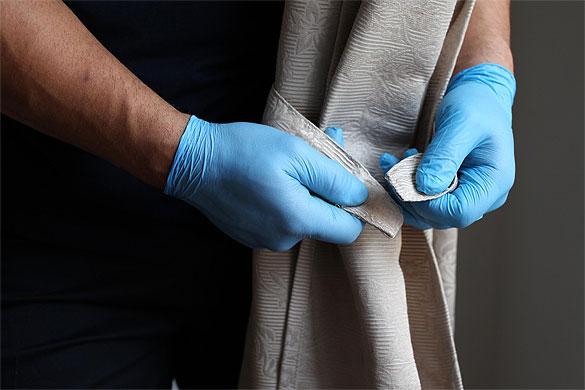
Painted woodwork is dusted dry first, because a wet cloth on a dusty moulding produces grey streaks in every quirk and recess. Then a weak detergent solution, worked in sections from the bottom upwards, which prevents dirty runs drying onto clean paint below. The top edge of a door, the underside of a handrail and the flat of a picture rail hold a felt of dust that has been there since the room was last decorated. Two cloths are used, one to wash and one to dry, and the water is changed before it turns grey.
Switches, handrails and the places hands land
Skin oils are the binder for most of the dirt on vertical surfaces. Switch plates, door handles and escutcheons, the newel post and the first metre of banister above it, cupboard fronts either side of the hob, and the edge of every door pushed open with a palm - these carry a film that attracts dust and darkens steadily. They are cleaned with detergent rather than polish, since polish over an oily film simply seals it in. Electrical fittings are wiped with a cloth damp enough to clean and dry enough to be safe.
Light fittings, shades and the ceiling zone
Above head height, dust bonds with the warm air rising off lamps and radiators. Fabric shades are brushed or vacuumed with an upholstery head rather than wiped, glass shades come down and are washed and fully dried before they are refitted, and pendant flexes get a cloth run down them. Cornice, ceiling roses and the tops of tall furniture are done with an extending duster before any floor work, since everything dislodged there is going to land.
Marks that are not dirt
Some things will not come off, and pretending otherwise wastes an hour. Scuffs from rubber soles, biro, permanent marker and impact dents in plaster are decorating jobs. Mould flecks above a radiator or along a cold external wall are a ventilation matter rather than a surface one. Nicotine staining on old emulsion needs sealing and repainting, not washing. Saying so early is more useful than trying and burnishing the wall in the attempt.
Fitting wall work into a schedule
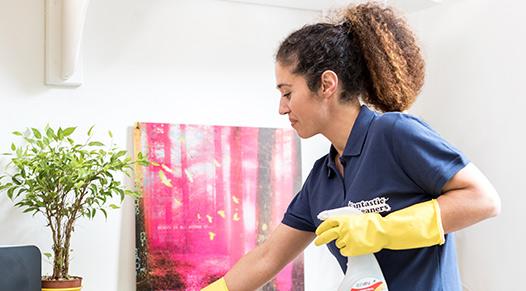
Washing down paintwork is a rotating task rather than a weekly one: hall, stairs and kitchen perhaps twice a year, bedrooms far less. That cycle is easiest to maintain inside a standing arrangement such as cleaning services specialists in Fulham, where it can be slotted in a room at a time. Where the floor covering in the same room is holding soil, rug cleaning services in Fulham deals with the part no surface work will reach, and households a few streets east keep the identical rotation going through our domestic cleaning in Parson's Green.
What to sort out beforehand
The work is timed, and moving furniture away from walls is the slowest part, so a hall and staircase are quick while a full sitting room is not. Pictures and mirrors are best taken down by the household rather than by the cleaner. It helps enormously to know which rooms were last painted in matt emulsion and whether any touch-up paint exists. Everything else available for the house is listed on how it works.