Almost every handover that goes wrong starts with something left behind. Not dirt - objects. A wardrobe that would not fit in the van, a mattress propped in the hall, three bags of clothing for a charity shop that never got taken, a desk in the spare room. None of it can be cleaned around, none of it can be taken by a cleaning team, and all of it turns into a deduction. In N4, where shared houses and small conversion flats turn over constantly, this is the recurring theme.
Rubbish is a legal category
Waste from a household has to be carried by someone registered to carry it, and whoever produced it keeps a duty of care over where it ends up. That is why a licensed collection issues a transfer note and why a cheap van offered on a local page does not. If waste from a property is later found fly-tipped, the trail leads back to the address it came from, and the fact that money changed hands is not a defence.
What a cleaning team can lawfully take
A tenancy clean removes what it generates - used cloths, packaging, the contents of a bin - and nothing else. It does not include clearing furniture, electrical items or bagged waste, because the vehicle is not licensed for it and there is nowhere lawful to put it. This surprises people on the morning of a move, and by then there is no time to solve it. A collection arranged separately through fully insured man and van services in Finsbury Park the day before removes the problem entirely.
The items with rules of their own
Fridges and freezers contain refrigerant gas and cannot go with general waste. Mattresses are handled separately almost everywhere because of their bulk and their fire treatment. Televisions, monitors and small appliances fall under electrical waste rules. Paint, solvents and batteries are hazardous and need a specific route. Leaving any of them in a communal bin store in a converted house produces a charge to the freeholder, which finds its way back to the tenancy soon enough.
The cupboard that was never emptied
Under-stair cupboards, the space above a stair bulkhead, a cellar hatch and the eaves behind a knee wall in a loft room all get filled in the first month of a tenancy and are never opened again. A clerk opens them. Emptying them a week before the move rather than on the day is the single most useful thing a departing tenant can do, because it converts a panic into an ordinary errand.
Bin stores in converted houses
A Victorian terrace divided into three flats usually has one set of bins in the front area and a collection schedule nobody living there has memorised. Overflowing bins on the day of an inspection read badly, and putting a tenancy's worth of surplus into them is what causes it. Shared front areas are also where abandoned items get parked, which is a complaint waiting to happen. The equivalent tenancy service in the neighbouring district is described under end of tenancy cleaning for rented homes in Highgate.
Clearing first, cleaning second
The order is not negotiable. A floor cannot be cleaned under a wardrobe, and a room cleaned before the last load leaves is cleaned twice. Where a whole property is being emptied, fully insured flat removals in Finsbury Park handles the move itself, while Bounds Green removals specialists and flat removals in Crouch End cover the same work in the districts either side. The clean goes in after the property is genuinely bare.
Worth doing a week early
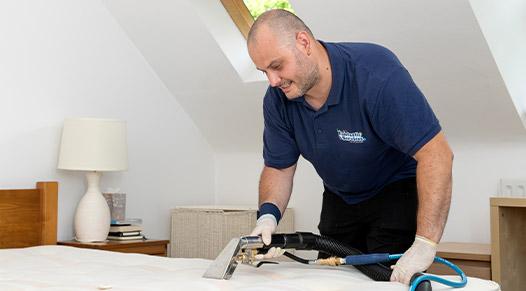
The property should be empty, the fridge defrosted with the door left open, and the utilities still connected. Pricing follows the number of bedrooms and bathrooms with named additions rather than an hourly rate. Where carpets have taken heavy traffic in a shared house, extraction is booked as its own item under Harringay carpet cleaning service with time to dry, and the national scope of the work is set out on the end of tenancy cleaning service.