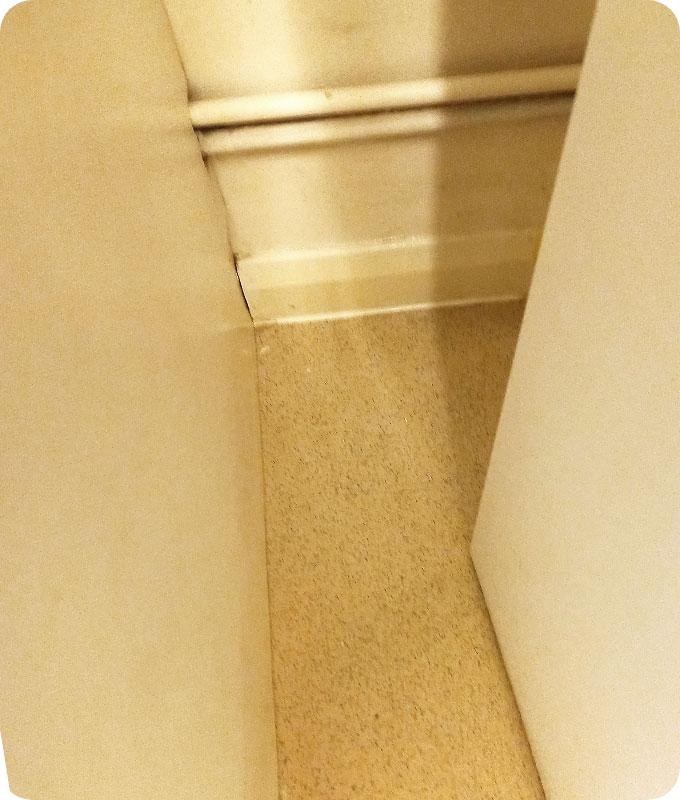
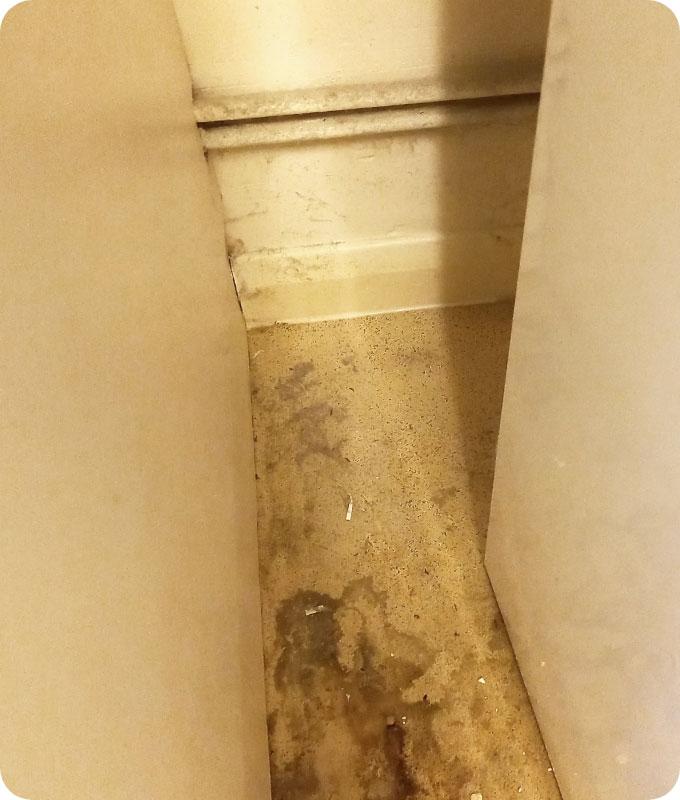
The kitchen is where a cleaning visit is won or lost, and in Woodley that usually means a room added to the back of a 1930s or 1950s semi, extended once, and fitted with units that go to the ceiling on one wall and stop short on another. Grease does not stay where it is made. It becomes an aerosol at the hob, rides the convection current upwards, and lands on every horizontal surface in the room, including several that no one has looked at in years.
The film on top of the wall units
Where cabinets stop below the ceiling, the gap above them collects a layer of oil that has trapped dust until it is the texture of soft tar. It cannot be wiped; a dry cloth just polishes it and a wet one slides over it. The method is a degreaser applied warm and left to dwell, then lifted with a scraper-backed pad, then a second pass and a rinse. Work from a platform rather than reaching from a chair, and lay protection on the worktop below, because what comes off drops.
Extractors, filters and ducting
A recirculating hood with a saturated carbon filter simply returns cooking aerosol to the room, which is why some kitchens never stop feeling greasy. Metal mesh filters come out and go into a hot alkaline soak until the grease releases, then get rinsed and dried fully before refitting. The housing above them holds as much residue as the filter does. Recirculation filters are a replacement item rather than a cleaning one, and it is worth saying which type is fitted. Where a hood does vent outside, the short length of ducting immediately behind the housing holds a surprising amount, and the external grille often turns out to be blocked by years of the same residue.
Behind and beneath the appliances
Freestanding cookers and fridges are pulled forward where the floor and the connections allow it, because the strip behind them holds spill, crumbs and a mat of dust bonded to the back of the unit by warm air from the condenser. Fridge door seals collect residue in the folds and are cleaned with a soft brush rather than pulled at. The kickboard void beneath fitted units is a standing item, since anything that goes under it stays there until somebody deliberately looks.
Sinks, waste and the smells that survive cleaning
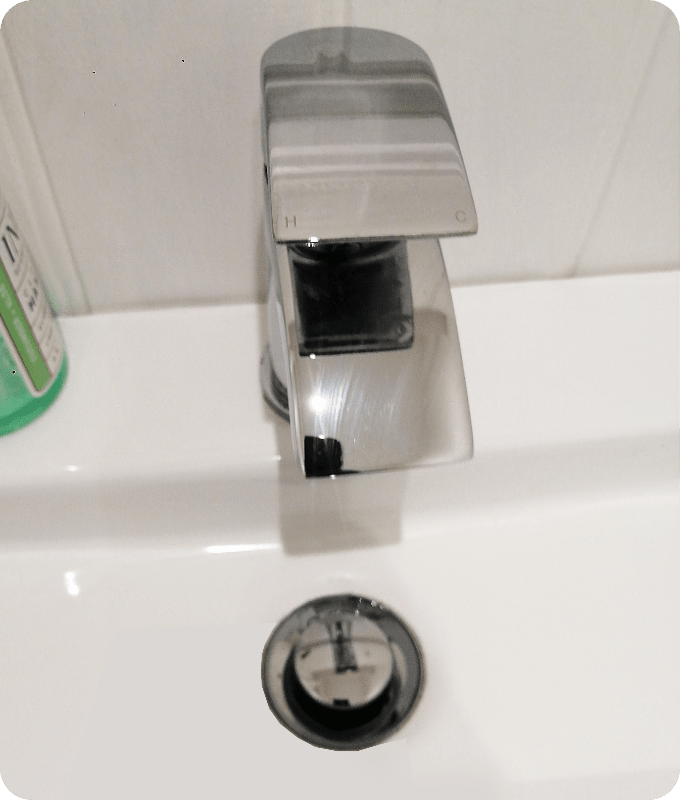
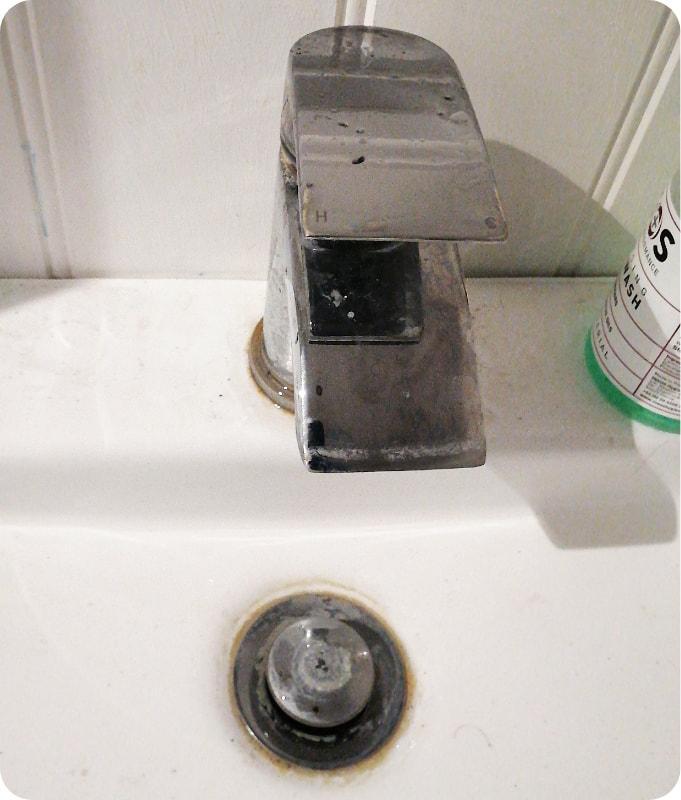
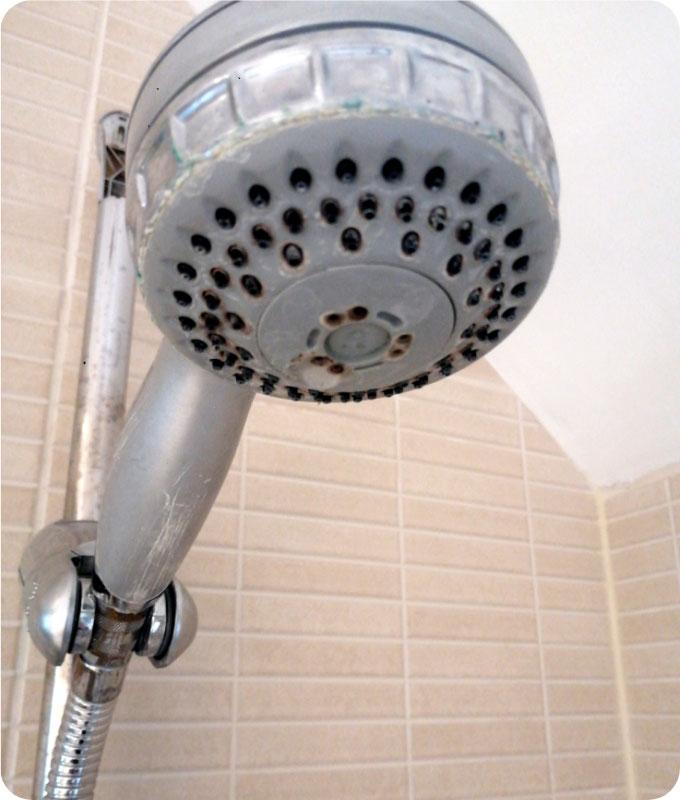
An odour that comes back within hours of a thorough clean is almost always the trap, the overflow or the waste disposal rather than the surfaces. Overflows are flushed with an appropriate solution; sink strainers come out and soak. Very hard supply water in this part of the county puts scale around the tap base and in the aerator, and mixing that with soap residue produces a dull film on stainless steel that needs an alkaline pass followed by an acidic one, in that order.
Oven interiors are a different job
Doors with multiple glass panes, catalytic liners, and racks baked into a carbonised glaze all need dismantling and soaking, which cannot happen inside a general cleaning slot and uses different chemicals entirely. That work is booked on its own and covered by Woodley oven cleaning services. Kitchen soft furnishings and adjoining carpet hold the same grease in aerosol form, and periodic extraction there is arranged as local carpet cleaning across Woodley.
Arranging the work
A deep kitchen session is longer than a routine visit and is best done with the room emptied of anything loose on the surfaces. Charging runs on hours and team size rather than a set figure per room. Appliances that cannot be moved safely are cleaned as far as reach allows, and anything that looks like a fault rather than dirt gets reported instead. Neighbouring suburbs share the same rounds, including cleaning services cover across Earley, tenancy hand-backs are scoped as Reading end of tenancy cleaning services, and the general framework is described on cleaning services explained.