Almost every argument about a cleaner is really an argument about hours. A four-hour slot in a three-bedroom house cannot deliver bathrooms, kitchen, floors throughout, dusting, bed changes and an oven; something has to give, and if nobody decides what, the cleaner decides on the day and the household is disappointed. Getting regular work right in WD17 starts with an honest conversation about how much time the property needs, which is a function of its size, its flooring and how many people live in it.
What a fixed slot can realistically absorb
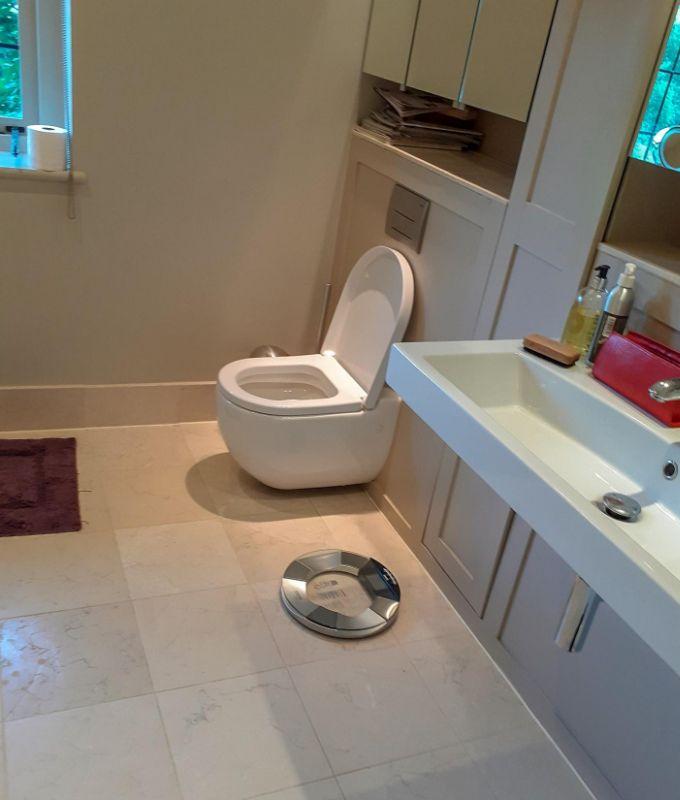
As a rough division of labour, bathrooms and a kitchen take the largest share of any visit, floors take the next, and everything else competes for what remains. A terraced house near the town centre with two bathrooms will consume most of a short slot on wet rooms alone. Households that want more covered either extend the slot or accept a longer cycle. The same time arithmetic applies to the comparable housing stock served by the service in full, where the mix of terraces and flats is much the same.
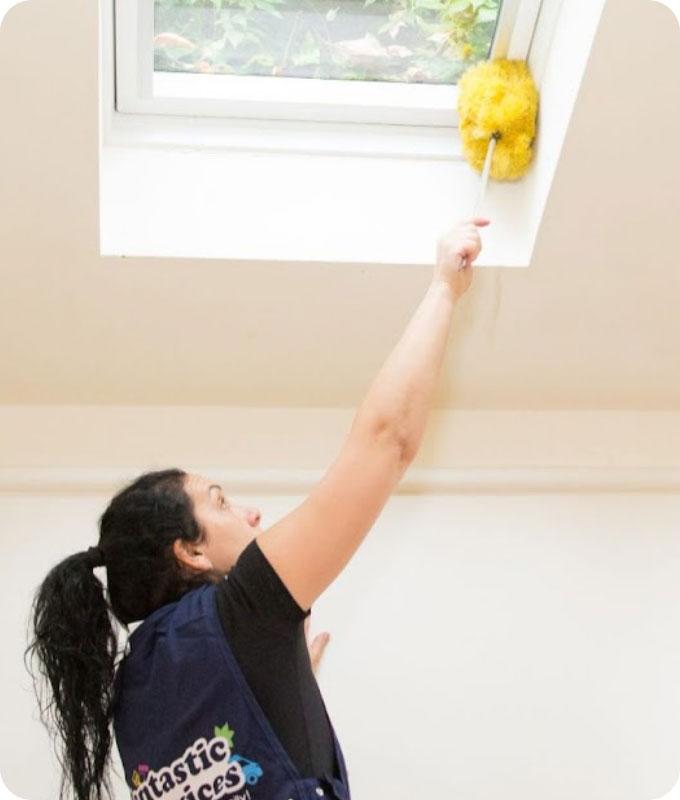
Rather than attempting everything every time, tasks are split into those done at every visit and those on rotation. Kitchen, bathrooms, floors and high-touch surfaces recur weekly. Skirtings, internal doors, the inside of a microwave, window sills, the fridge and under beds move around a four-week cycle, so each is done regularly without any single visit collapsing under the load. Writing that cycle down is what stops the same three rooms being done well and the rest drifting.
Chalk water in a Hertfordshire kitchen
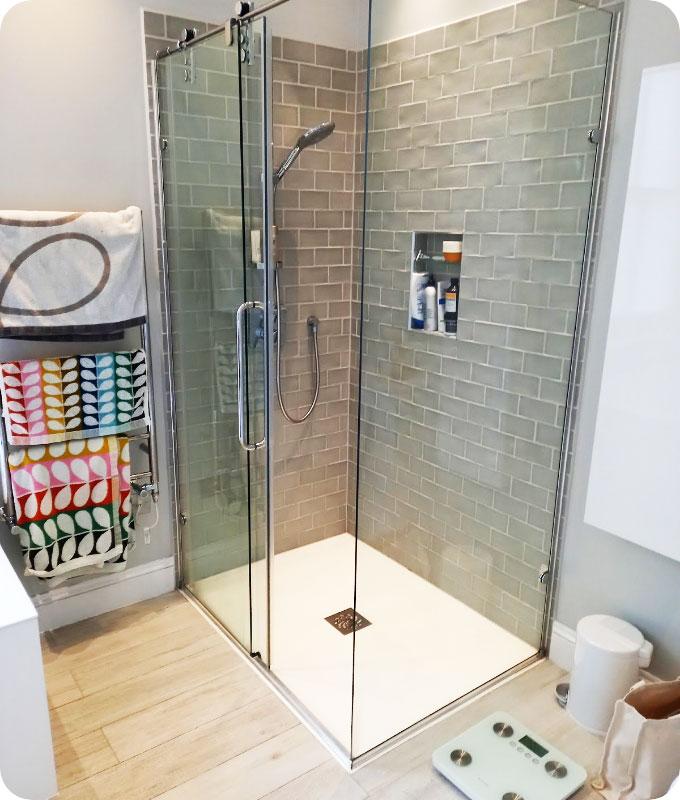
Supply across this part of the county comes from chalk aquifer and it is hard. Kettles fur, dishwasher spray arms block at the jets, and the glass in a shower enclosure loses clarity within months. A routine visit handles that by drying surfaces rather than only cleaning them, and by descaling the kettle and the shower head on rotation instead of waiting for either to stop working. Mineral streaking on taps is prevented by a dry buff at the end, which costs seconds.
When a house needs a reset instead
Regular cleaning maintains a standard; it does not create one. A house that has gone a year or more without proper attention has backlog — oven, extractor filters, inside of windows, grout, high-level dust — that a maintenance visit will never catch up on while also doing the weekly work. The usual approach is one long session to clear that ground, of the sort described under local specialists, followed by a routine sized to hold it.
Flats that change hands every year
A large share of the flats close to the station are let and re-let annually, and tenants often keep a fortnightly cleaner through the tenancy and then discover that the check-out standard is something else entirely. Deposit disputes turn on the inventory photographs taken at check-in, which cover appliance interiors, window tracks and the tops of doors. That end-of-tenancy specification is priced by property size and handled through local end of tenancy cleaning across Watford, separately from any ongoing arrangement.
Dust that arrives with building work
Side returns, loft conversions and knocked-through ground floors are common here, and plaster and brick dust from that work behaves nothing like household dust. It is alkaline, extremely fine, and it keeps reappearing for weeks as it works out of carpet and floor voids. A regular cleaner has no business trying to absorb it into a normal visit; the extraction and filtration required belong to the service in full, after which the routine can resume.
Keys, access and the practical side
Most regular arrangements run without anyone at home, which means a key, an alarm code and somewhere obvious to leave a note. Parking matters more than people expect: permit-only streets around the centre need a visitor permit arranged in advance or a slot chosen when restrictions have lifted. Rates are set by the hour, with frequency affecting the rate, and the cycle of rotating tasks is agreed at the start. The service in its general form is described on our nationwide service.








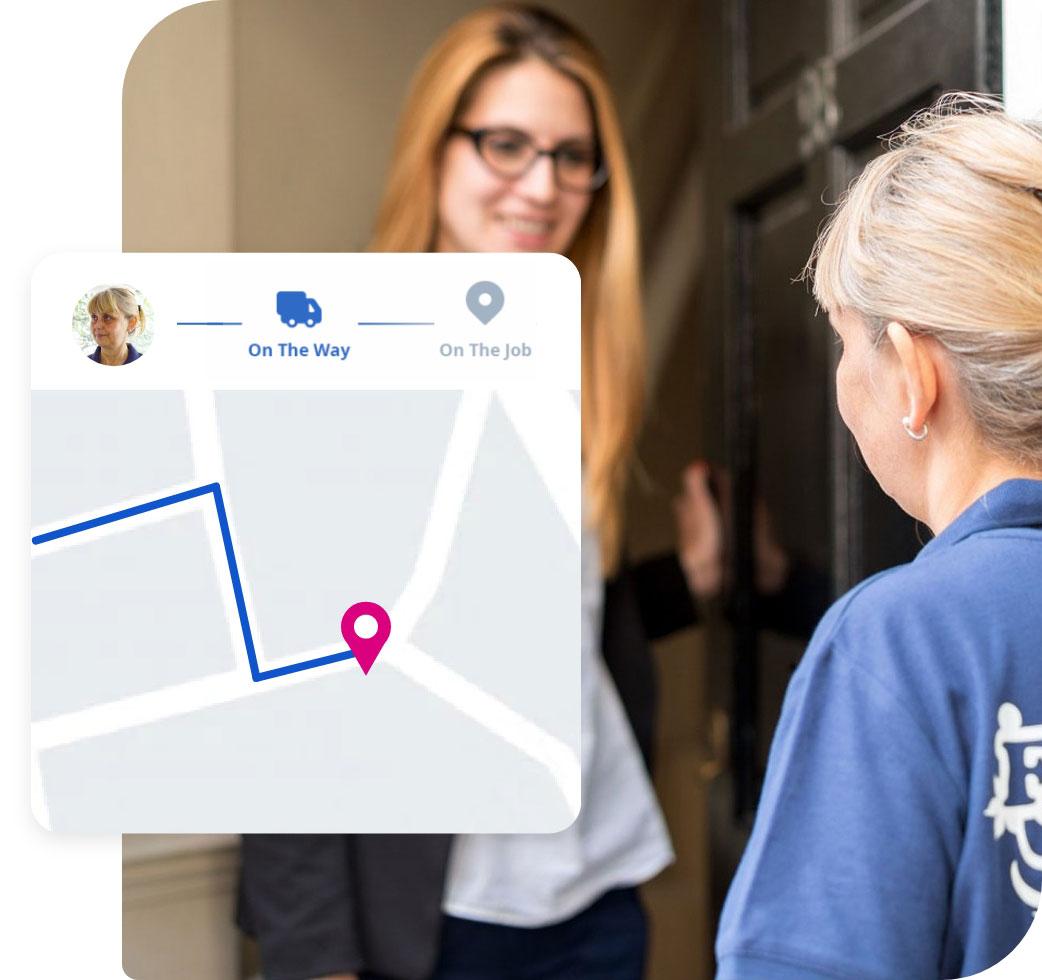
 Get the app












