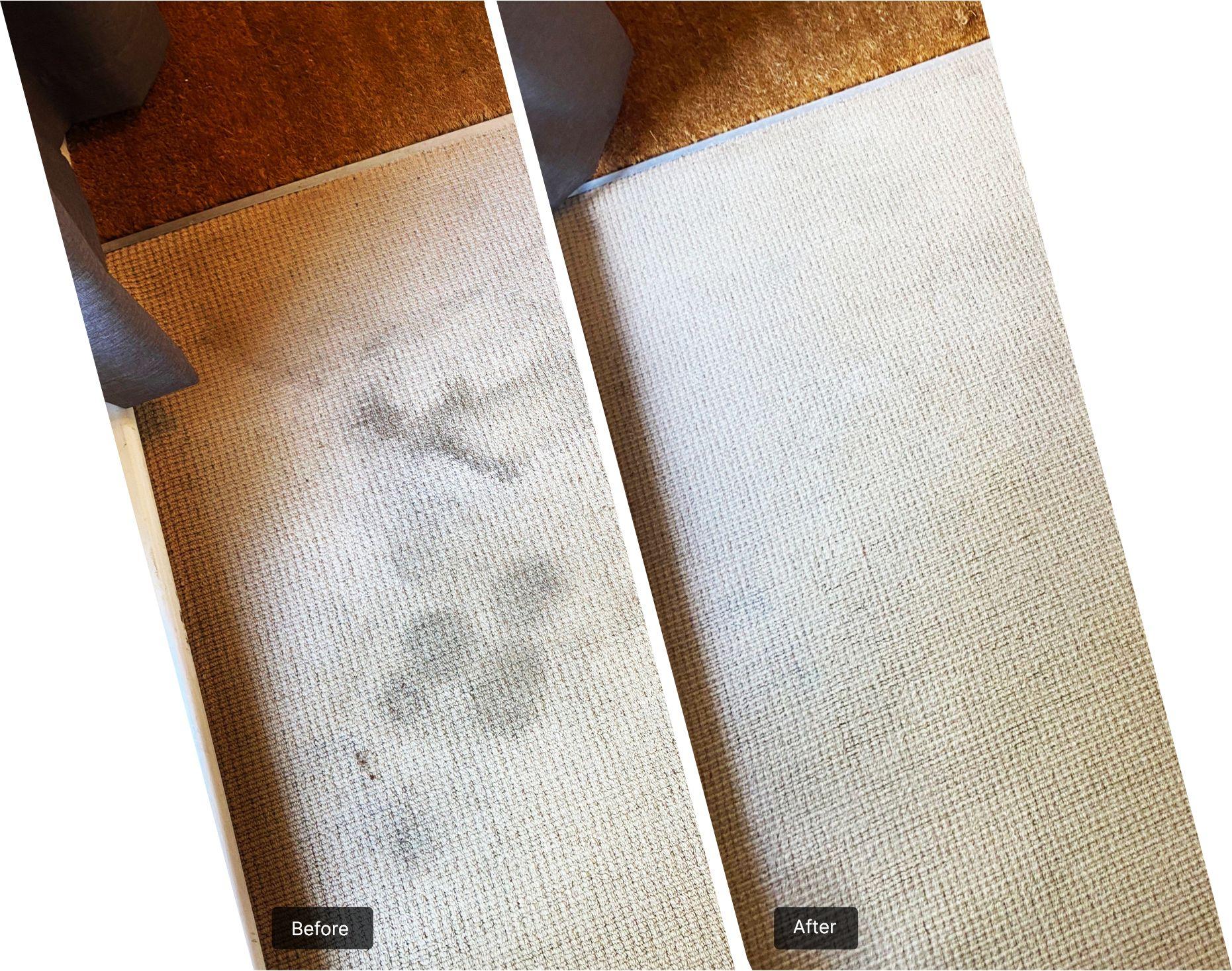
The hallway of a late-Victorian terrace is a difficult piece of floor. It is long, narrow, usually the darkest part of the house, and it carries every single person who comes through the front door along a strip barely a metre wide. In the grid of terraces across Hither Green the layout repeats street after street, and so does the pattern of wear: a clean margin at the edges and a dull, compacted channel down the middle.
Why a narrow hall wears in a channel
Traffic that cannot spread out concentrates. The same tufts are crushed and released thousands of times a week, and the twist that gives the yarn its bounce slowly relaxes. Once that has happened the strip reflects light differently from the untouched edges even when it is perfectly clean. Restoring colour is achievable; restoring bounce is partly achievable with grooming; restoring lost twist is not.
The first metre inside the front door
Terraces of this age open straight onto the pavement with no porch and no room for a proper matting well, so grit arrives directly on the pile. A heavy, low-profile mat that the door clears is the single most useful thing in the house, and it needs to be long enough for both feet to land on it. Beyond that first metre, soil drops off sharply, which is why the rest of the hall usually cleans up better than its appearance suggests.
Sub-floor voids and dust from below
Suspended timber floors over ventilated voids draw air upwards through the gaps between boards whenever the house is warmer than the crawl space. That air carries fine dust which the carpet filters out, leaving grey lines that follow the joints in the boards underneath. Sealing board gaps deals with the cause; cleaning deals with the symptom, and the two together are what stop the lines returning within months. Construction notes covering backings and underlay are collected on our main service page.
Runners, stair rods and loose-laid pieces
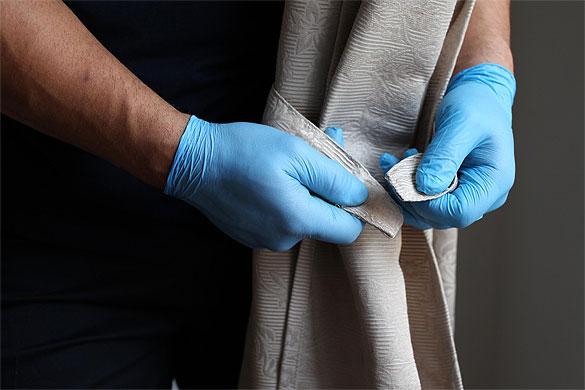
Plenty of houses here have a runner over boards rather than a fitted floor. Those get lifted, both faces dusted and the timber underneath vacuumed before the runner is treated, because anything left on the boards works straight back into the underside. Fringed or bound edges are cleaned by hand, and rods or grippers are checked for sharp edges that have started to abrade the backing.
Doorways, thresholds and the rooms either side
Where hall carpet meets a room, the threshold strip collects grit that gets kicked over it, and the pile on both sides frays against the metal edge. Cleaning stops at a threshold unless the adjoining rooms are treated too, which leaves a visible line, so halls and reception rooms are normally quoted together. Regular housework alongside the floors is arranged through Hither Green domestic cleaning services, and everything else offered in the area is grouped under cleaning services specialists in Hither Green.
Boards beneath, and owners who want them back
A fair number of households here eventually lift the hall carpet to expose the original boards, and the state of what is underneath decides whether that is a weekend job or a project. Tack strips leave a line of holes at the perimeter, old bitumen adhesive from a previous covering can be stubborn, and boards that have been cut for pipework are rarely a matched set. It is worth lifting a corner and looking before committing, because a hall that turns out to need new boards will cost far more than cleaning the carpet that is already there.
How the visit is organised
Halls, stairs and landings are quoted as a combination because they are cleaned as one continuous piece of work, and rooms are priced by measured area. Coats, shoes and anything standing along the hall want moving beforehand, since the strip has to be worked in unbroken passes rather than around obstacles. The neighbouring round takes in flexible carpet cleaning services in Lewisham on other days, and tenancy handovers nearby are covered by experienced check-out cleaning in Lewisham.