Between the middle of November and the end of February a small SW4 garden has almost nothing to look at, and most of what is planted in it was chosen for June. The plants that fill that gap are not evergreens but the ones grown for their bark: the dogwoods, willows and white-stemmed brambles whose young wood is scarlet, orange, olive or chalk-white against a dark fence. They only work if they are cut hard every year, and the cutting is a technique in its own right rather than general pruning.
What stooling actually means
Stooling, or coppicing on a garden scale, is cutting a plant back to a low permanent stump each year so that it responds with a mass of vigorous new shoots. The colour lives in that first-year wood. By the second year it has dulled, and by the third the stem is grey and thickening, which is why an uncut dogwood in a front garden looks nothing like the pictures. The stump itself rises slowly over the years, and that is normal; it is not a sign that anything has gone wrong.
Which plants take it
The red and black-stemmed dogwoods, the ornamental willows, the white-stemmed brambles and the smoke bush all respond. So do several plants cut not for stems but for foliage, where hard annual pruning produces leaves two or three times normal size: purple-leaved elder, catalpa, paulownia and the shrubby eucalyptus among them. What they have in common is the ability to break freely from a stump, which most garden shrubs cannot do, and that is the line between this technique and simply wrecking a plant.
The date matters at both ends
The cut is made in March, not in autumn. Cutting in November throws away the entire display for the sake of tidiness, and it also removes the protection the old stems give the crown through the coldest months. Leaving it until May is worse, because the plant has already spent stored energy pushing out growth that is then removed. The stems are taken down to two or three buds above the previous cut with a clean sloping cut, using loppers or a pruning saw on anything thicker than a finger.
All of it, or a third at a time
A whole plant cut at once gives the best colour the following winter, at the price of a gap where it stood from March until midsummer. In a small garden the better approach is to take out a third of the stems each year on a rotation, oldest first, which keeps a permanent presence and still guarantees that most of the wood on show is young. The habitat pile of cut stems tucked behind a shed is useful in a large plot but is dry, undisturbed shelter close to a building in a small one, and anything that moves from there into the house is a matter for trusted bed bug treatment in Clapham.
What the plant needs in return
An annual hard cut is a serious demand, and a plant asked to rebuild a metre of growth in a season needs the resources to do it. A mulch of compost over moist ground in early spring, a general feed at the same time and water through the first dry spell are what separate a thicket of strong stems from a handful of weak ones. Ground that stays waterlogged in winter suits the willows and most of the dogwoods well; the smoke bush and the eucalyptus want the opposite.
Using the season the work happens in
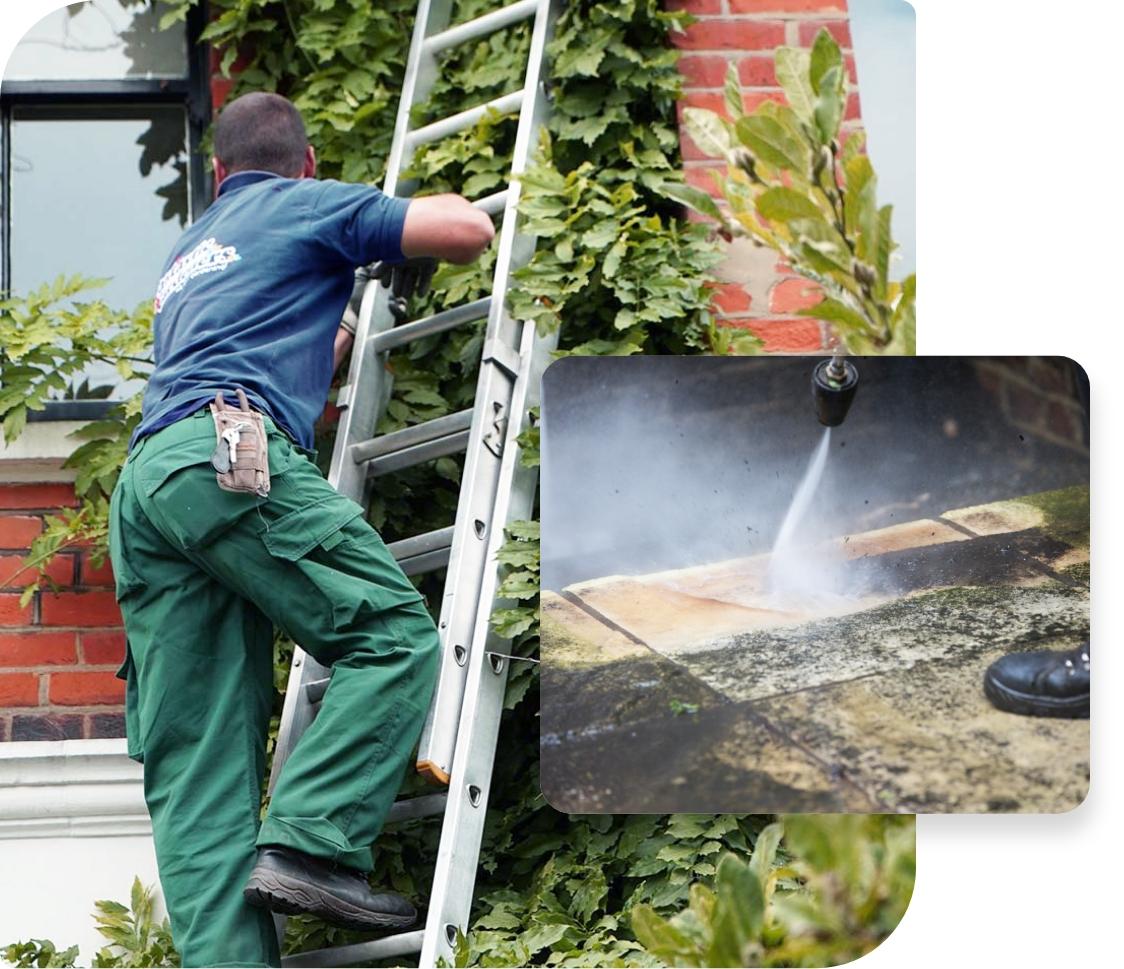
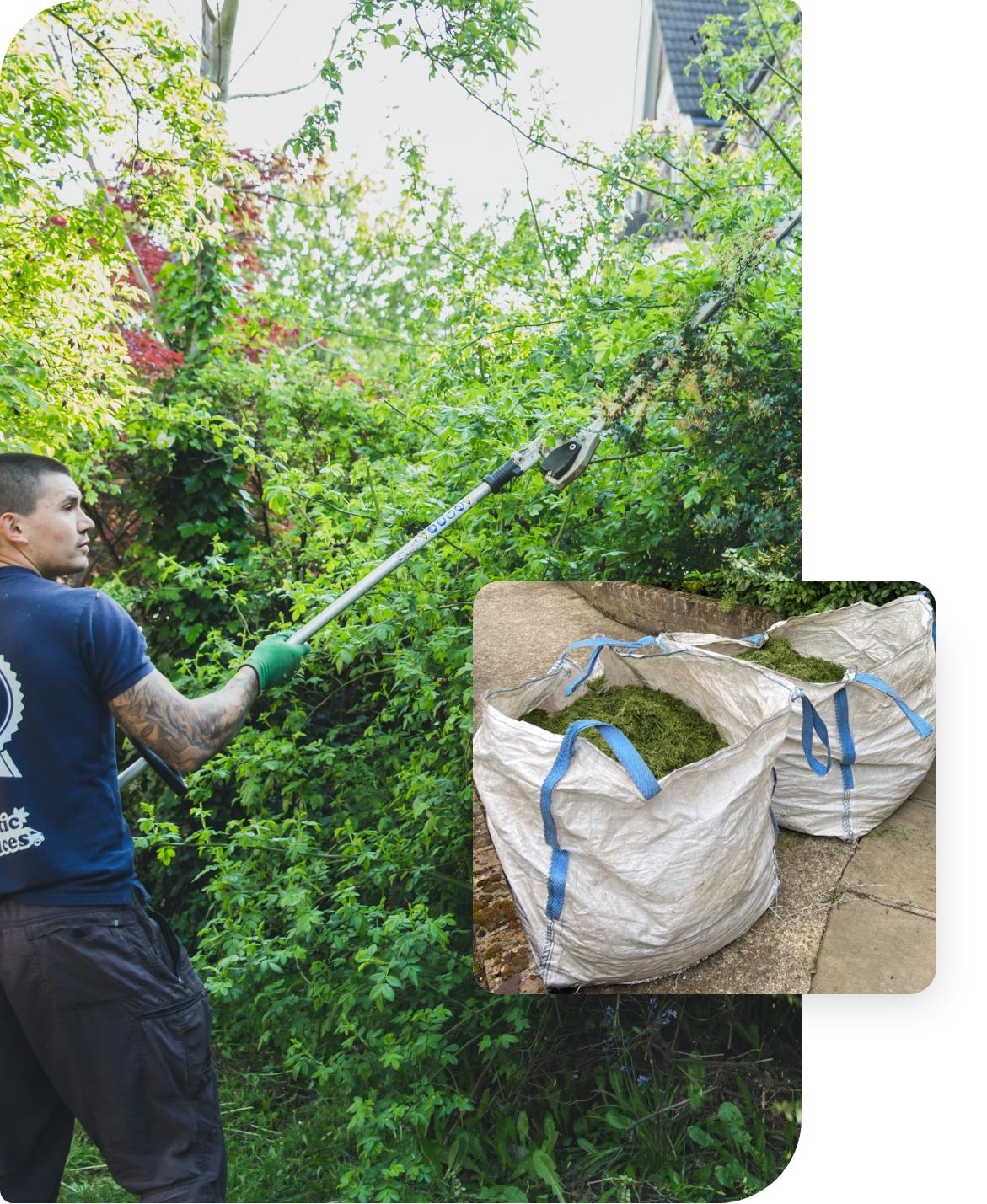
The weeks when these plants are cut are the easiest of the year to get other things done, because the borders are bare and everything is reachable. Hard surfaces that have been under planting all summer are cleaned most easily then, which is work for professional pressure washing in Clapham, and it is the right moment for any structural pruning elsewhere. The cut stems themselves are light but extremely bulky, and a garden with a run of dogwood fills a vehicle surprisingly quickly, so removal is arranged through man and van across South London.
Fitting it into the year
This is a single annual visit of an hour or two for most gardens, quoted by duration, and best booked for March rather than left to be fitted in whenever the first tidy-up happens. It sits naturally alongside the rest of the late-winter work, and the same round elsewhere in south-west London is covered by gardening for flats in Fulham. How seasonal visits are organised through the year is set out on Fantastic Services.