Two days is a normal gap between one tenancy ending and the next beginning in Fleet, and in a strong lettings market it is often less. Everything that has to happen to a property has to happen inside that window: inspection, cleaning, any repairs, carpets, sometimes decorating. Fitting those into the right order is what decides whether the incoming tenant walks into a finished flat or one that still smells of paint and has a damp carpet drying in the hall.
Sequencing a short void
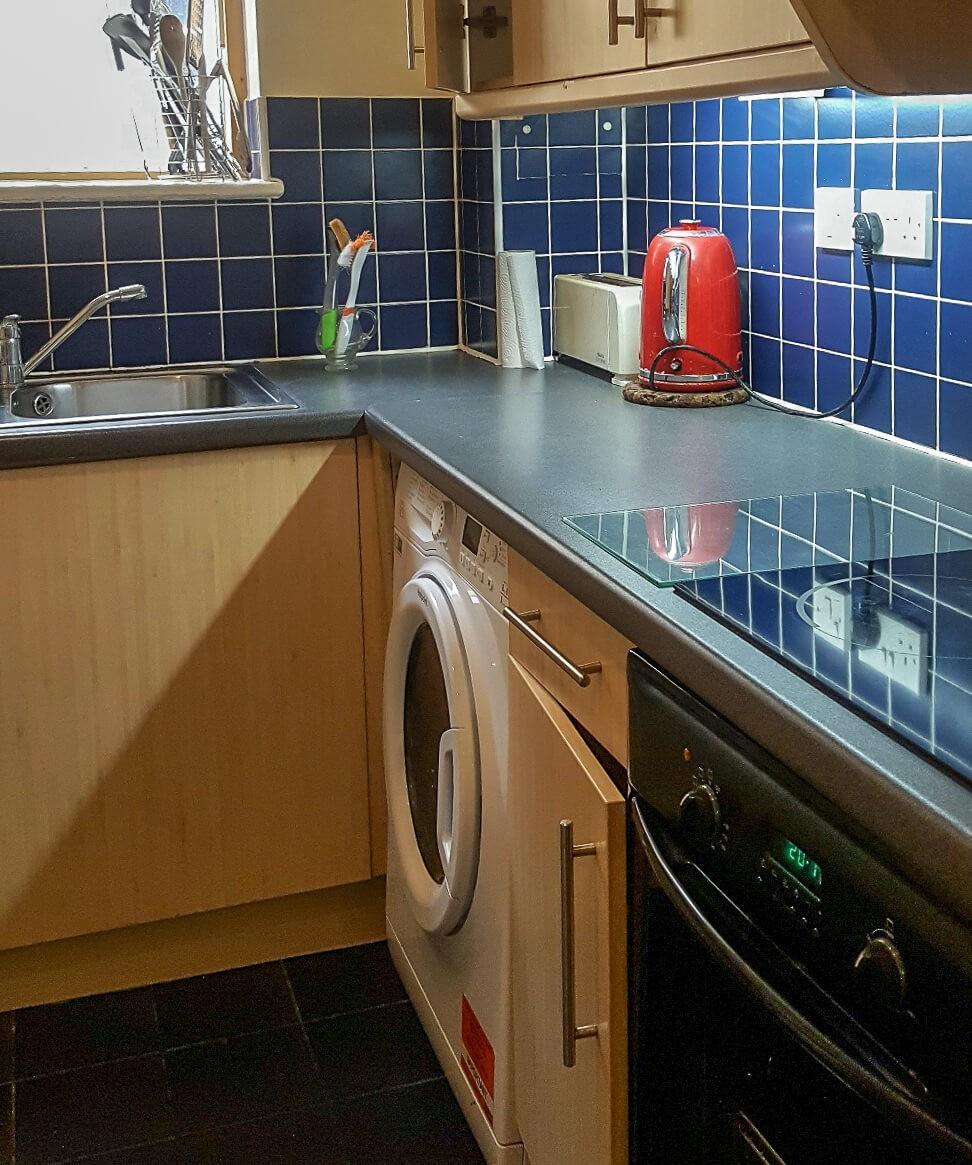
The rule is simple and constantly broken: anything that creates dust, debris or overspray happens before the clean, never after. A handyman refitting a shower rail, a decorator touching in a hallway, a fitter replacing a worktop - each of them leaves a residue that lands on surfaces already finished. Cleaning is the last trade through the door apart from carpets, which need to come last of all because they need drying time and because a cleaning team walking over a damp pile undoes the work. A cooker strip is the one task that runs alongside everything else, since racks and trays are treated in the van rather than in the room, which is why oven cleaning for rented homes in Yateley slots into a tight void without extending it.
Why carpets are booked to the end
Hot-water extraction leaves fibre damp for several hours, longer in a flat with limited ventilation or in cold weather. Anything walked across it in that period re-soils it, and furniture placed on it will mark. Scheduling carpet cleaning for rented homes in Fleet as the final appointment, with windows opened and air movers running afterwards, is the difference between a carpet that dries clean and one that wicks stains back to the surface overnight as moisture rises through the backing.
Apartment blocks, bins and water
The newer blocks around the town centre bring their own constraints. Communal bin stores are for household waste, not for the contents of a flat, and a team cannot leave bulky items there. Water has to come from inside the flat, so a stopcock turned off by a departing tenant stalls everything. Access is usually through a managed entrance with an intercom or a fob, and someone has to be able to grant that access at the agreed hour rather than an hour later.
Balconies and the glass line
Modern flats are heavily glazed, and glass is the surface an inspection reads first because it shows every mark in daylight. Internal faces are cleaned, frames and the drainage channels in the bottom of the frame are cleared, and the rubber gaskets wiped rather than skipped. Balcony floors collect grit and birdlime that stain if left; they are swept and washed, though external faces above ground level are outside the scope of a tenancy clean for access reasons.
Keys, access and the hour of the inspection
A clean finishing at four is no use if the clerk is booked for two. Working backwards from the inspection time, rather than forwards from when the tenant moves out, is what keeps the day intact. Where the property is managed, key collection and return need arranging with the office in advance, because an agent closing at five sets a hard edge on the day. Scheduling follows a similar logic on jobs covered by Sandhurst check-out cleaning.
How the work is costed
The price follows property size and the number of bathrooms rather than hours worked, with extras such as cooker stripping, internal window work or upholstery priced separately. That structure exists because the job is a defined list, and a list finished early is still finished. A cooker left in poor condition can add materially to the time, so it is better declared than discovered. The national description of our national end of tenancy cleaning service sets out the standard list, and ongoing domestic work in the same property afterwards falls under fully insured house cleaning in Fleet. Where a property has a range cooker or a second oven, flagging it at the point of booking avoids a mid-job conversation.