Sand travels. It comes in on shoes, in bags, in the folds of towels and the turn-ups of trousers, and it works its way to the lowest, tightest part of every room it reaches. In BS23 that means a move-out clean starts with a question nobody asks in an inland town: where has the sand collected, and can it be got out without wetting it first?
The places grit settles and stays
Sliding door tracks, the channel under a patio door, the rebate of a window frame, the seam where a carpet meets a threshold strip, plugholes, the crevices of an upholstered sofa base and the runner of a built-in wardrobe. Every one of those is a place where a damp cloth turns a dry, extractable deposit into a paste that smears and sets. The order is therefore fixed: vacuum with a crevice tool everywhere grit can accumulate, brush out the tracks dry, and only then introduce moisture.
Salt, sea air and the metalwork it finds
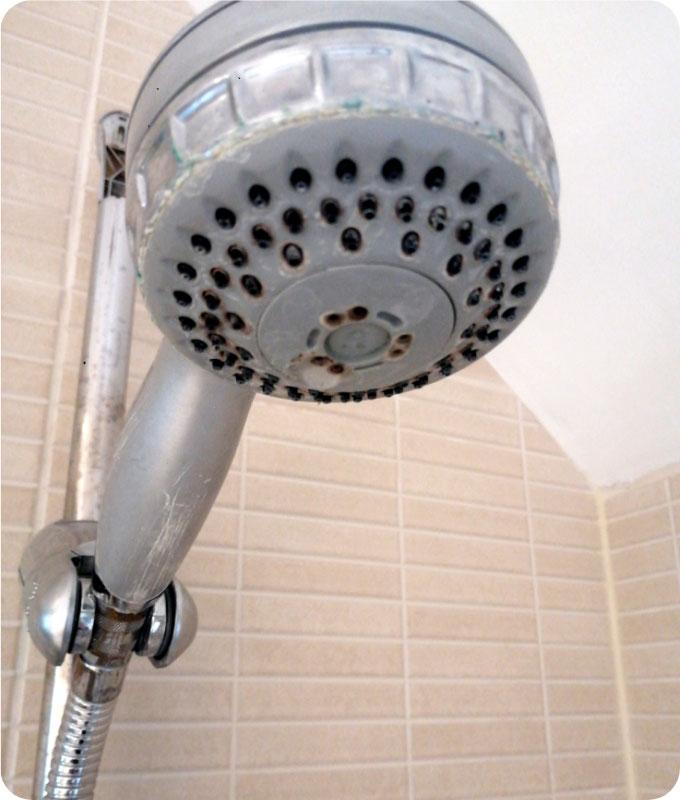
Properties near the front collect a saline film on everything outside and on a good deal inside, especially where windows are opened to a prevailing wind. It corrodes hinges, catches, shower rails and the underside of extractor grilles, and it leaves a dull bloom on stainless surfaces that reads as poor cleaning when it is really surface oxidation. Where the metal is pitted the mark is permanent, and it is better identified at the start of the visit than disputed at the end of it.
Holiday flats, short lets and a different standard
A large part of the local stock turns over far more often than a standard tenancy, sometimes weekly through the season. A changeover clean and an end-of-tenancy clean are not the same product: the first is a fast reset of an occupied, furnished property, the second is a full strip of an empty one, working through ovens, extractors, inside cupboards, behind appliances and into every fixture. Confusing the two is the most common reason a property fails inspection at the end of a long let — it has had forty quick resets and no deep clean.
Furnished properties and soft surfaces
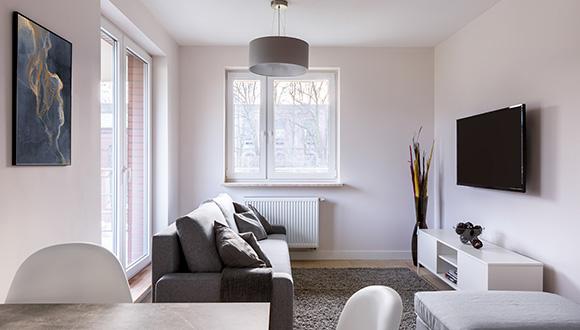
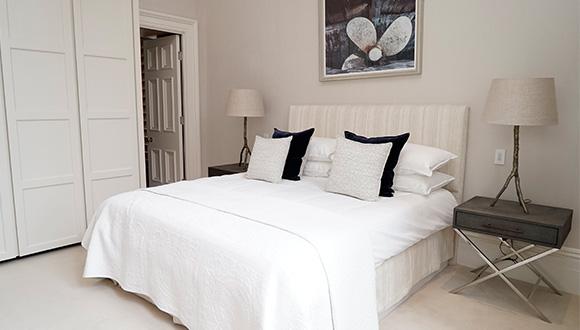
Where a let comes with beds, sofas and curtains, the schedule includes them. Mattresses are vacuumed and turned, bases and headboards done underneath, sofa cushions lifted and the frame cleared of the sand and crumbs that gather in the well. Curtains and blinds hold dust in the pleats and salt near an open window, and slatted blinds take longer than anything else of comparable size. None of it is difficult work, but it consumes hours that a room count alone will not predict.
Kitchens in seaside flats
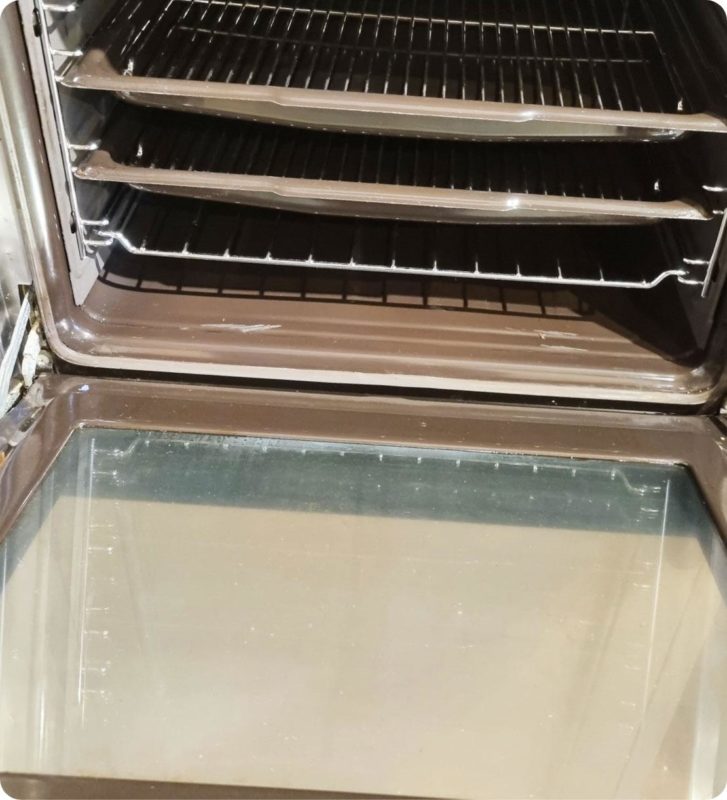
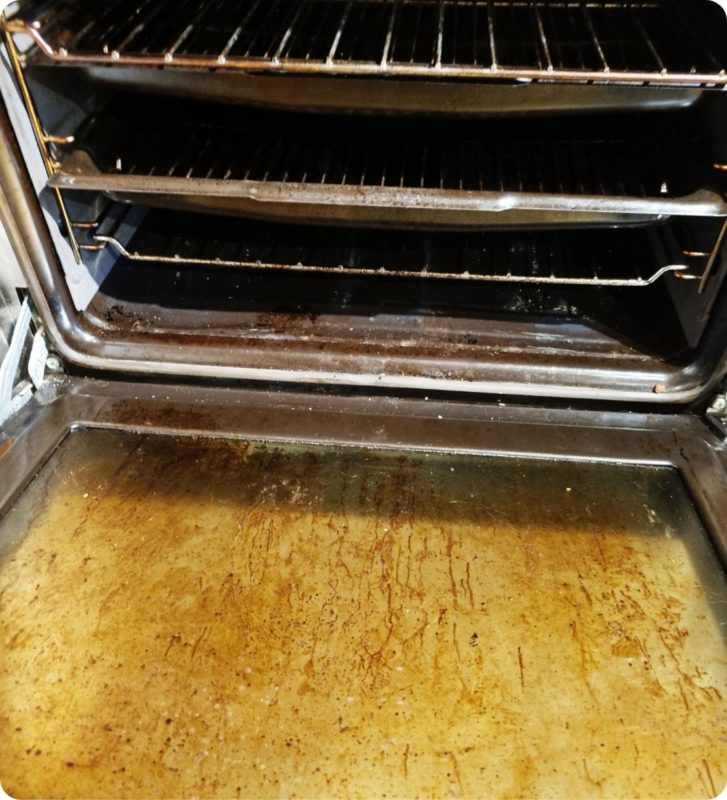
Small galley kitchens in converted houses take a heavy load relative to their size, and the cooker is usually the worst item in the property by a wide margin. Baked-on deposit does not respond to a surface clean; it needs the removable parts taken out, treated separately and given real contact time, which is why oven cleaning services across Bristol is scoped as a job in its own right rather than folded into the general work.
Floors, rugs and what follows the dry work
Once the grit is out, carpet responds well, and the improvement is dramatic precisely because most of the damage in coastal properties is abrasive rather than staining. Extraction and pile treatment sit outside the standard schedule and are quoted independently, as explained under experienced carpet cleaning in Weston-super-Mare. Through the season, keeping on top of the sand with a regular arrangement of the kind described on cleaning services throughout Weston-super-Mare reduces both the wear and the final bill.
Practical arrangements on the day
The property should be empty of belongings with power and hot water connected, and it helps if outside spaces have been cleared, since balconies and yards hold blown sand that walks straight back inside. Charging follows property size and the number of bathrooms, with the oven and any soft furnishings itemised separately. Comparable work along the coast is described on fully insured pre-tenancy cleaning in Clevedon, and the standard applied throughout is set out on what the service covers.