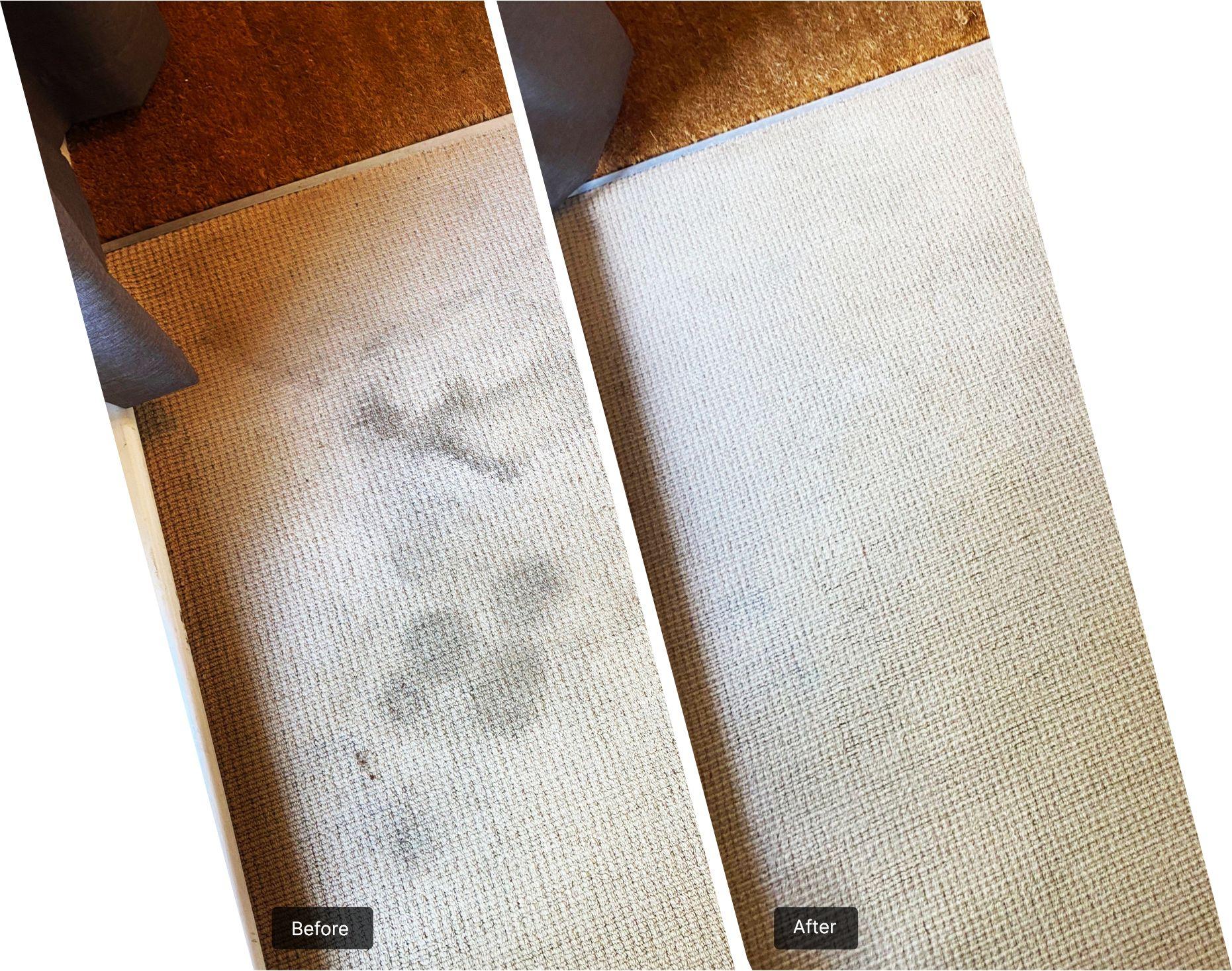
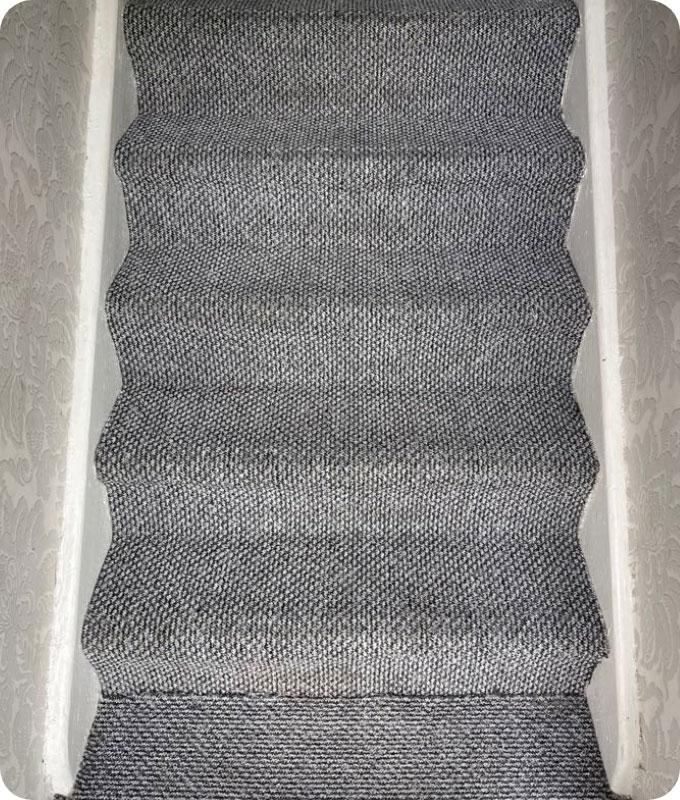
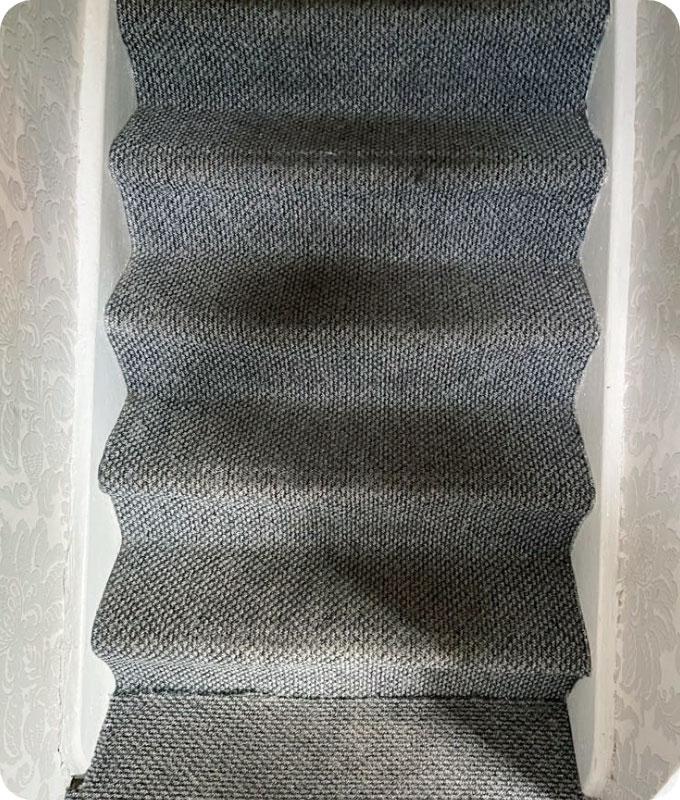
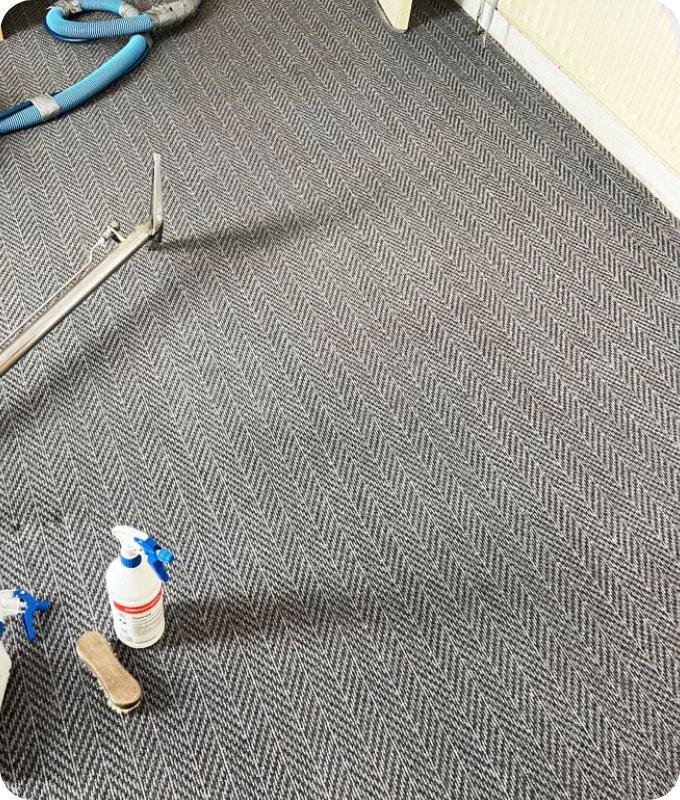
Sea air changes the arithmetic of carpet cleaning. Relative humidity on the Severn estuary stays high for much of the year, and a carpet dries by giving up moisture to the air around it — so when that air is already close to saturated, evaporation slows to a fraction of its inland rate. A job that would be dry by mid-afternoon in a dry inland town can still be damp the next morning in a BS21 seafront house, and planning for that is the difference between a good result and a musty back room.
Humid air will not take the moisture
The physics is unforgiving. Air at high relative humidity cannot absorb much more water vapour regardless of how much air is moved across a surface, which means the standard advice to open the windows can actually make things worse on a still, damp day by bringing saturated air indoors. Judging whether ventilation will help on a particular afternoon is a question of what the air outside is doing, not a fixed rule.
Solid walls, cold rooms and the edges of the floor
Much of the older housing here is solid-walled with no cavity, and the coldest surface in a room is often the external wall at skirting level. Moisture condenses there first, which is why carpet edges against outside walls in these properties are frequently damp before anyone cleans them and why they are the last part of a floor to dry afterwards. Checking those edges with a meter before starting saves attributing a pre-existing problem to the visit.
Dehumidification is part of the work, not an extra
Where ambient conditions will not do the drying, a dehumidifier running in a closed room does. It removes water vapour from the air so that evaporation from the carpet can continue, and it works precisely because the room is shut rather than ventilated. Low-moisture methods that put less water in to begin with are the other half of the answer. How the two approaches trade off is explained on carpet and rug cleaning services nationwide.
Salt in the fibre
Coastal properties accumulate airborne salt, and salt is hygroscopic: it pulls moisture from the air and holds it. A carpet carrying a salt load near an entrance or a seaward window can feel persistently cool and slightly damp regardless of the weather, and can develop a recurring musty smell that returns after cleaning. Thorough flushing and rinsing removes the salt along with the soil. The sandier coastline a few miles down, covered by carpet cleaning cover across Weston-super-Mare, adds an abrasive mineral load to the same problem.
Carpet after building work in an old house
Refurbishing a Victorian seaside villa puts lime and gypsum fines into every carpet in the property, and damp conditions make the residue clump rather than disperse, so it sits stubbornly at the base of the pile. The floors come last, after the building clean, not alongside it. That whole-property stage is priced separately as Clevedon after builders cleaning service.
Preparing a property that sits empty part of the year
Second homes and seasonal lets are shut up for months, and a closed house with no heating and humid air outside grows mould on the underside of furniture and along carpet edges. Airing, heating on a low setting and periodic cleaning are the practical preventatives, and where nobody is local to do it a scheduled visit under professional cleaners services in Clevedon keeps the property in a condition worth arriving at.
Booking, timing and drying
Pricing is per room or by measured area with stairs itemised, and in this climate a realistic drying estimate is part of the quote rather than an afterthought. Morning appointments dry better than late-afternoon ones. Rooms need clearing of small items, and heavy furniture is best left off the carpet until the pile is properly dry rather than merely touch-dry. Tenancy handovers run to a tighter schedule and a defined standard, which is what experienced pre-tenancy cleaning in Bristol is set up around.